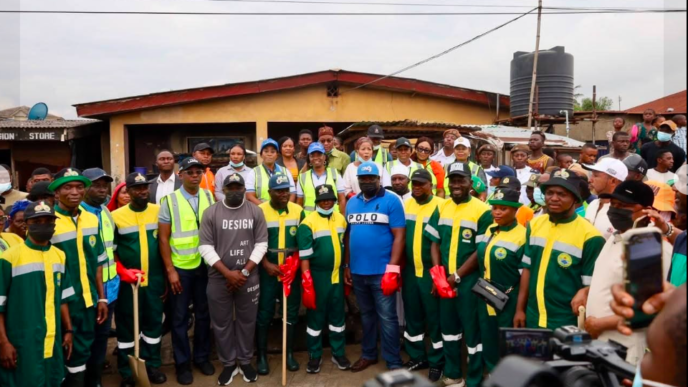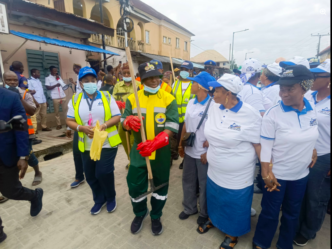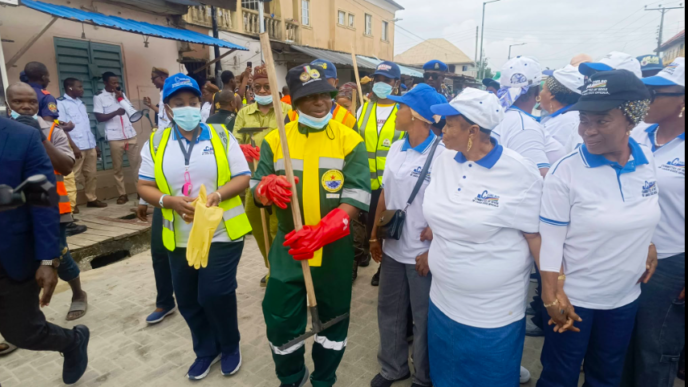
Residents of Ibeju-Lekki have been reminded to participate in the area’s monthly environmental sanitation exercise scheduled for Saturday, July 25, as part of efforts to promote a cleaner, healthier, and more sustainable environment.
Epe Insights reports that the sanitation exercise will take place from 6:30 a.m. to 8:30 a.m., with residents encouraged to dedicate the two-hour period to cleaning their homes, business premises, streets, and surrounding neighbourhoods.
The monthly exercise remains one of the environmental initiatives designed to improve public health, prevent flooding, and encourage residents to take collective responsibility for maintaining a clean environment.
Community leaders and environmental officials have urged residents to actively participate by sweeping their surroundings, removing refuse, clearing blocked drainage channels, and ensuring proper waste disposal.
Residents have also been advised to bag their household waste securely before handing it over to their designated Private Sector Participation (PSP) waste operators for safe collection and disposal.
Authorities stressed that proper waste management remains essential to keeping streets clean and preventing indiscriminate dumping that often contributes to environmental pollution.
The exercise is expected to improve sanitation across communities while reducing the accumulation of waste that can obstruct drainage systems, especially during the rainy season.
Environmental experts have consistently noted that blocked drains are among the leading causes of flooding in many urban communities, making regular sanitation exercises important for protecting lives and property.
Officials explained that maintaining clean drainage channels allows rainwater to flow freely, thereby reducing the risk of flooding and improving the overall condition of public infrastructure.
Residents were also encouraged to remove weeds, trim overgrown vegetation around their homes, and eliminate stagnant water that could serve as breeding grounds for mosquitoes and other disease-carrying insects.

Public health advocates believe that routine sanitation activities contribute significantly to reducing the spread of communicable diseases and improving the quality of life within communities.
The environmental sanitation programme also seeks to strengthen public awareness about personal hygiene, responsible waste disposal, and environmental conservation.
Authorities reiterated that creating a cleaner community is a shared responsibility that requires the cooperation of every resident, business owner, and stakeholder.
They noted that while government agencies continue to implement environmental policies and provide waste management services, community participation remains critical to achieving lasting results.
Residents were reminded to avoid dumping refuse into canals, drainage channels, road medians, or undeveloped plots, as such practices undermine ongoing environmental improvement efforts.
Instead, households and businesses were advised to make use of their assigned PSP operators to ensure waste is collected and disposed of in line with approved environmental standards.
The monthly sanitation exercise also serves as an opportunity for neighbourhoods to strengthen community spirit through collective action aimed at improving the environment.
Stakeholders believe that regular environmental sanitation enhances the appearance of communities, supports public safety, and contributes to healthier living conditions for residents.
As Ibeju-Lekki continues to experience rapid residential, commercial, and industrial growth, environmental sustainability has become increasingly important in preserving the area’s appeal and supporting long-term development.
Officials expressed confidence that consistent participation in the sanitation exercise will help maintain cleaner streets, healthier neighbourhoods, and more resilient communities.
Residents were encouraged to make environmental cleanliness a daily habit rather than limiting it to the monthly sanitation exercise.
They also appealed to parents, youth groups, community associations, and market leaders to mobilise greater participation and promote environmental responsibility within their communities.
Authorities reaffirmed that collective action remains the most effective way to build a cleaner, healthier, and flood-resistant Ibeju-Lekki for current and future generations.
The July environmental sanitation exercise is expected to further strengthen ongoing efforts to create a more hygienic environment while encouraging residents to play an active role in safeguarding public health and protecting the environment.