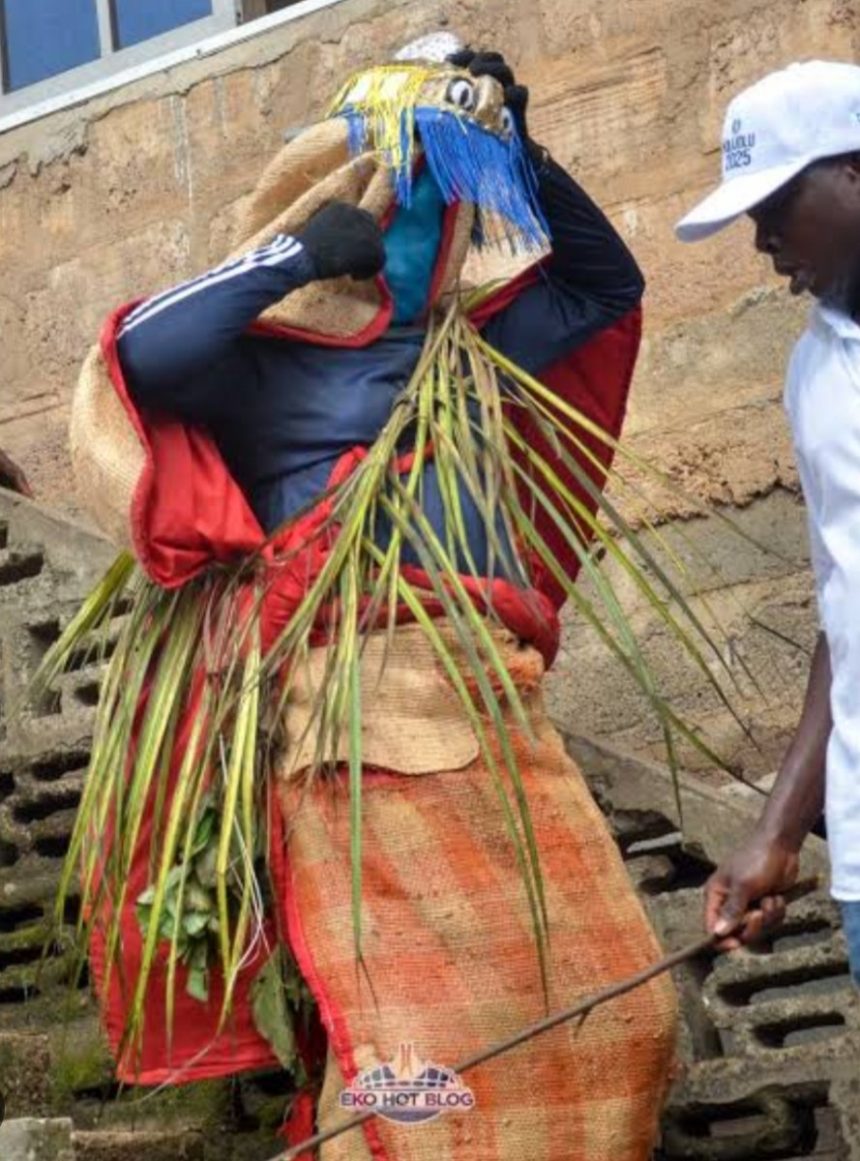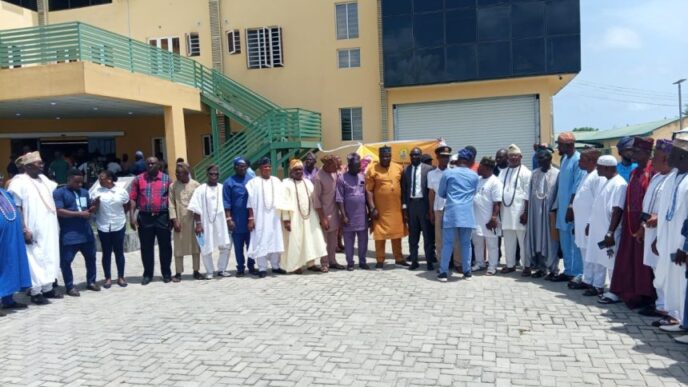
Epe Division in Lagos State continues to stand out for its rich cultural heritage expressed through vibrant traditional festivals. These festivals reflect the history, spirituality, and communal values of the people across its towns and kingdoms.
Epe Insights reports that festivals in communities such as Noforija, Poka, Odo Egiri, Odomola, Igbooye, and the wider Epe area remain central to cultural identity. The Kilajolu and Igodo festivals are widely observed as key traditional events promoting purification and unity.
These festivals are deeply spiritual in nature. They are often associated with cleansing rituals, communal prayers, and symbolic performances aimed at restoring peace and attracting prosperity to the land.
Participants in the Kilajolu and Igodo celebrations engage in traditional rites and processions. These activities reinforce communal bonds while preserving ancestral practices passed down through generations.
Another major cultural event in the division is the Okosi Festival. It is a water-based celebration closely linked to the riverine lifestyle of the people of Epe.
The festival reflects the strong relationship between the community and its surrounding water bodies. It highlights the importance of water in transportation, fishing, and daily livelihood.
During the Okosi Festival, prayers and offerings are made to water deities. These rites are performed to seek protection for fishermen and safe journeys on waterways.
The celebration also symbolizes abundance and continuity of life. It emphasizes the role of water as a source of sustenance and economic survival in the region.
In Odo Ayandelu, the Agemo and Oro festivals remain central to traditional worship and cultural expression. The Agemo masquerades are known for their sacred performances and symbolic dances.
The masquerades are believed to cleanse the land spiritually and invite divine blessings. Their presence is a key feature of Yoruba traditional belief systems in the area.
The Oro Festival, on the other hand, is marked by solemn and highly respected rites. It emphasizes discipline, cultural order, and spiritual purification within the community.
In Ladaba Kingdom, the Obaoluaye and Aje festivals highlight both spiritual reverence and economic aspirations. Obaoluaye is connected to ancestral respect and traditional authority.
The Aje Festival focuses on wealth, commerce, and prosperity. It is celebrated with prayers and offerings aimed at attracting financial growth and stability.
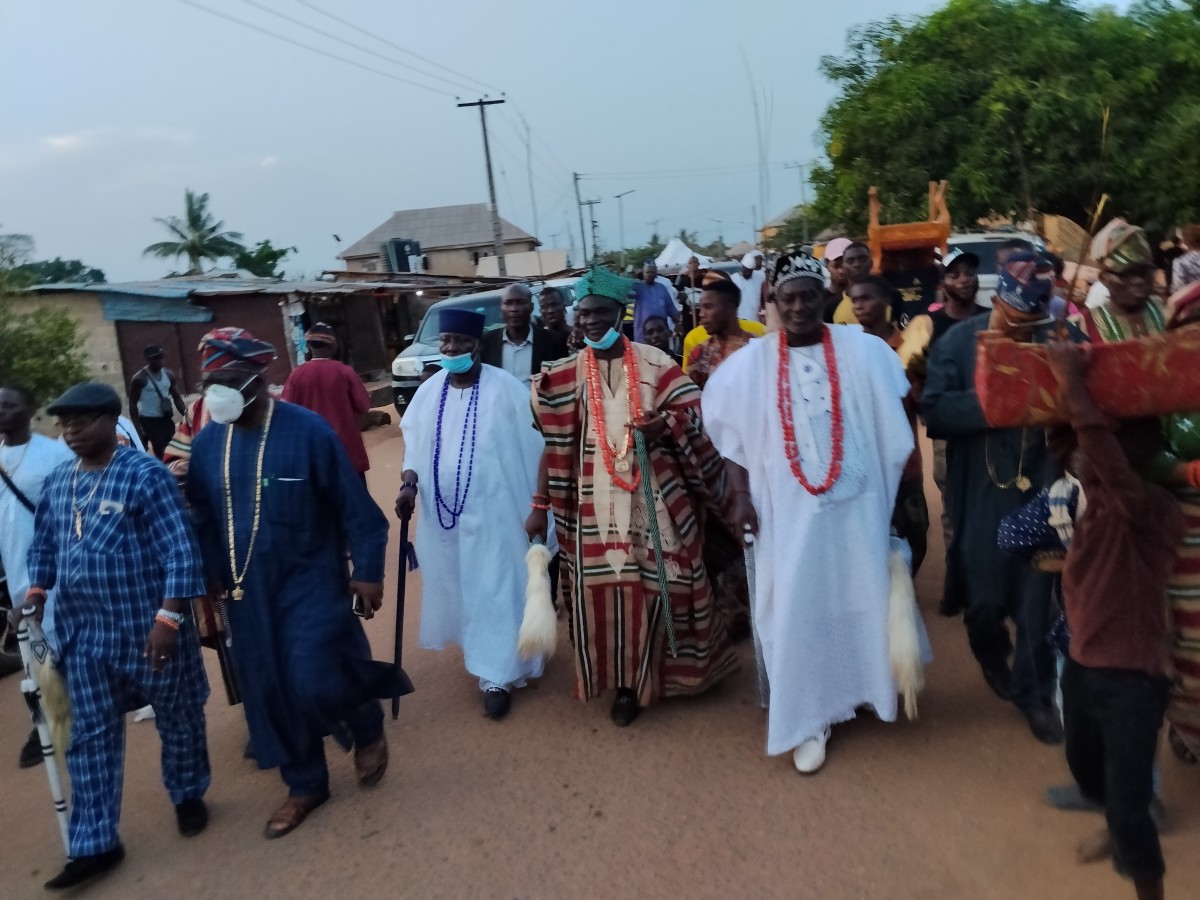
Across Epe Division, a unique tradition among monarchs is the careful scheduling of festivals. This allows royal fathers to attend and support each other’s celebrations.
This practice strengthens unity among traditional rulers. It also fosters cooperation, mutual respect, and peaceful coexistence among different kingdoms.
The festivals are marked by colourful cultural displays. These include masquerades, drumming, chanting, traditional attire, and elaborate rituals.
They also serve as homecoming events for indigenes living outside the community. Many return from across Nigeria and the diaspora to reconnect with their cultural roots.
Visitors and cultural enthusiasts also attend these festivals in large numbers. They come to experience the richness and diversity of Epe’s traditional heritage.
Beyond celebration, these festivals play an important educational role. They help preserve history, transmit values, and strengthen identity among younger generations.
They also remind the people that culture is a living heritage. It must be preserved, respected, and passed on to future generations.
In conclusion, the festivals of Epe Division—including Kilajolu, Igodo, Eebi, Okosi, Agemo, Oro, Obaoluaye, and Aje—remain powerful symbols of unity, spirituality, and cultural pride.