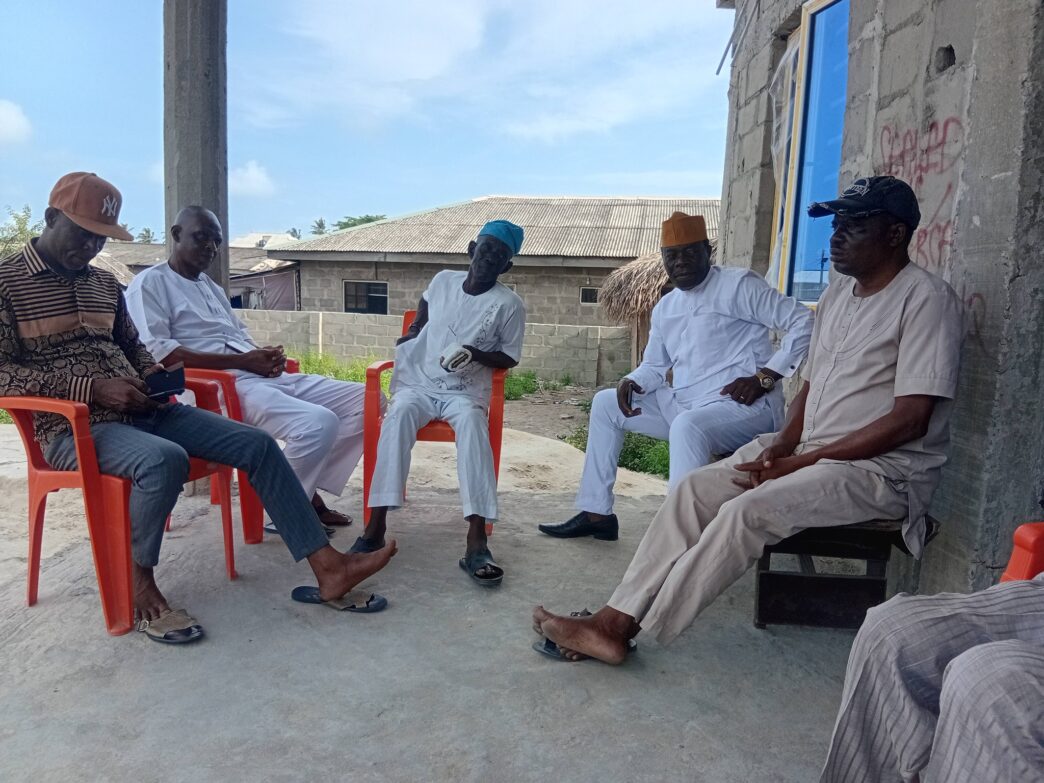
The Ibeju-Lekki Ancestral Communities Foundation has rejected proposed compensation plans tied to the Coastal Road corridor project, insisting on a total waiver of the 150-meter setback affecting ancestral lands.
Epe Insights reports that the affected communities opposed the planned enumeration survey for Project Affected Persons (PAPs), arguing that their ancestral heritage cannot be replaced through financial compensation.
The Foundation disclosed its position in a letter addressed to the Managing Director of Hitech Construction Company Limited following consultations with leaders and stakeholders across impacted communities.
According to the letter, the rejection followed deliberations after a Stakeholders’ Engagement on the Social and Resettlement Action Plan (SRAP) Workshop organized in relation to the project.
The statement, signed by the Foundation’s Coordinator, Comrade O.G. Adewale, emphasized that the ancestral lands along the Coastal Road corridor possess deep cultural, historical, and spiritual value.
The group maintained that such heritage cannot be adequately measured or exchanged through monetary compensation.
Community representatives insisted that their demand remains a total waiver from land acquisition rather than compensation payments for displaced persons.
The Foundation specifically rejected plans by Dynasmart Resources Limited to conduct an enumeration survey aimed at identifying affected persons for compensation purposes.
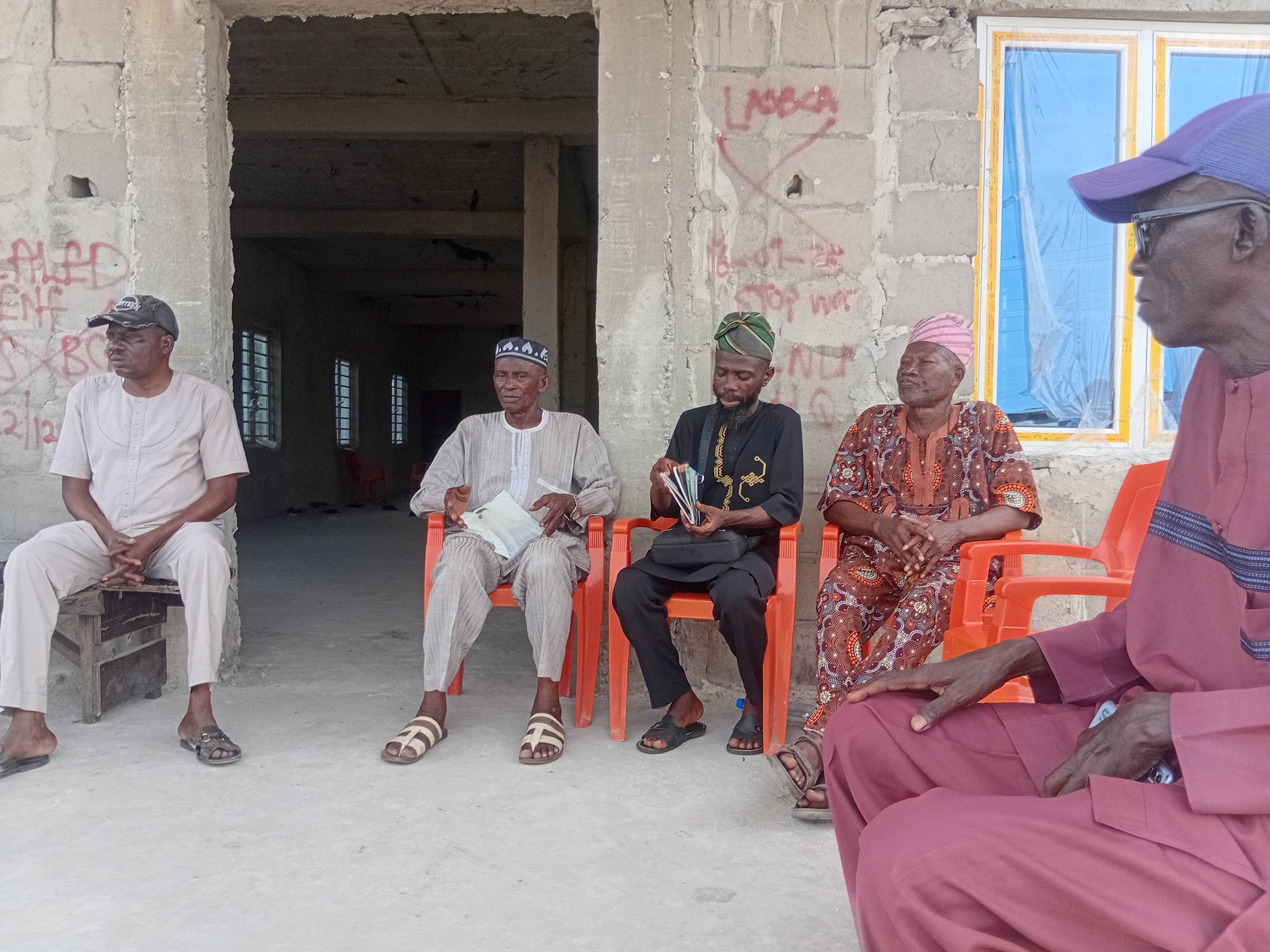
According to the group, the proposed exercise does not align with the collective position adopted by the affected ancestral communities.
Hitech Construction Company had earlier introduced Dynasmart Resources Limited during the SRAP Workshop as the consultant responsible for carrying out the enumeration process ahead of compensation disbursement.
However, community leaders argued that their preference is for dialogue centered on preserving ancestral heritage instead of negotiating financial settlements.
The Foundation called for a dedicated meeting involving Hitech Construction Company Limited, relevant government agencies, and representatives of the affected communities.
The proposed meeting, according to the group, would explore possible alternatives, including alignment adjustments and mitigation measures capable of protecting indigenous heritage sites.
Leaders of the communities stressed that development projects should not come at the expense of cultural identity and historical legacy.
They also emphasized the importance of balancing infrastructure development with the protection of indigenous rights and traditional settlements.
The Foundation acknowledged Hitech Construction’s efforts at stakeholder engagement but urged the company and government authorities to give serious attention to the concerns raised by local communities.
The group further referenced global best practices regarding involuntary resettlement and indigenous peoples’ rights, calling for adherence to internationally accepted standards.
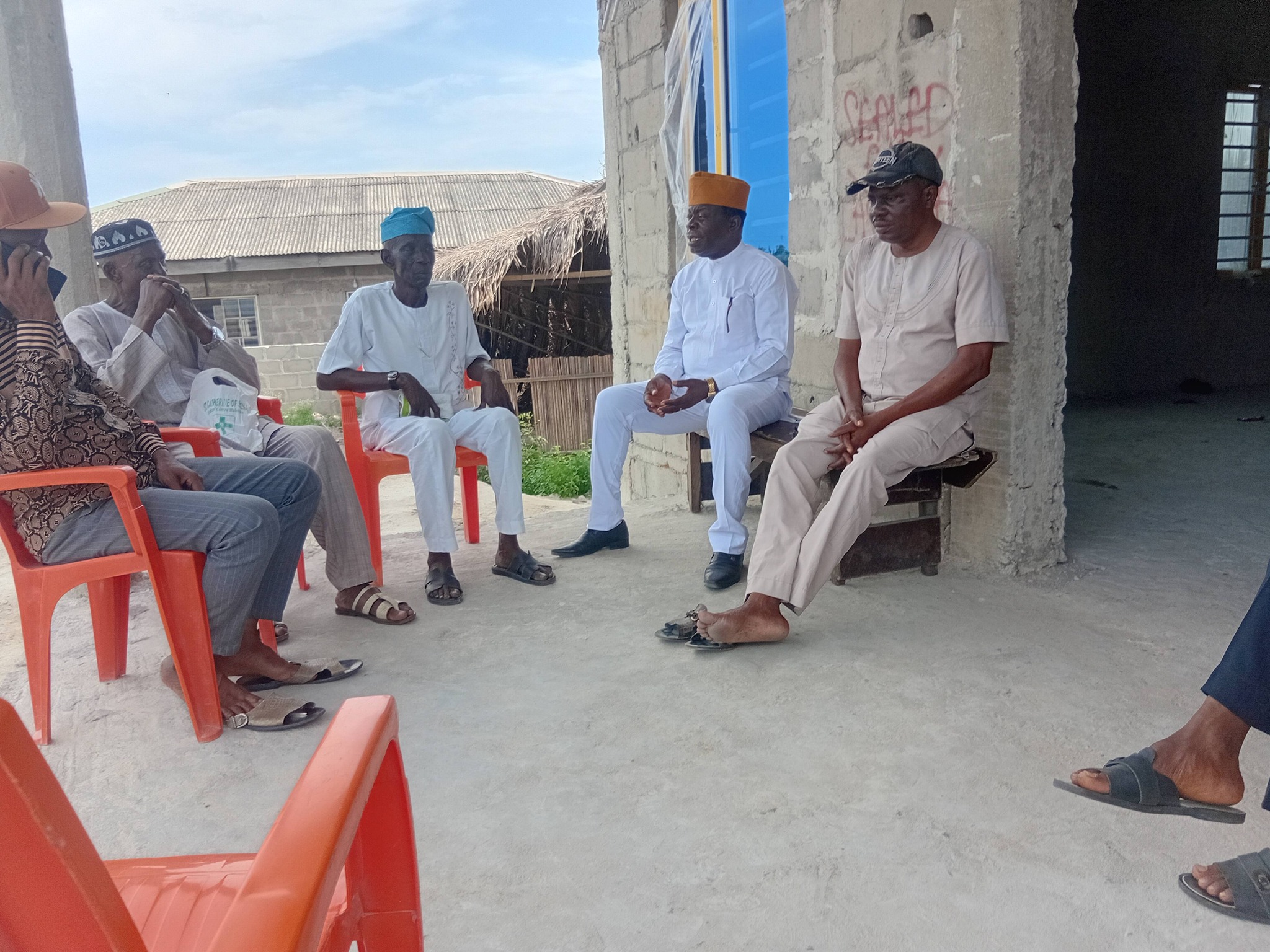
Residents within the affected areas have continued to express concerns over the long-term implications of the project on their communities and livelihoods.
Some stakeholders fear that displacement without adequate preservation measures could erode cultural heritage passed down through generations.
Observers note that the disagreement highlights growing tensions between rapid infrastructural expansion and the protection of indigenous communities within the Lekki axis.
The Coastal Road project remains one of the major infrastructure initiatives expected to improve transportation and connectivity across Lagos and adjoining regions.
Despite acknowledging the economic importance of the project, community leaders insist that development must be pursued in a manner that respects ancestral identity and communal history.
The Foundation reiterated its willingness to engage in constructive dialogue aimed at finding solutions beneficial to both the government and host communities.
Stakeholders believe ongoing consultations will play a critical role in determining the next phase of engagement between the affected communities and project authorities.
As discussions continue, many residents are calling for transparency, inclusion, and fair consideration of indigenous interests throughout the implementation process.
The issue has since generated attention across Ibeju-Lekki, with community members closely monitoring responses from government agencies and construction firms involved in the project.