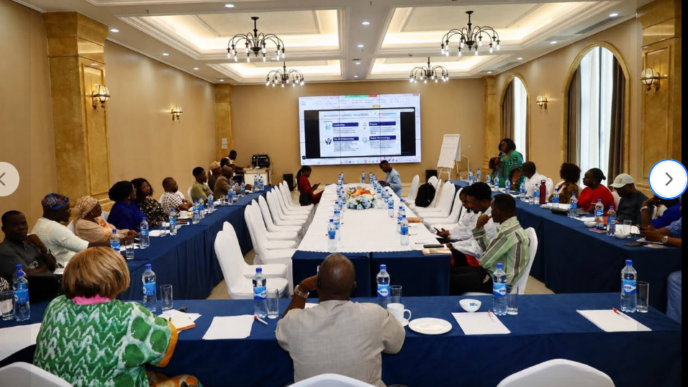

Executive Chairman of Ibeju-Lekki Local Government, Hon. Abdullahi Sesan Olowa, has rallied public and private sector stakeholders to support the launch of the SHIEELD Ibeju-Lekki Youth Empowerment Programme aimed at equipping young people with skills for employment and entrepreneurship.
Epe Insights reports that Hon. Olowa chaired a strategic brainstorming session involving government agencies, development partners, vocational training providers and industry leaders to develop a sustainable framework for youth empowerment under the Education and Youth Development Pillar of the SHIEELD Agenda.
The meeting, convened by Mrs. Bolaji Osime of ETMC/LERSA, focused on creating opportunities that will prepare young people for the demands of the modern labour market through skills development, career support and vocational training.
At the centre of the initiative are two flagship programmes designed to address the needs of different categories of youths within the local government.
The proposed Ibeju-Lekki Career Accelerator Programme (CAP) will target graduates of universities and polytechnics by providing employability training, digital skills, mentorship and career development to improve workplace readiness.
The second initiative, the Technical and Vocational Education and Training (TVET) Programme, will focus on school leavers and non-graduates by offering practical vocational training, entrepreneurship support and industry-recognised certification in high-demand trades.
Speaking at the session, Hon. Olowa described youth development as one of the defining priorities of his administration, stressing that addressing unemployment requires practical solutions that empower young people with relevant skills.
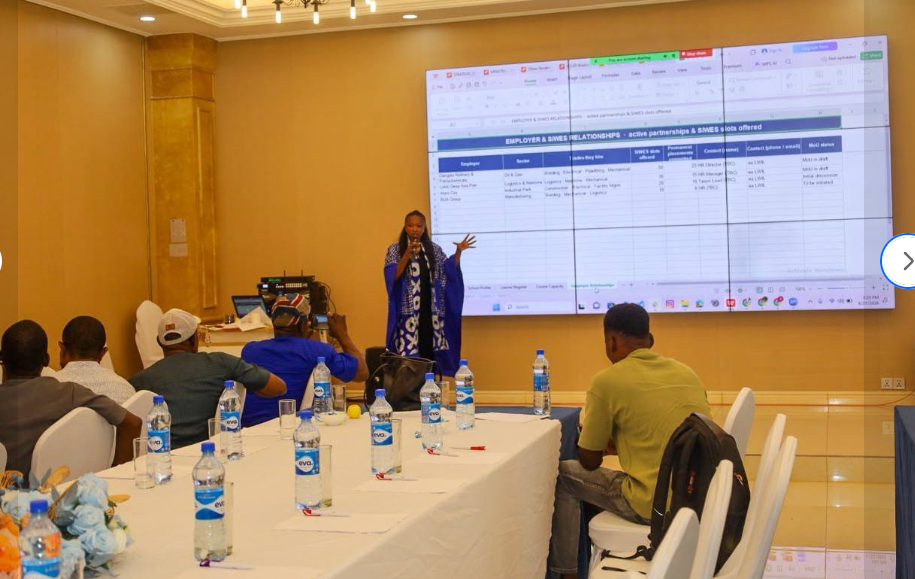
He noted that many talented youths remain unemployed because they lack access to opportunities and industry-relevant competencies despite possessing enormous potential.
According to the chairman, the proposed empowerment programme builds on successful interventions already implemented by the local government over the past four years.
He highlighted the council’s partnership with Pan-Atlantic University through the Saturday Learning Programme, which has benefited more than 1,000 public secondary school students, many of whom have secured admission into tertiary institutions, while others are studying on scholarships provided by the university.
Hon. Olowa also referenced the administration’s collaboration with the Lagos State Cooperative College, where fully funded scholarships enabled young people to study cooperative management, microfinance and technical vocational courses.
He disclosed that several beneficiaries of the programme have secured employment in microfinance institutions, while others trained in welding, electrical installation and related technical fields are currently undergoing internships within the Lekki Free Zone.
The chairman explained that the new youth empowerment framework seeks to expand these achievements by creating long-term programmes tailored to the varying educational backgrounds, career aspirations and abilities of participants.

Addressing the changing demands of today’s job market, Hon. Olowa observed that academic qualifications alone are no longer enough to secure meaningful employment.
He said employers increasingly seek candidates with practical skills, digital competence, communication abilities, problem-solving capacity and workplace readiness, regardless of their academic grades.
Through the Career Accelerator Programme, the local government aims to bridge the gap between formal education and industry expectations by equipping graduates with the practical competencies required to compete successfully in the global economy.
Stakeholders at the meeting expressed support for the initiative and pledged to strengthen collaboration between government, development organisations and the private sector to create sustainable employment pathways for young people across Ibeju-Lekki.
The proposed SHIEELD Ibeju-Lekki Youth Empowerment Programme reflects the council’s long-term commitment to investing in human capital, reducing youth unemployment and preparing the next generation to contribute meaningfully to economic growth and community development.