

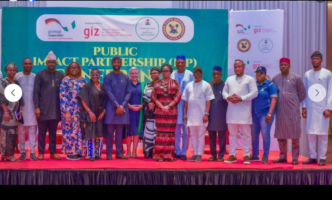
The Executive Chairman of Ibeju-Lekki Local Government and Chairman of Conference 57, Hon. (Engr.) Abdullahi Sesan Olowa, has called for stronger partnerships between government, private businesses and development organisations to address youth unemployment and expand economic opportunities.
Epe Insights reports that Olowa made the call at the high-level Public Impact Partnership (PIP) Conference organised by the German Development Cooperation (GIZ), where stakeholders discussed ways to translate public infrastructure investments into employment opportunities and inclusive economic growth.
The conference brought together senior government officials, international development partners, private sector representatives and civil society organisations to explore practical approaches to development challenges.
Olowa stressed the need to move beyond policy discussions and focus on implementing programmes that deliver measurable benefits to young people and their communities.
He noted that tackling youth unemployment requires coordinated action among local governments, state institutions and private industries.
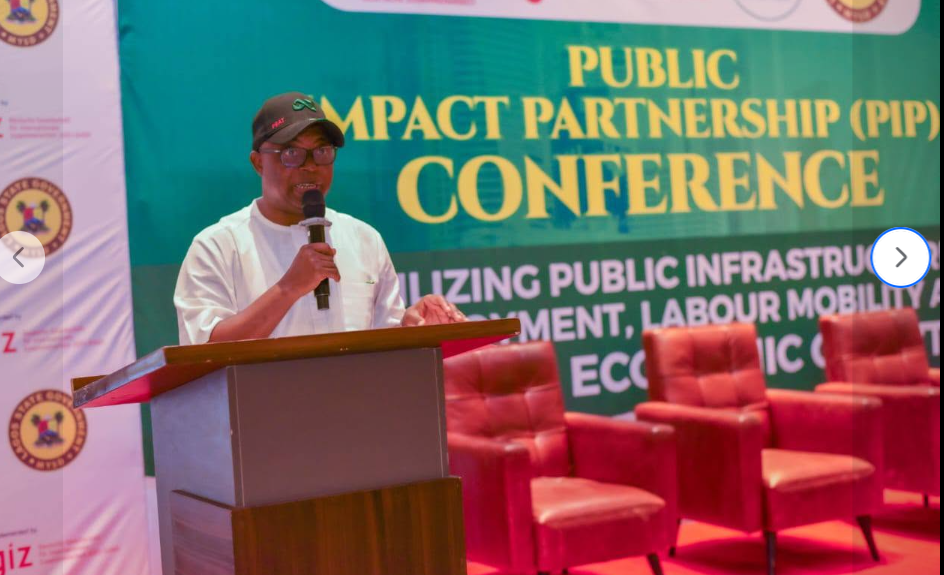
According to the chairman, each level of government has a role to play in connecting young people with available economic opportunities.
He urged local government administrators to identify opportunities within their respective areas and develop practical strategies to help residents benefit from ongoing infrastructure projects and private sector investments.
Olowa emphasised that local governments are strategically positioned to understand the needs, skills and economic circumstances of people within their communities.
He explained that this proximity to residents can help councils identify suitable employment pathways and strengthen connections between job seekers and employers.
The chairman also highlighted the importance of ensuring that major investments produce benefits beyond physical infrastructure.
According to the central message of his address, development projects should create opportunities for local participation, skills development and improved livelihoods.
Partnerships as a pathway to employment
The Public Impact Partnership Conference provided a platform for stakeholders to discuss how cooperation between the public and private sectors could improve the impact of development investments.
Public infrastructure projects can create employment opportunities during construction and operation. They can also stimulate demand for services, logistics, maintenance and other supporting businesses.
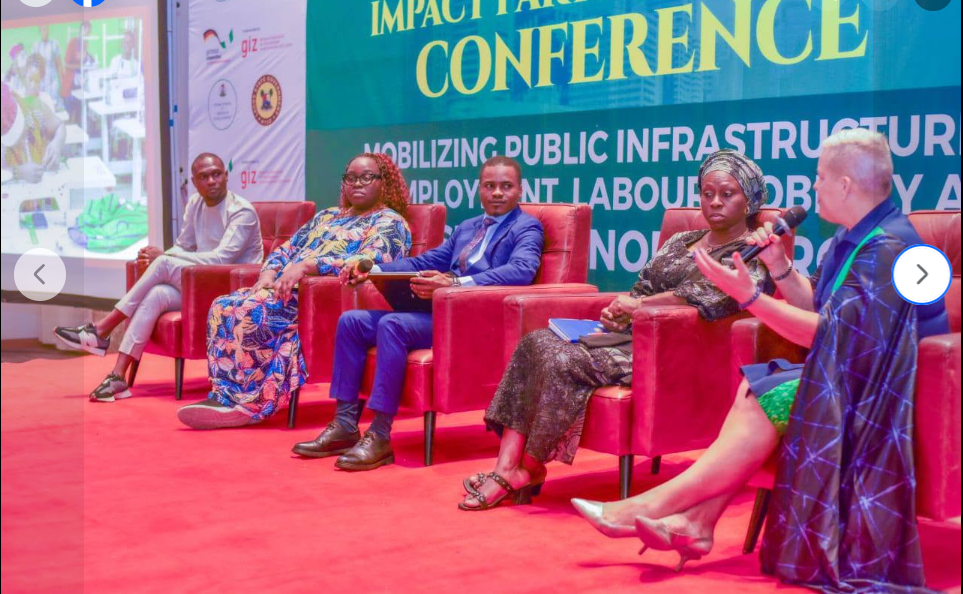
However, young people need access to the relevant skills, information and recruitment channels to benefit from these opportunities.
Stronger partnerships could help bridge this gap by aligning vocational training, workforce development and private sector requirements.
Local governments could contribute by identifying qualified young people, mapping available skills and facilitating engagement with businesses operating within their jurisdictions.
Private companies, in turn, could support employment through recruitment programmes, apprenticeships, internships and other practical training opportunities.
Development partners could also provide technical expertise and support initiatives designed to improve access to decent work.
Olowa’s call for closer collaboration reflects the need for these different stakeholders to work towards shared employment and development objectives.
Ibeju-Lekki’s local development opportunities
For Ibeju-Lekki, the discussion is particularly relevant to the area’s economic and infrastructural development.
As development and business activities create new demands for workers and services, local participation remains an important consideration.
Connecting residents to emerging opportunities would require effective communication between government institutions, employers, training providers and community stakeholders.

It would also require identifying the skills needed by employers and helping young people acquire the qualifications necessary to compete for available positions.
Olowa urged local administrators to take deliberate steps towards ensuring that economic opportunities within their territories translate into tangible benefits for residents.
His position places emphasis on practical implementation, local planning and cooperation rather than relying solely on policy commitments.
Such an approach could help local councils develop employment initiatives that respond more directly to the needs of their communities.
From policy discussions to practical results
The conference also highlighted the broader challenge of ensuring that development investments contribute to inclusive economic growth.
Infrastructure can improve connectivity, support businesses and create conditions for economic expansion. Yet its impact on unemployment depends partly on how effectively local people are connected to the resulting opportunities.
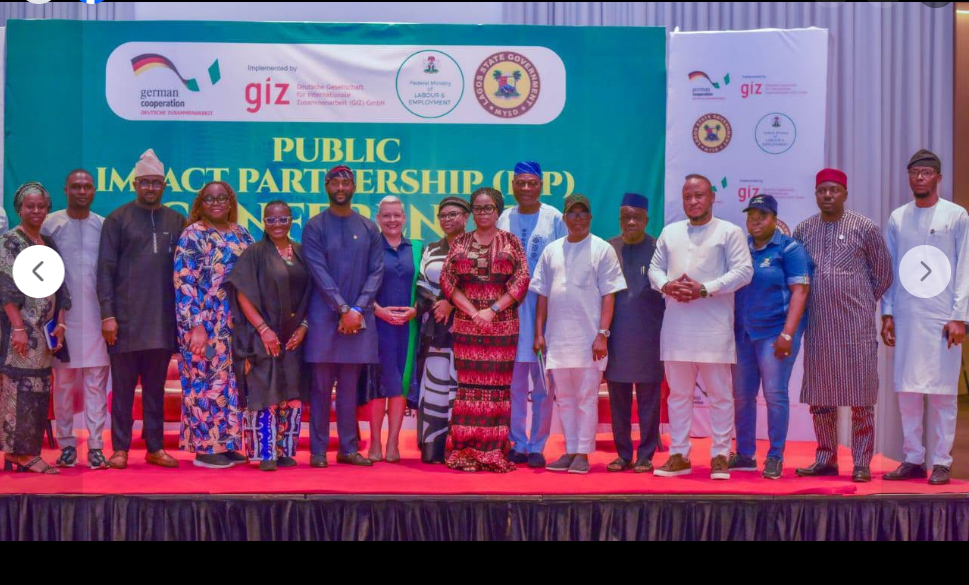
Sustained collaboration between government, development partners and the private sector could help improve this connection.
Clear employment pathways, relevant training and stronger communication with employers would be important elements of such efforts.
For young people, access to these opportunities could support financial independence, professional development and greater participation in the local economy.
For communities, increased employment could strengthen household incomes and support the growth of small businesses.
Olowa’s participation at the GIZ Public Impact Partnership Conference brought attention to the role of local government in advancing these objectives.
His call underscored the importance of turning development discussions into practical programmes that connect young people with jobs, skills and economic opportunities.
As stakeholders continue to explore partnership-driven development, the focus remains on building stronger links between investment, employment and community welfare.





![NSPPD: How I Survived Plane Crash - Pastor Jerry Eze [Video]](https://epeinsights.com/wp-content/uploads/2025/02/Jerry-Eze-332x187.jpg)
![NSPPD: How I Survived Plane Crash - Pastor Jerry Eze [Video]](https://epeinsights.com/wp-content/uploads/2025/02/Jerry-Eze-688x387.jpg)


