


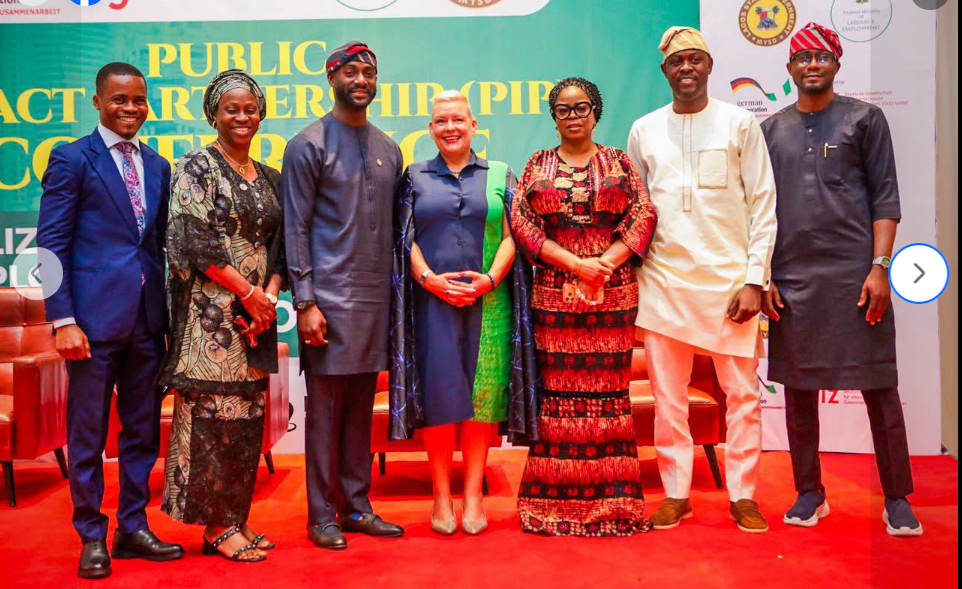
Stakeholders from government, the private sector and development organisations have gathered in Ikeja, Lagos, for a Public Impact Partnership (PIP) Conference focused on creating jobs through public infrastructure and promoting inclusive economic growth.
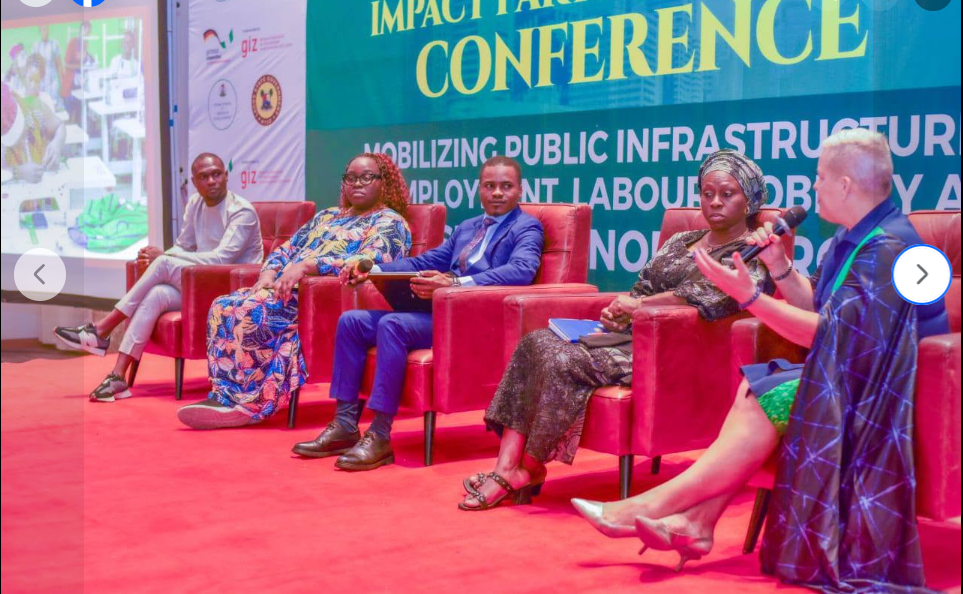
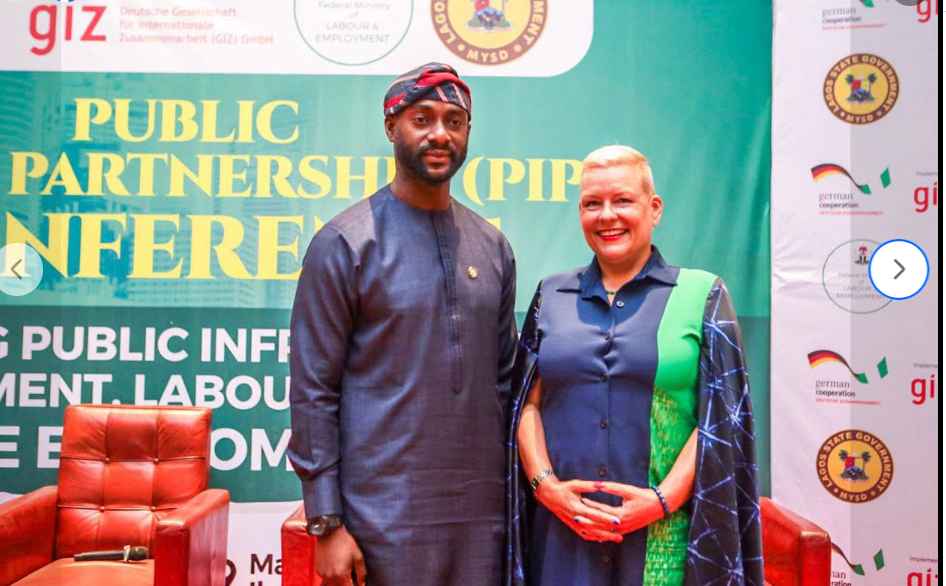
Epe Insights reports that the conference, sponsored by GIZ-ZME, was held at the Marriott Hotel, Ikeja GRA, Lagos, with the theme, “Mobilizing Public Infrastructure for Employment, Labour Mobility and Inclusive Economic Growth.”
The event brought together representatives of the private sector, the Ministry of Labour and Employment, and several southwestern states to discuss practical ways of linking infrastructure investments with employment opportunities.
The discussions centred on how public infrastructure could contribute to job creation, improve labour mobility and support broader economic participation.
The conference also highlighted the importance of collaboration among government institutions, development partners and private businesses in addressing employment challenges, particularly among young people.
Participants explored strategies for ensuring that infrastructure development delivers benefits beyond physical projects by creating opportunities for workers, entrepreneurs and local communities.
Public infrastructure can support employment directly through construction, maintenance and operations. It can also stimulate business activities across supply chains and related industries.
However, translating these investments into sustainable jobs requires deliberate planning, effective coordination and a clear understanding of the skills employers need.
The conference provided a platform for stakeholders to consider how these elements could be better aligned to achieve stronger employment outcomes.
Partnerships for sustainable employment
Cooperation between government and the private sector remains important in connecting job seekers with emerging economic opportunities.
Government institutions can help identify workforce needs, develop supportive policies and coordinate employment initiatives. Private businesses can contribute by providing jobs, practical training and opportunities for skills development.
Development partners can also support the process through technical assistance, capacity building and programmes designed to strengthen economic participation.
Bringing these stakeholders together can help identify gaps between available jobs and the skills of people seeking employment.
The conference theme placed particular emphasis on labour mobility, which involves enabling workers to access employment opportunities across different locations and sectors.
Improved access to information, relevant training and employment networks can help workers respond to changing labour market demands.
These measures are particularly relevant to young people entering the workforce and seeking opportunities to build sustainable careers.
Youth empowerment remains a priority
Youth employment and empowerment remain important considerations in Lagos State’s broader development efforts.
With young people seeking opportunities across various sectors, stronger connections between infrastructure investments and workforce development could help widen access to employment.
Such an approach requires stakeholders to identify emerging industries, assess their labour needs and equip young people with relevant skills.
Vocational training, apprenticeships, entrepreneurship support and partnerships with employers can help prepare young people for available opportunities.
Small businesses may also benefit when infrastructure improvements increase access to markets, reduce operational barriers and support commercial activity.
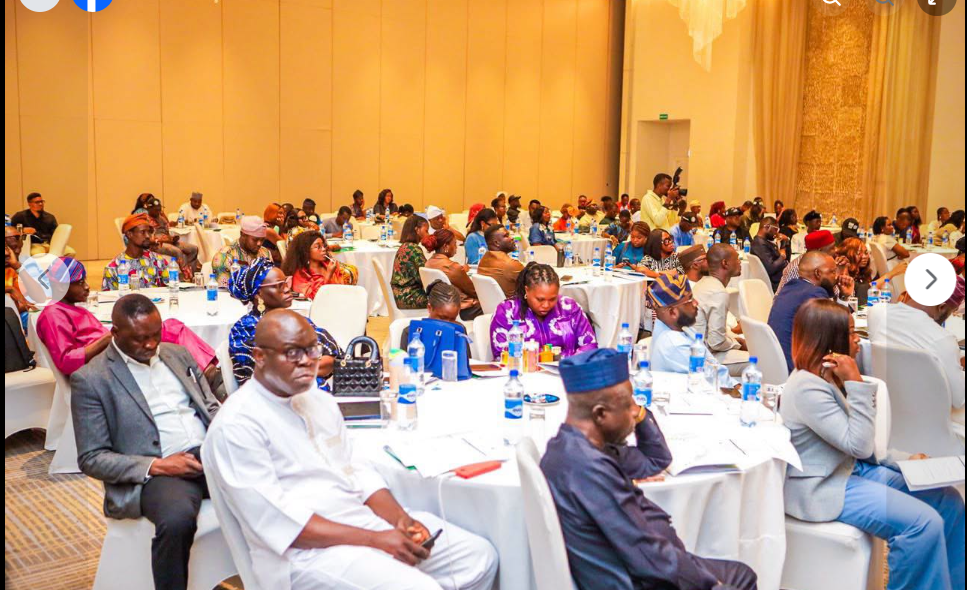
The conference offered an opportunity to examine how coordinated policies and private sector participation could contribute to these outcomes.
For local governments and communities, the discussions also underscored the importance of ensuring that residents can benefit from economic activities taking place within their areas.
Local knowledge can help identify employment needs and connect suitable candidates with businesses and development initiatives.
Infrastructure as a driver of inclusive growth
Public infrastructure plays an important role in economic development by supporting transportation, commerce, industrial activity and access to essential services.
When properly planned and implemented, infrastructure projects can create employment during construction and generate further opportunities through the businesses and services they support.
However, the wider benefits depend on effective implementation and deliberate efforts to include local workers and enterprises.
Stakeholders must therefore consider how infrastructure planning can complement employment policies, skills development and private sector investment.
Inclusive economic growth also requires attention to groups that may face barriers to employment, including young people with limited work experience and individuals who lack access to professional networks.
Partnerships can help address these barriers by improving access to training, information and suitable employment pathways.
The participation of representatives from southwestern states provided an opportunity to exchange ideas and consider approaches that could be adapted to different local economic conditions.
Such collaboration may help strengthen regional responses to employment challenges while encouraging shared learning among public institutions and development partners.
As discussions around the Public Impact Partnership Conference continue, the central objective remains connecting infrastructure investment with tangible economic benefits.
The event reinforced the importance of collaboration in developing practical approaches to job creation, labour mobility and youth empowerment.
Sustained cooperation among government, development organisations and the private sector will remain essential to expanding employment opportunities and supporting a more inclusive economy in Lagos State and beyond.


![NSPPD: How I Survived Plane Crash - Pastor Jerry Eze [Video]](https://epeinsights.com/wp-content/uploads/2025/02/Jerry-Eze-332x187.jpg)
![NSPPD: How I Survived Plane Crash - Pastor Jerry Eze [Video]](https://epeinsights.com/wp-content/uploads/2025/02/Jerry-Eze-688x387.jpg)


