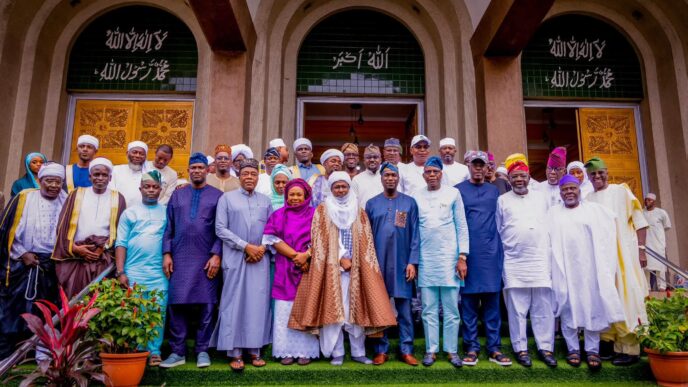
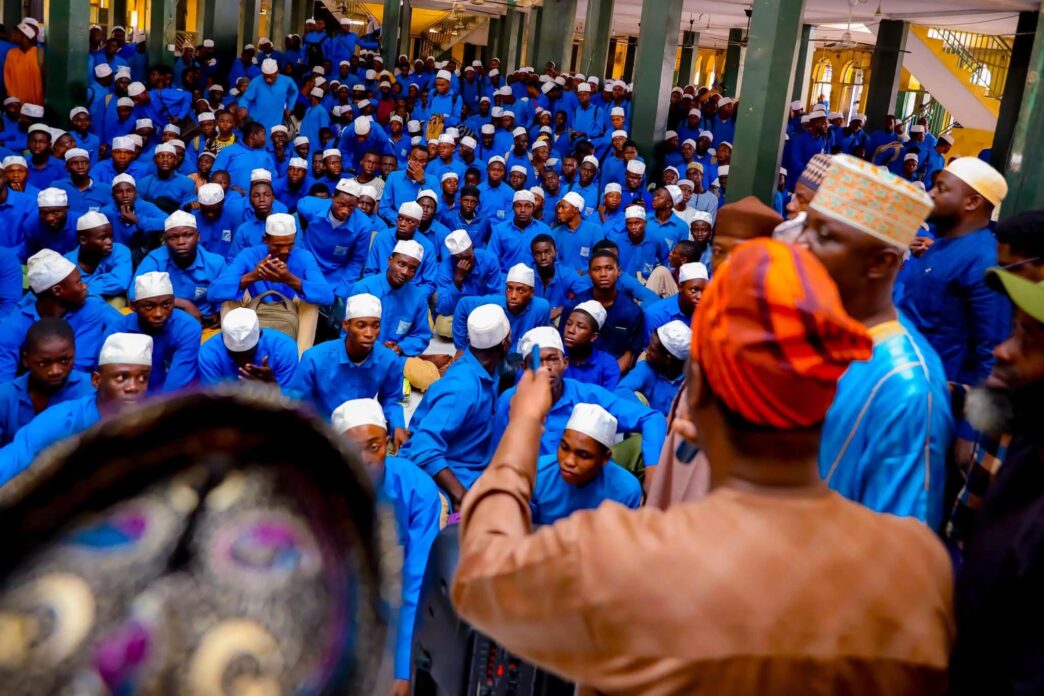
Dr. Obafemi Hamzat has visited the Arabic and Islamic Training Centre, Markaz Agege, in Lagos, where he engaged with the Muslim community and discussed shared aspirations for the development of the state.
Epe Insights reports that Hamzat, during the visit, spent time with members of the community led by Sheikh Muhammad Habibullah Adam Abdullah El-Ilory.
The visit provided an opportunity for meaningful conversations on the hopes and expectations of Lagos residents, with emphasis on peaceful coexistence and the continued progress of the state.
Hamzat described the interaction as meaningful, highlighting the importance of engaging with communities and listening to their perspectives on the future of Lagos.
According to him, the strength of the people lies in their ability to live together with mutual respect while working towards common goals.
He stressed the importance of peace and progress as shared responsibilities among residents, regardless of their different backgrounds or communities.
The visit to Markaz Agege also reflected the value of community engagement in building stronger relationships across Lagos.
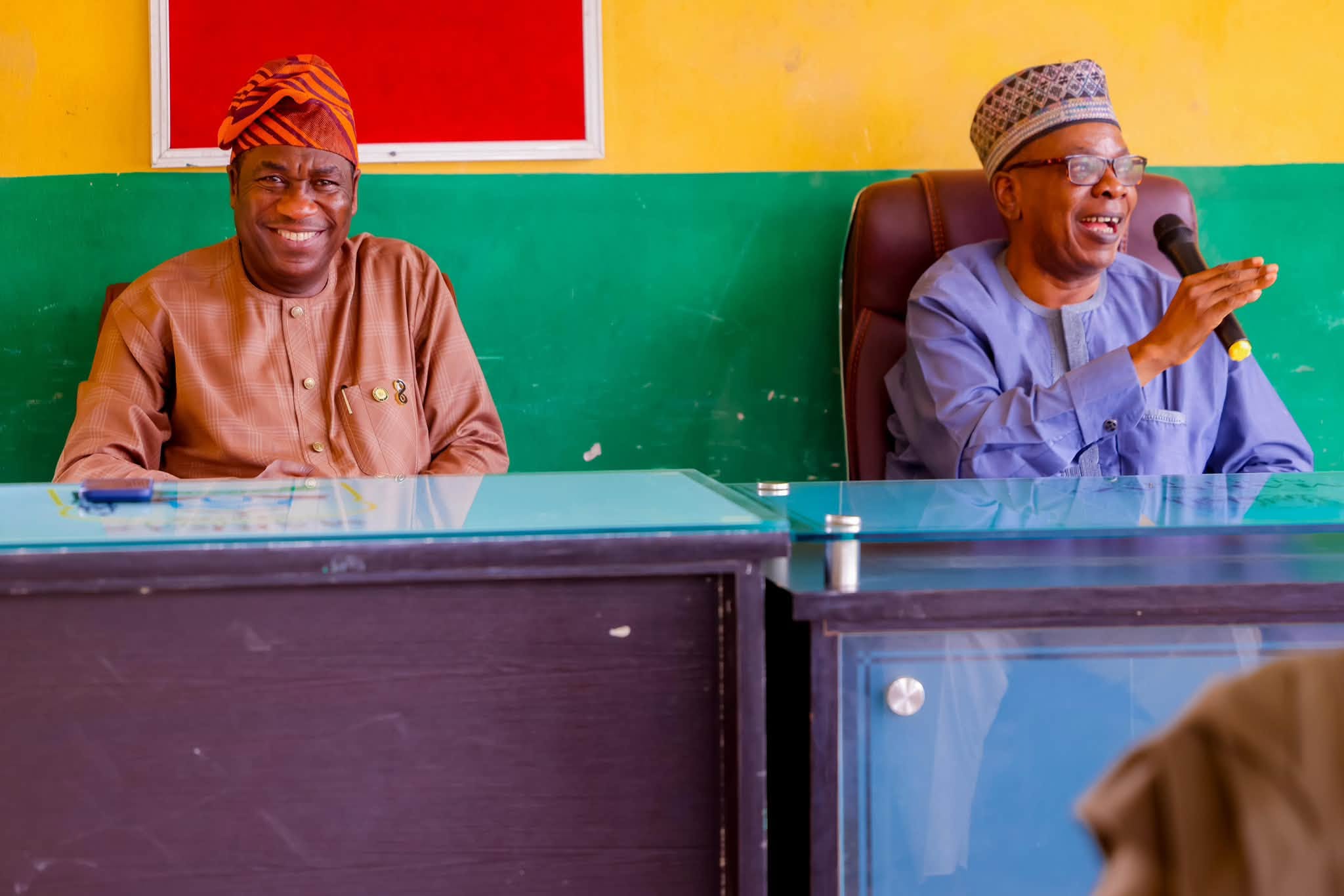
Hamzat’s interaction with the leadership and members of the Arabic and Islamic Training Centre created an avenue for dialogue around issues that affect the wider society.
The discussion focused on shared hopes for Lagos and the desire for a state where residents can continue to coexist peacefully and contribute to its development.
For a diverse society such as Lagos, mutual respect remains an important foundation for building stronger communities.
The state is home to people from different backgrounds, faiths and communities who contribute in various ways to its social and economic development.
Hamzat noted that these differences can coexist with a shared commitment to the wellbeing and advancement of Lagos.
His message centred on the need for residents to recognise their common interests and work together towards a peaceful and prosperous future.
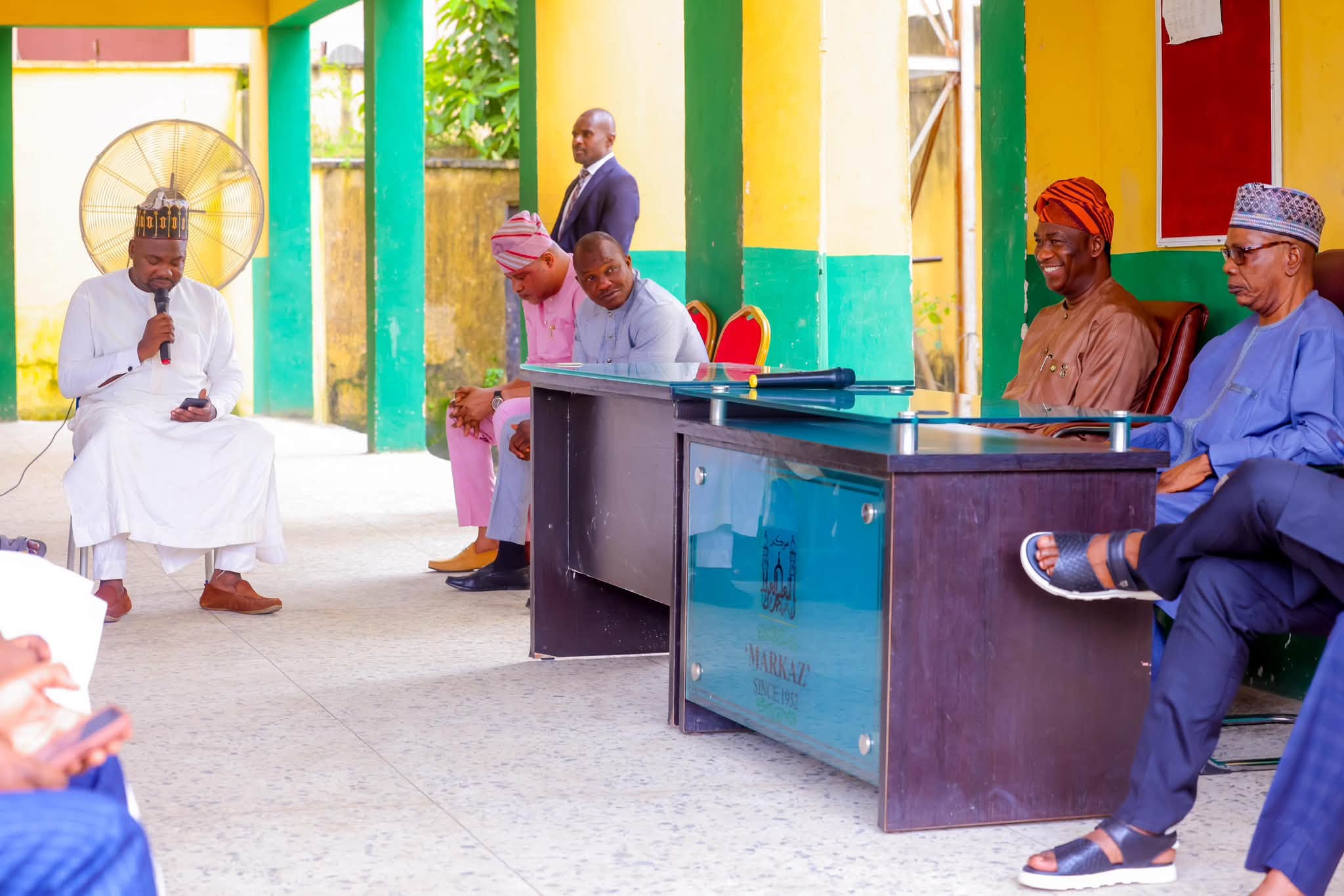
The engagement at Markaz Agege further underscored the importance of dialogue between leaders and different community groups.
Community interactions provide opportunities for leaders to better understand the concerns, aspirations and expectations of residents.
They also create room for stronger relationships and greater understanding among different sections of society.
The visit comes amid ongoing conversations about the future direction of Lagos and the importance of collective participation in the state’s development.
Hamzat’s engagement with the Arabic and Islamic Training Centre demonstrated the relevance of maintaining communication with diverse communities across Lagos.
Such engagements can help strengthen trust and encourage residents to see themselves as partners in the development of the state.
The message of mutual respect remains particularly significant in a multicultural and multi-faith environment like Lagos.
Peaceful coexistence allows communities to focus on productive activities, education, business, social development and other areas that contribute to the growth of the state.
Hamzat’s interaction with the Markaz Agege community therefore placed emphasis on the shared responsibility of residents in maintaining harmony.
The visit also highlighted the importance of recognising the contributions of community institutions to the social fabric of Lagos.
Religious and community organisations often provide platforms where residents can interact, exchange ideas and promote values that support peaceful living.
The Arabic and Islamic Training Centre, Markaz Agege, led by Sheikh Muhammad Habibullah Adam Abdullah El-Ilory, served as the setting for Hamzat’s latest community engagement.
During the visit, the discussions provided an avenue for both sides to reflect on their shared hopes for Lagos.
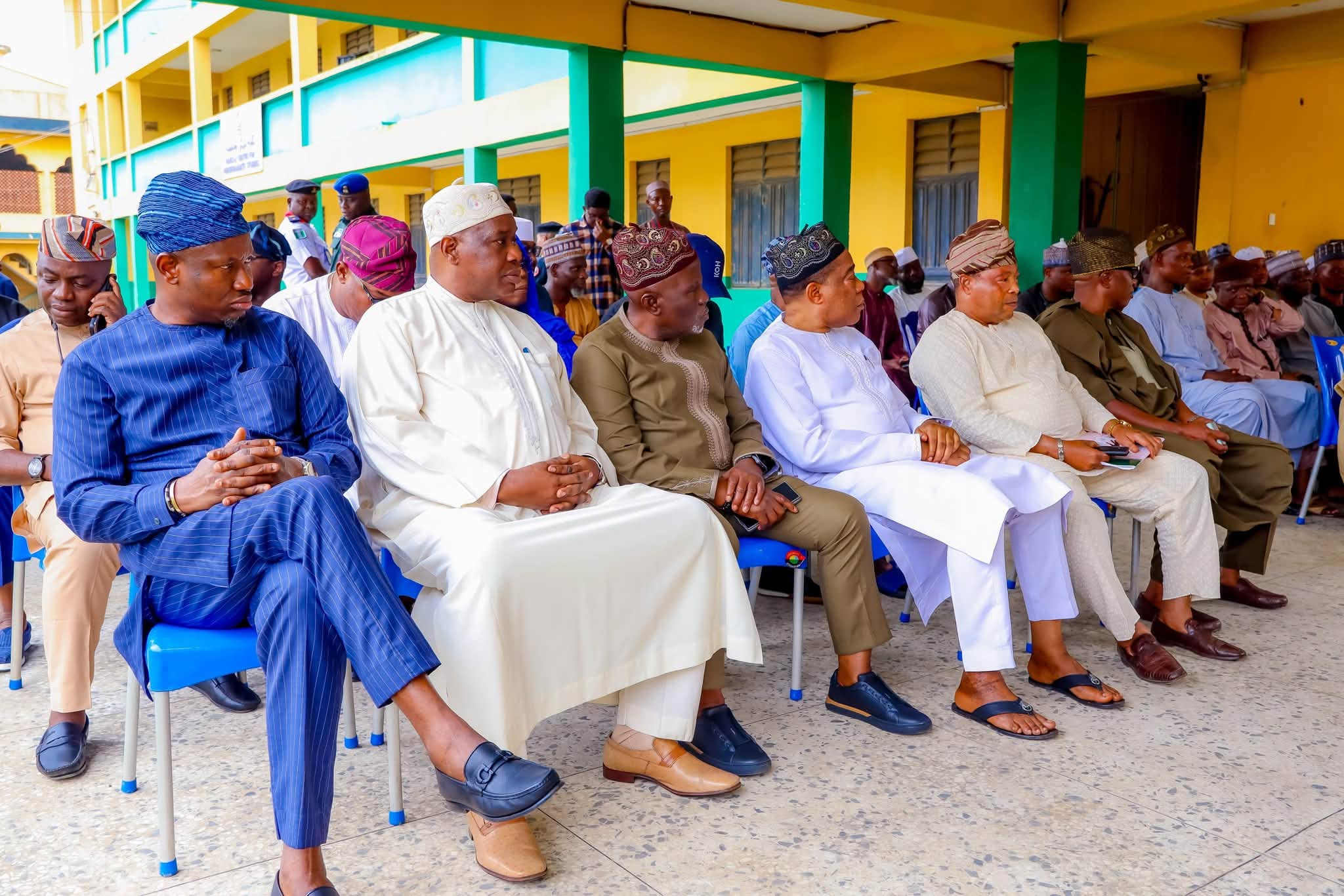
Hamzat reiterated the importance of living together with mutual respect and maintaining a collective commitment to the peace and progress of the state.
His remarks reinforced the idea that the development of Lagos requires cooperation among its many communities.
Beyond physical infrastructure and economic activities, social cohesion remains an essential part of building a stronger state.
When communities understand and respect one another, they are better positioned to contribute positively to the development process.
The visit also reinforced the value of maintaining open channels of communication between public figures and community leaders.
For residents, such engagements provide opportunities to express their aspirations and participate in conversations about the future of their communities.
For leaders, they offer an opportunity to listen directly to the people and understand the perspectives that shape community life.
Hamzat’s visit to Markaz Agege was therefore not only a community interaction but also an expression of the importance of unity in Lagos.
The emphasis on mutual respect, peace and progress remains relevant as residents continue to work towards a better future for the state.
Lagos’ continued development depends on the collective efforts of its residents, community leaders and institutions.
The ability to maintain peaceful relationships while pursuing shared objectives can help strengthen the foundation for sustainable development.
Hamzat’s message at Markaz Agege was ultimately centred on this shared responsibility.
By encouraging mutual respect and a commitment to the peace and progress of Lagos, the engagement highlighted the common values that connect communities across the state.
The visit also served as a reminder that meaningful development is strengthened when different communities have opportunities to engage, share their aspirations and work towards common goals.
As Lagos continues to evolve, conversations that promote understanding and peaceful coexistence will remain important to the state’s future.
Hamzat’s engagement with the Arabic and Islamic Training Centre therefore reflects the continuing importance of community dialogue and collective responsibility in building a stronger Lagos.