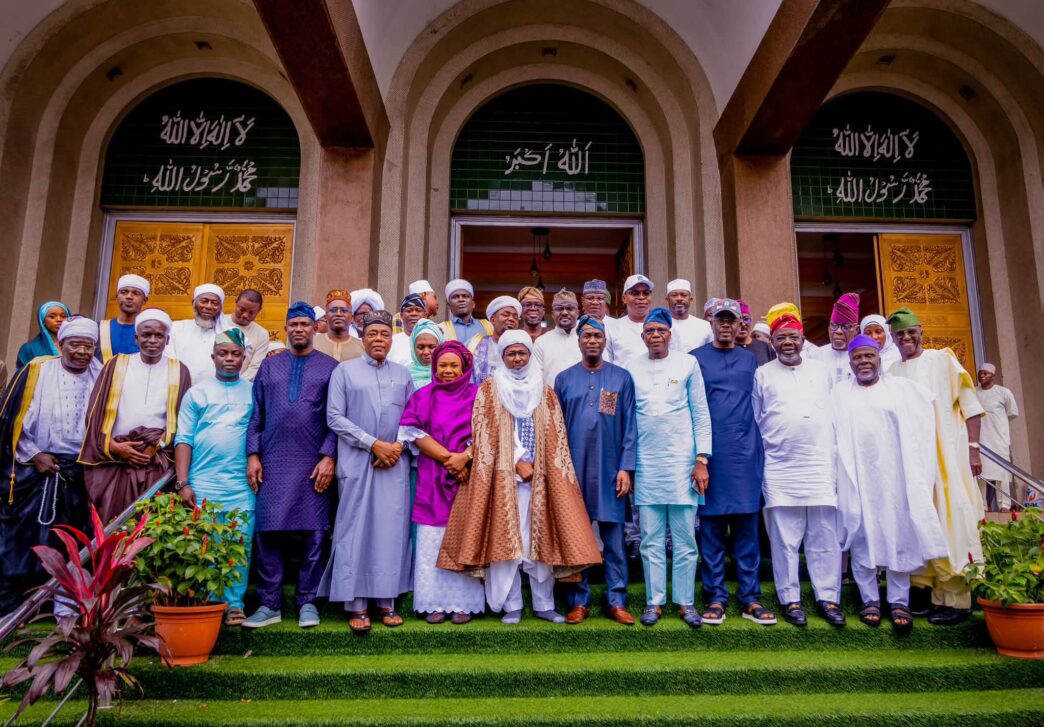
Dr. Obafemi Hamzat has met with the Grand Chief Imam of Lagos State, His Eminence Sheikh (Engr.) Sulaimon Oluwatoyin Abou-Nolla, alongside other Divisional Imams from across the state, as part of an engagement focused on unity, diversity and the shared future of Lagos.
Epe Insights reports that Hamzat described the interaction with the Islamic leaders as encouraging, noting that conversations of this nature reinforce the possibilities that can be achieved when residents put the interests of Lagos first.
The engagement brought together the Grand Chief Imam and Divisional Imams from different parts of the state, providing an opportunity for dialogue around the values that connect Lagos residents.
Hamzat expressed appreciation for conversations that promote a common vision for the state and strengthen understanding among its diverse communities.
According to him, Lagos derives significant strength from its diversity and the ability of its people to work together despite differences in background and community.
He reaffirmed his commitment to building on this strength as Lagos continues to move forward.
The meeting also highlighted the importance of engaging religious leaders in conversations concerning the development and future of the state.
As influential figures within their respective communities, Divisional Imams play an important role in promoting values that encourage responsible citizenship and peaceful coexistence.
Hamzat’s engagement with the Islamic leadership therefore provided an avenue to recognise the importance of collaboration across different sections of Lagos society.
Lagos is widely known for its diverse population, with people from different backgrounds living and working across its communities.
The state’s diversity contributes to its social, cultural and economic character and remains an important part of its identity.
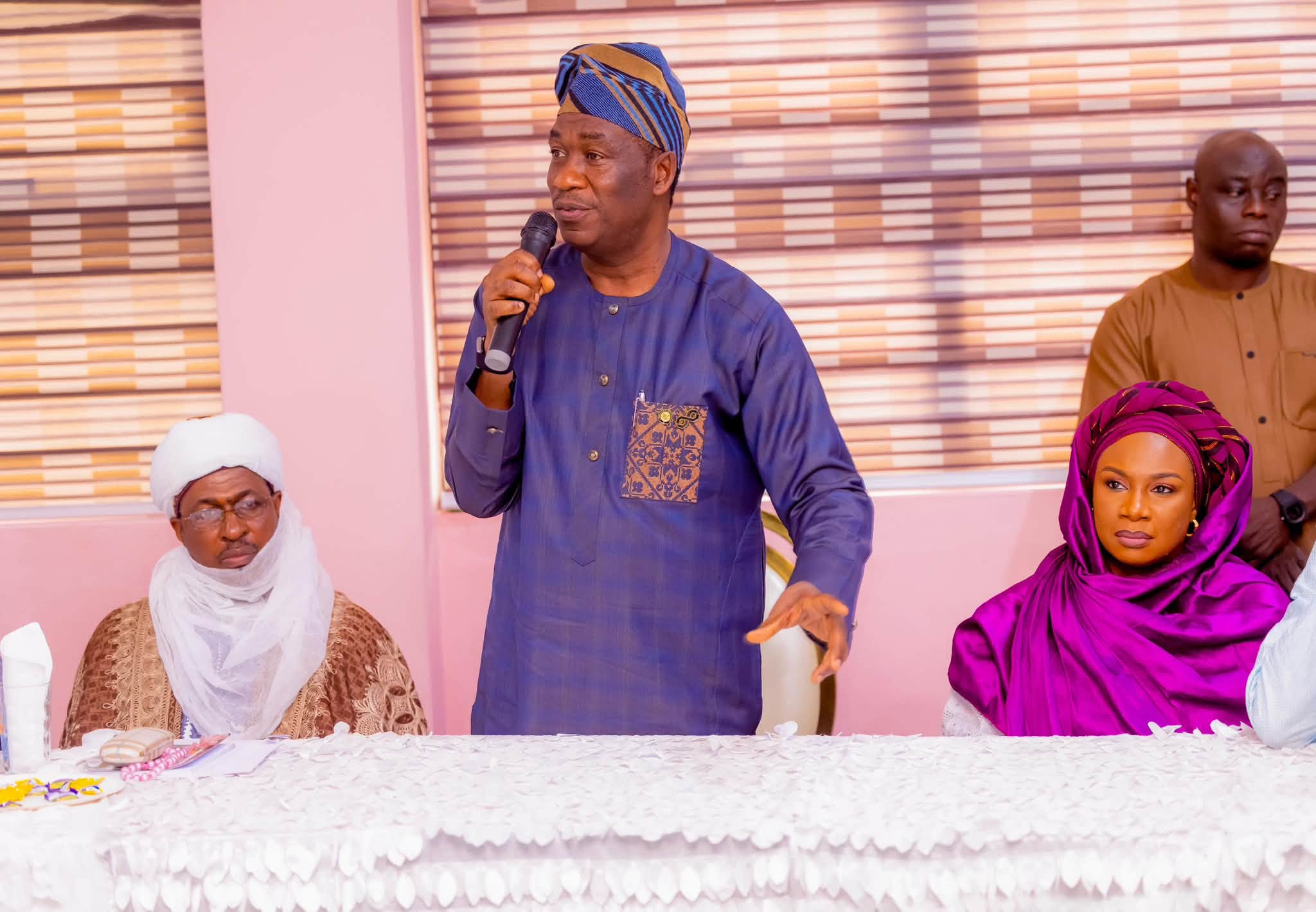
Hamzat noted that this diversity should continue to serve as a source of strength rather than division.
He emphasised the importance of putting Lagos first and working collectively towards the advancement of the state.
The message places unity and shared responsibility at the centre of the conversation about Lagos’ future.
For a state with communities spread across different divisions, continued dialogue can help strengthen relationships and promote a greater sense of collective purpose.
Religious leaders also have an important role in encouraging their followers to contribute positively to their communities.
Through constructive engagement, leaders from different sectors can exchange ideas and strengthen cooperation on issues affecting residents.
Hamzat’s meeting with the Grand Chief Imam and other Divisional Imams reflects the value of maintaining communication with key community and religious stakeholders.
Such engagements can provide opportunities to listen, exchange perspectives and identify areas of common interest.
The meeting also reinforced the idea that the development of Lagos is a collective responsibility.
Government and community leaders, religious institutions and residents all have roles to play in sustaining the progress of the state.
Hamzat said he remains encouraged by conversations that focus on what Lagos can achieve when its people work together.
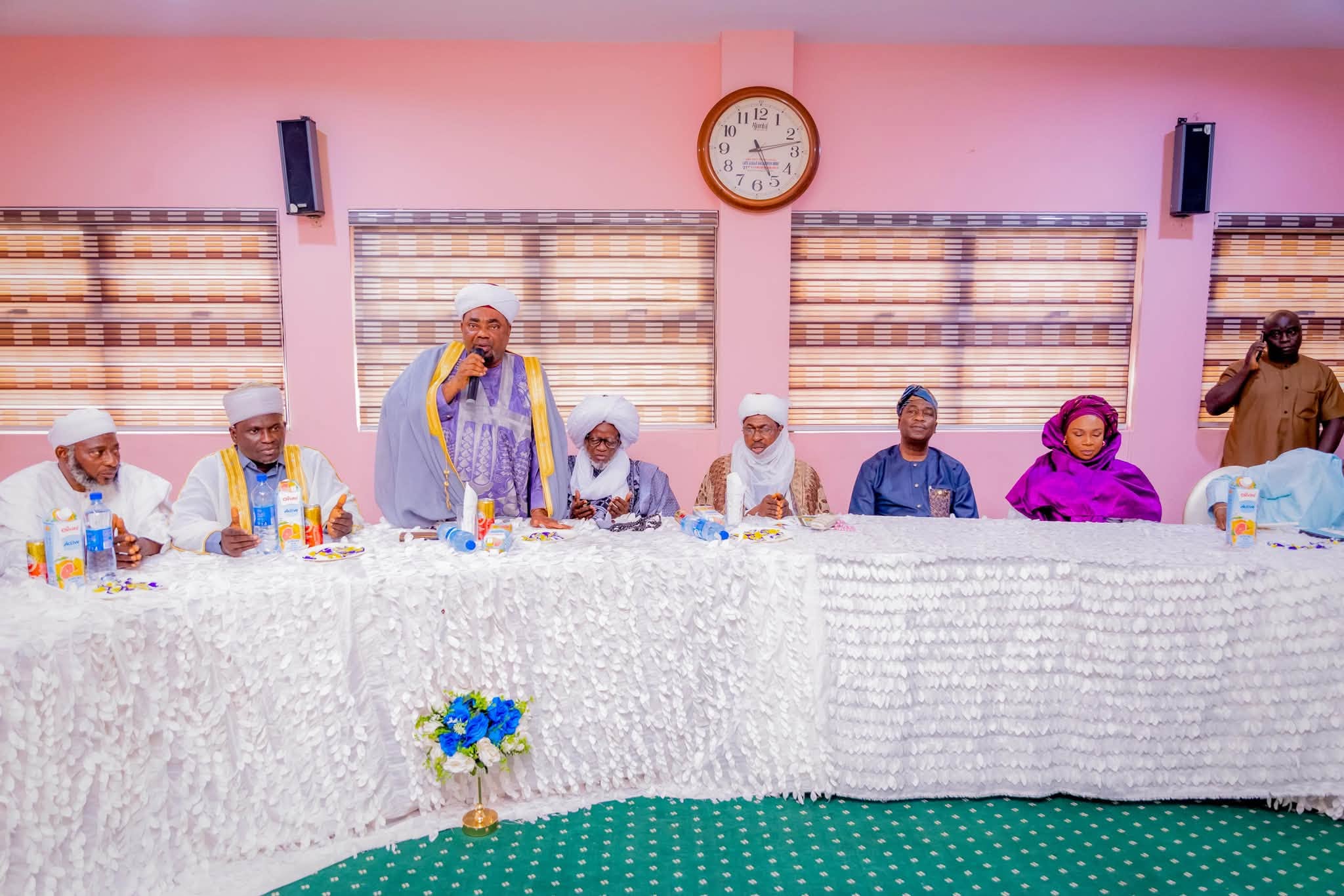
His position reflects an emphasis on shared aspirations and the importance of maintaining a common purpose.
The Grand Chief Imam’s participation, alongside other Divisional Imams, also underscores the relevance of religious leadership in community engagement across Lagos.
Their presence provided a broad representation of Islamic leadership from different parts of the state.
The interaction further demonstrated the importance of building relationships across communities and institutions.
In a diverse state like Lagos, mutual understanding can help create stronger connections between residents and their leaders.
Hamzat’s message of putting Lagos first also speaks to the need for residents to recognise their common interests.
Regardless of differences in background, faith or location, Lagos residents share an interest in the continued peace, development and prosperity of the state.
Building on these shared interests can strengthen cooperation and create a more united society.
The engagement with the Islamic leaders therefore goes beyond a single meeting, highlighting the continuing importance of dialogue in public life.
It also reinforces the value of listening to different communities and recognising their perspectives in conversations about the future.
Hamzat maintained that Lagos’ diversity remains one of its greatest strengths.
He expressed his determination to build on that strength as the state moves forward together.
The message provides a reminder that sustainable progress requires more than physical development.
It also depends on strong relationships, mutual understanding and a shared commitment to the wellbeing of residents.
The meeting with the Grand Chief Imam and Divisional Imams consequently highlighted the importance of unity in shaping the future of Lagos.
It also provided an opportunity to reinforce the common values that connect communities across the state.
As Lagos continues to develop, conversations that bring together leaders from different sectors remain important.
Such engagements can encourage cooperation and strengthen the collective effort towards a better future for residents.
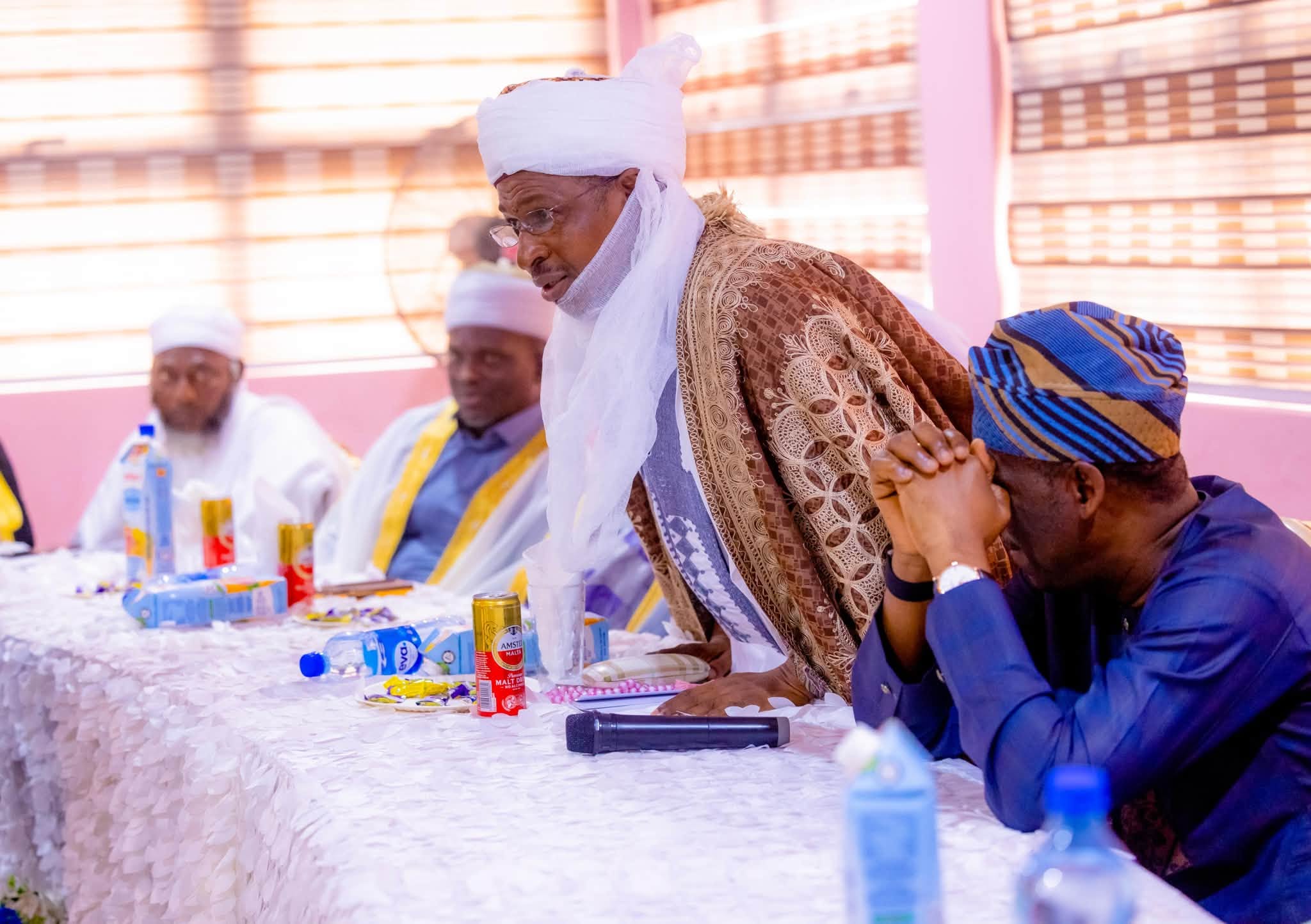
Hamzat’s interaction with the Islamic leadership reflects his emphasis on building bridges across diverse communities.
His message was clear: Lagos’ diversity is a strength, and that strength can be maximised when residents work together with a shared sense of purpose.
The engagement ultimately centred on unity, inclusion and the common aspirations of Lagos residents.
Hamzat reaffirmed his commitment to building on the state’s diversity while encouraging a collective approach to its future.
With continued dialogue and cooperation among its diverse communities, Lagos can further strengthen the social foundation needed for sustainable progress.