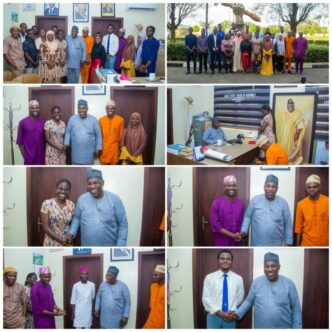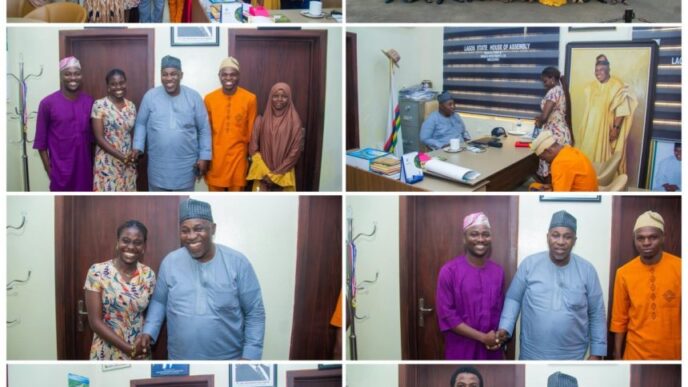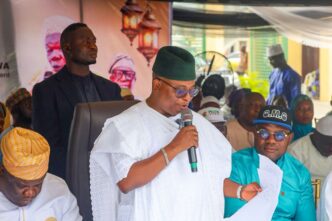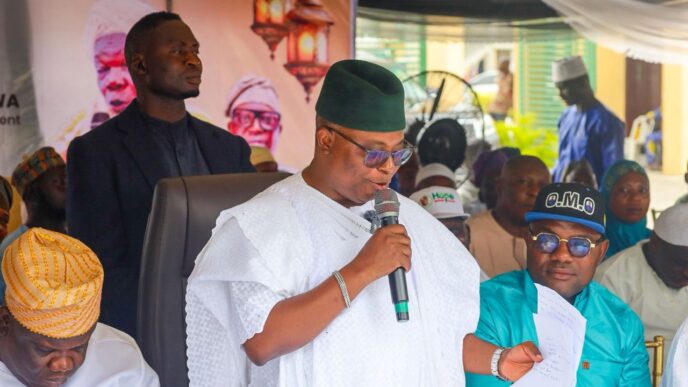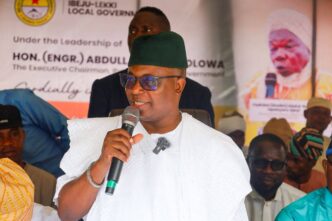
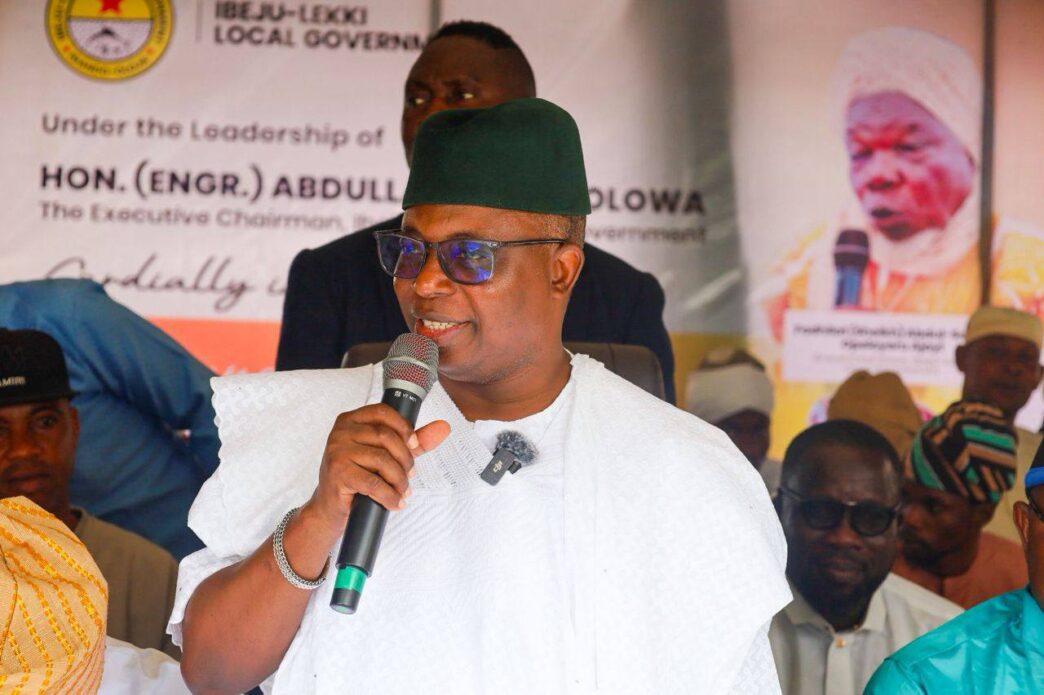
The Executive Chairman of Ibeju-Lekki Local Government Area, Abdullahi Sesan Olowa, hosted a Ramadan lecture aimed at encouraging spiritual reflection, prayers for national leaders, and renewed commitment to good governance.
Epe Insights reports that the Ramadan lecture series brought together religious scholars, community leaders, political stakeholders, and residents in a gathering focused on faith, unity, and leadership responsibilities during the holy month.
In his welcome address, Olowa described the event as a timely opportunity for reflection, urging residents to strengthen their faith and moral values while contributing positively to community development.
The council chairman expressed appreciation to Islamic clerics and participants who attended the programme, noting that their presence reinforced the importance of spiritual guidance in shaping responsible leadership.
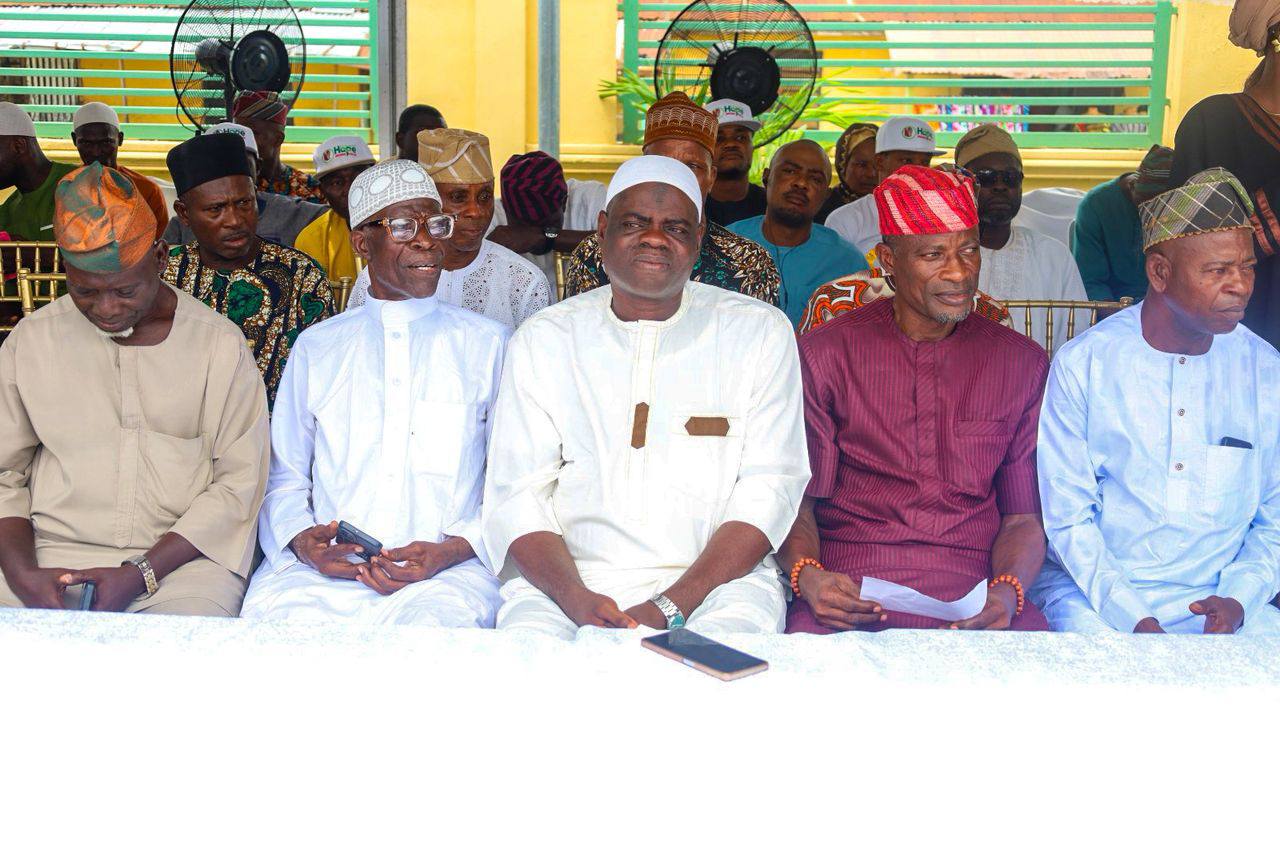
Olowa used the occasion to call for prayers for the President of Nigeria, Bola Ahmed Tinubu, and the Governor of Lagos State, Babajide Olusola Sanwo-Olu.
He prayed for divine wisdom, strength, and good health for the leaders as they continue to steer the affairs of the country and the state toward development and prosperity.
The chairman also reassured residents that the administration remains committed to delivering meaningful development projects across communities within Ibeju-Lekki.
According to him, the recent resumption of newly sworn-in supervisory councillors will further strengthen governance and accelerate development initiatives at the grassroots level.
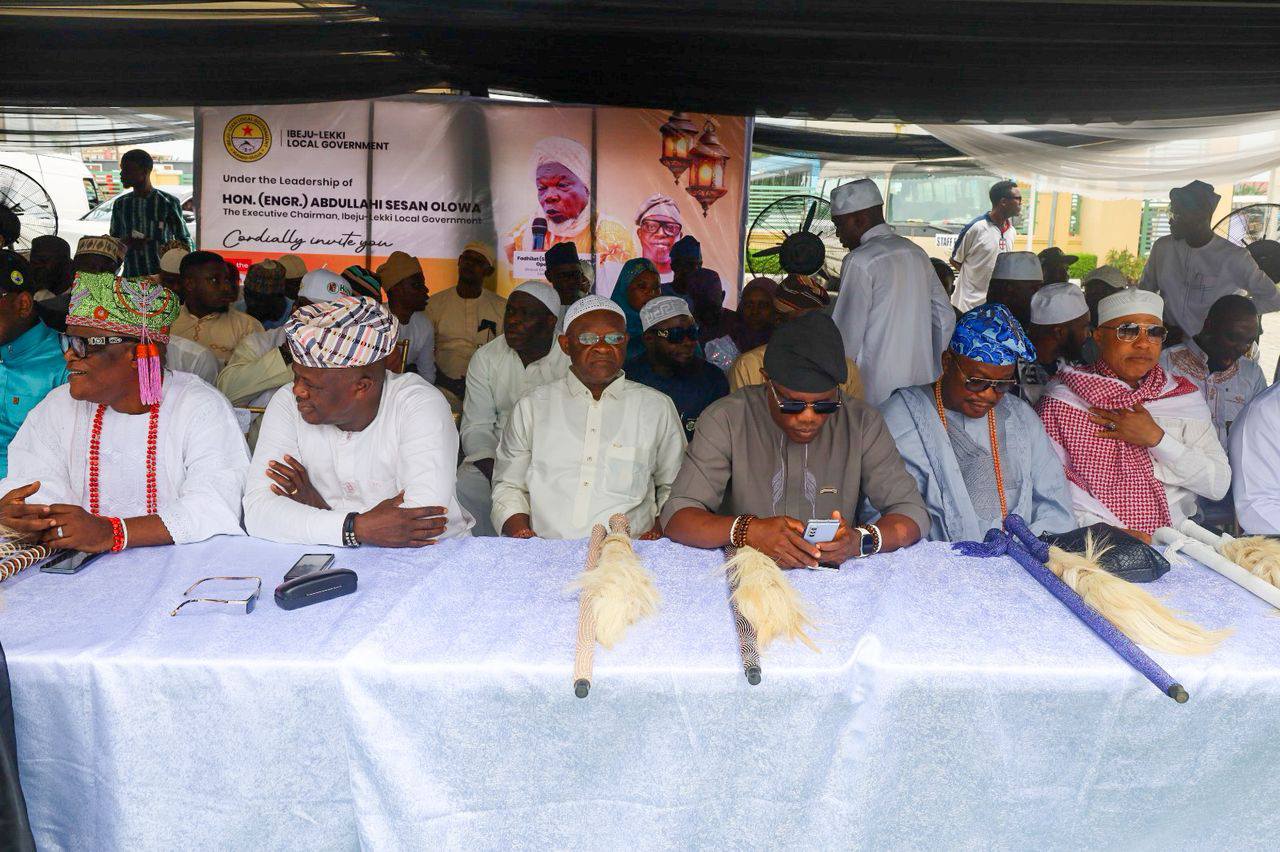
He stated that the council is determined to implement policies and programmes that will bring tangible benefits to residents.
The highlight of the gathering was a lecture delivered by Islamic scholar Abdulhakeem Soliu Oluwatosin.
Speaking on the topic “Democracy and Good Governance in Islam,” the cleric emphasized the importance of accountability, transparency, justice, and selfless service among leaders.
He urged elected and appointed public office holders to embrace ethical leadership and follow principles rooted in honesty and responsibility.
According to the scholar, leadership in Islam is guided by values that promote fairness, integrity, and compassion toward the people.
He noted that true leadership should reflect the prophetic model of responsibility and dedication to the welfare of the community.
The cleric also encouraged citizens to support leaders through prayers and positive engagement that contributes to societal progress.
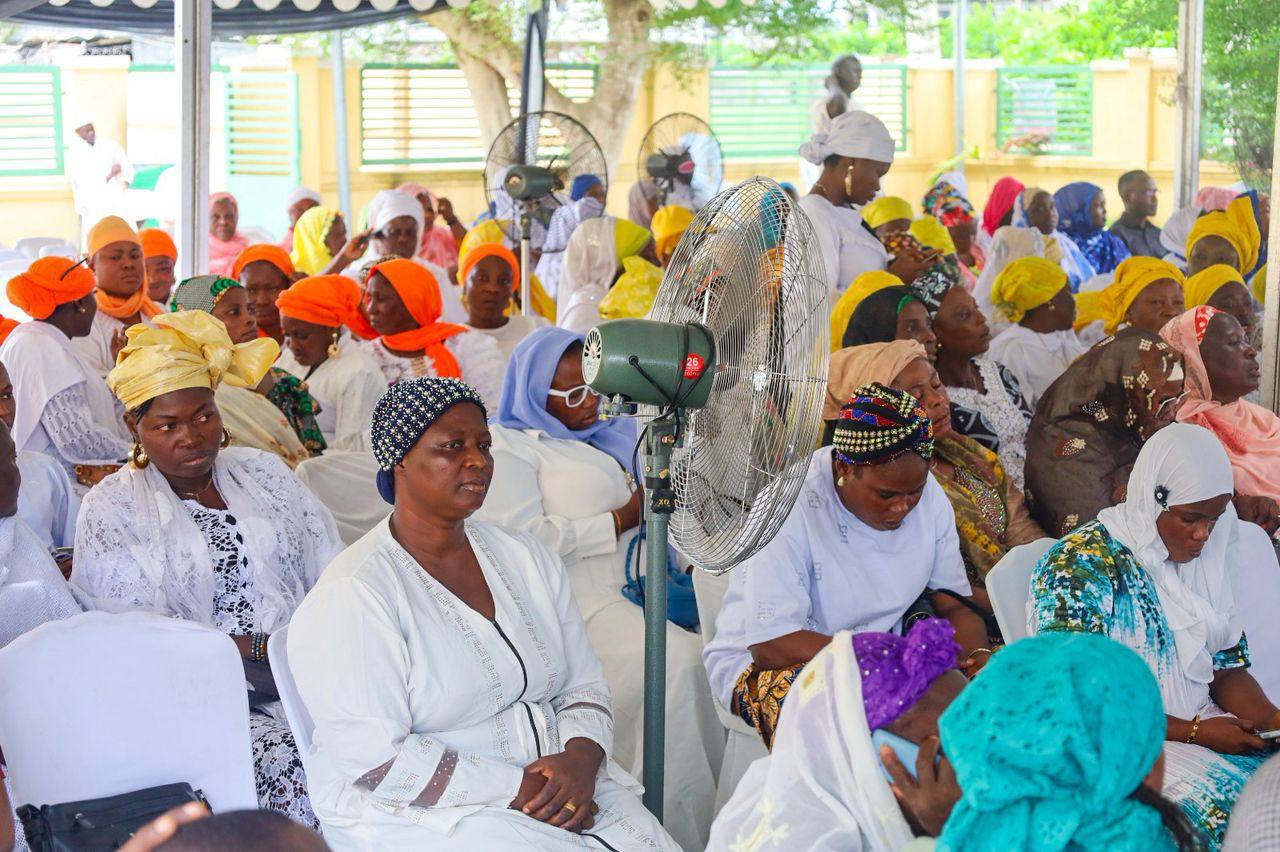
In the spirit of Ramadan generosity, food packs were distributed to attendees and vulnerable members of the community.
The distribution was coordinated by the Renewed Hope Agenda Ambassadors under the leadership of the Ibeju-Lekki coordinator, Adewale Raheem Kazeem.
The initiative was designed to support residents during the holy month and reinforce the values of compassion and communal solidarity.
Beneficiaries expressed appreciation for the gesture, noting that such initiatives help ease the burden on families during the fasting period.
Observers said the programme demonstrated the importance of collaboration between political leaders, religious institutions, and community stakeholders.
Participants described the gathering as a meaningful opportunity for reflection on the role of faith in leadership and governance.
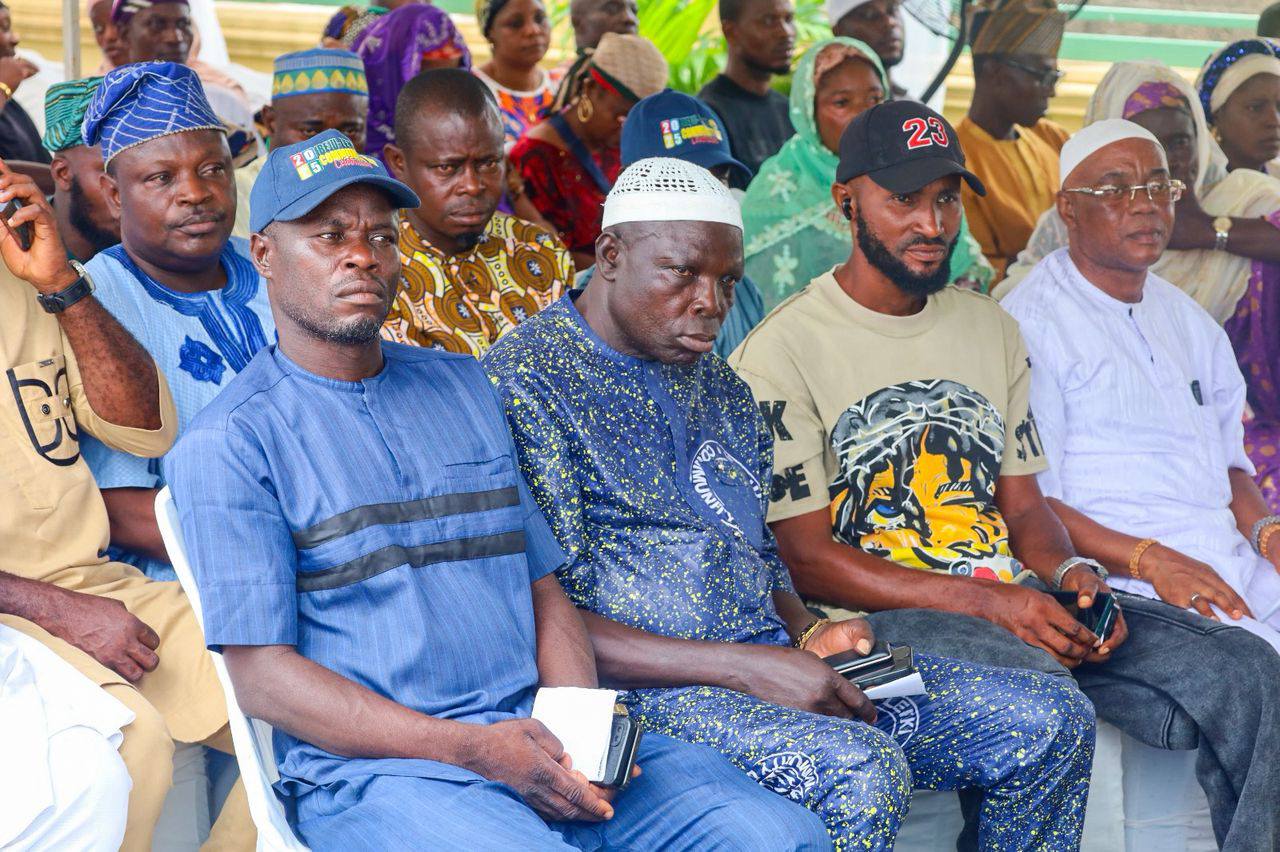
The event also highlighted the significance of Ramadan as a period for charity, discipline, and strengthening social bonds within communities.
Community leaders present at the programme commended the council chairman for organizing a platform that promotes moral values and civic responsibility.
They noted that spiritual gatherings like the Ramadan lecture help reinforce peace, unity, and collective commitment to development.
For many residents, the lecture served as a reminder that effective governance must be guided by integrity, faith, and dedication to the welfare of the people.
The event concluded with prayers for peace, stability, and continued development in Ibeju-Lekki and across Nigeria.