The National Youth Council of Nigeria (NYCN), Epe Local Branch, has convened a Youth Dialogue on Electricity to address the prolonged power outage affecting communities in Epe.
Epe Insights reports that the engagement brought together key stakeholders, government officials, and community representatives to deliberate on the challenges delaying electricity restoration and explore practical solutions.
The dialogue served as a platform for open discussions on the persistent blackout, with participants stressing the urgency of restoring power supply while also developing sustainable long-term strategies.
Stakeholders identified vandalization of power infrastructure, weak distribution systems, and operational inefficiencies as major obstacles hindering progress.
In his presentation, Comrade Kazeem Olayinka disclosed that efforts to restore electricity have been ongoing since December but have faced significant setbacks.
He attributed the slow progress to infrastructural limitations, security concerns, and lack of adequate cooperation from some stakeholders involved in the process.
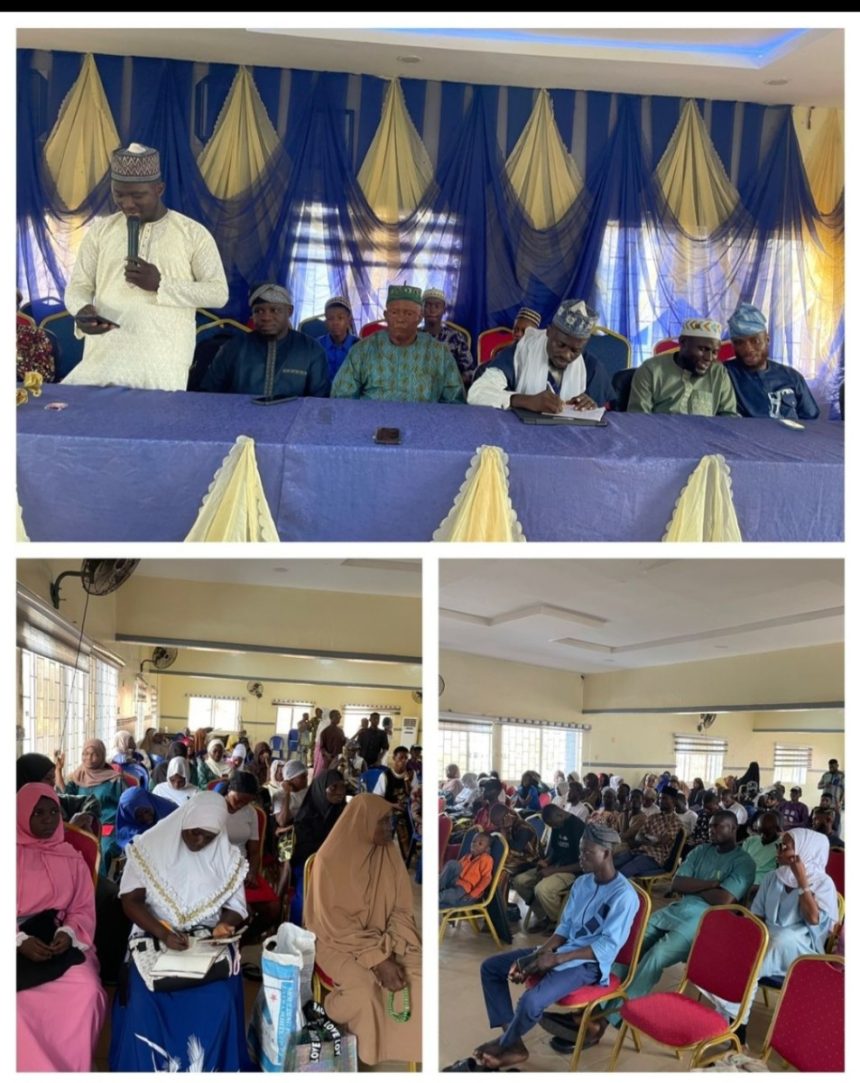
According to him, repeated engagements with relevant authorities have yielded minimal results due to operational constraints affecting implementation.
Comrade Olayinka also raised concerns about the role of electricity providers, particularly Ikeja Electric, stating that certain agreements were not fully executed.
He noted that commitments involving community participation in securing critical infrastructure were either delayed or not properly implemented.
Participants at the dialogue emphasized that without adequate protection of facilities, restoration efforts may continue to suffer setbacks.
Delivering the keynote address, Lagos State Commissioner for Energy and Mineral Resources, Biodun Ogunleye, highlighted the root causes of the crisis.
He identified vandalization, poor distribution infrastructure, and revenue recovery challenges as key factors responsible for the prolonged outage in Epe.
The commissioner stressed the need for a collaborative approach involving government agencies, electricity providers, and local communities.
He also called for improved infrastructure investment and stronger security measures to protect power installations from further damage.
Community leaders at the event expressed frustration over the extended blackout, noting its negative impact on businesses and daily living.
They urged relevant authorities to prioritize Epe in ongoing power restoration plans and ensure that timelines are clearly communicated.
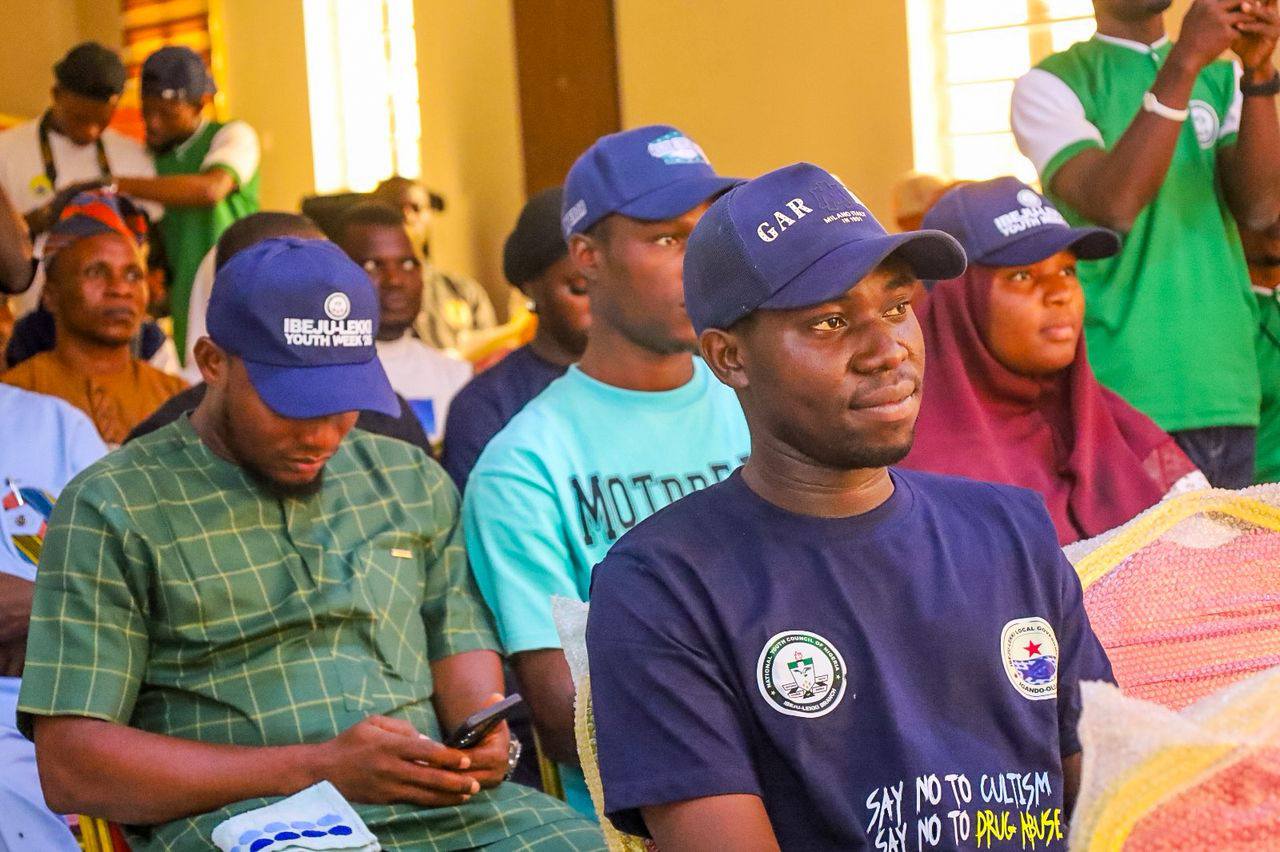
Youth representatives at the dialogue called for greater inclusion in decision-making processes, especially in areas related to infrastructure protection and community engagement.
They emphasized that empowering local youths could significantly reduce vandalization and enhance monitoring of electricity assets.
The NYCN Epe Local Branch reiterated its commitment to advocating for improved power supply and ensuring that the concerns of residents are heard.
Organizers described the dialogue as a step toward building consensus and fostering accountability among all stakeholders.
They expressed hope that the discussions would translate into actionable outcomes that will lead to the restoration of electricity in Epe.
Residents and stakeholders agreed that immediate intervention is needed to alleviate the hardship caused by the prolonged outage.
They also stressed the importance of long-term planning to prevent a recurrence of such challenges in the future.
The dialogue concluded with a collective call for urgent restoration of electricity and the implementation of sustainable measures to guarantee stable power supply.