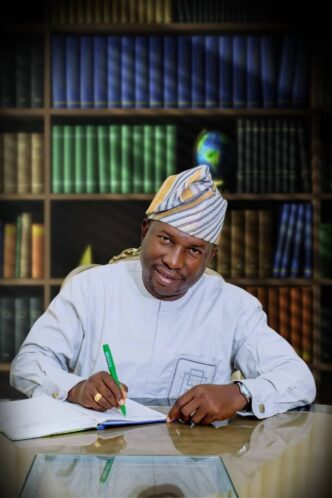

The Executive Chairman of Lekki LCDA, Engr. Rasaki Bamidele Kasali, has continued to demonstrate a strong commitment to improving healthcare access and services for residents across the council area.
Epe Insights reports that Kasali’s administration has made healthcare a significant part of its development agenda, recognising the challenges many residents face in accessing affordable and quality medical services.
The chairman’s approach goes beyond promises, with several healthcare interventions already supporting residents and strengthening facilities across Lekki LCDA.
One of the notable achievements is the sponsorship of surgeries for 59 residents who required medical assistance.
The intervention has provided important support to beneficiaries and their families while helping to reduce the financial burden associated with essential medical procedures.
The initiative reflects the administration’s emphasis on ensuring that residents receive support when they face significant healthcare needs.
Kasali’s healthcare agenda also includes various health missions and medical interventions conducted across communities within the council area.
These programmes are designed to bring healthcare support closer to residents and provide opportunities for people to access essential medical services within their communities.
The community-based approach demonstrates the administration’s understanding that effective healthcare delivery must respond to the realities of residents at the grassroots.
Beyond direct medical interventions, the council is also focusing on strengthening healthcare infrastructure.
The ongoing improvement of health facilities across Lekki LCDA forms part of efforts to create better environments for residents seeking medical attention.
The administration is also advancing the construction of a Type C Modern Primary Health Centre.
The project represents a major investment in the future of healthcare delivery within the council area.
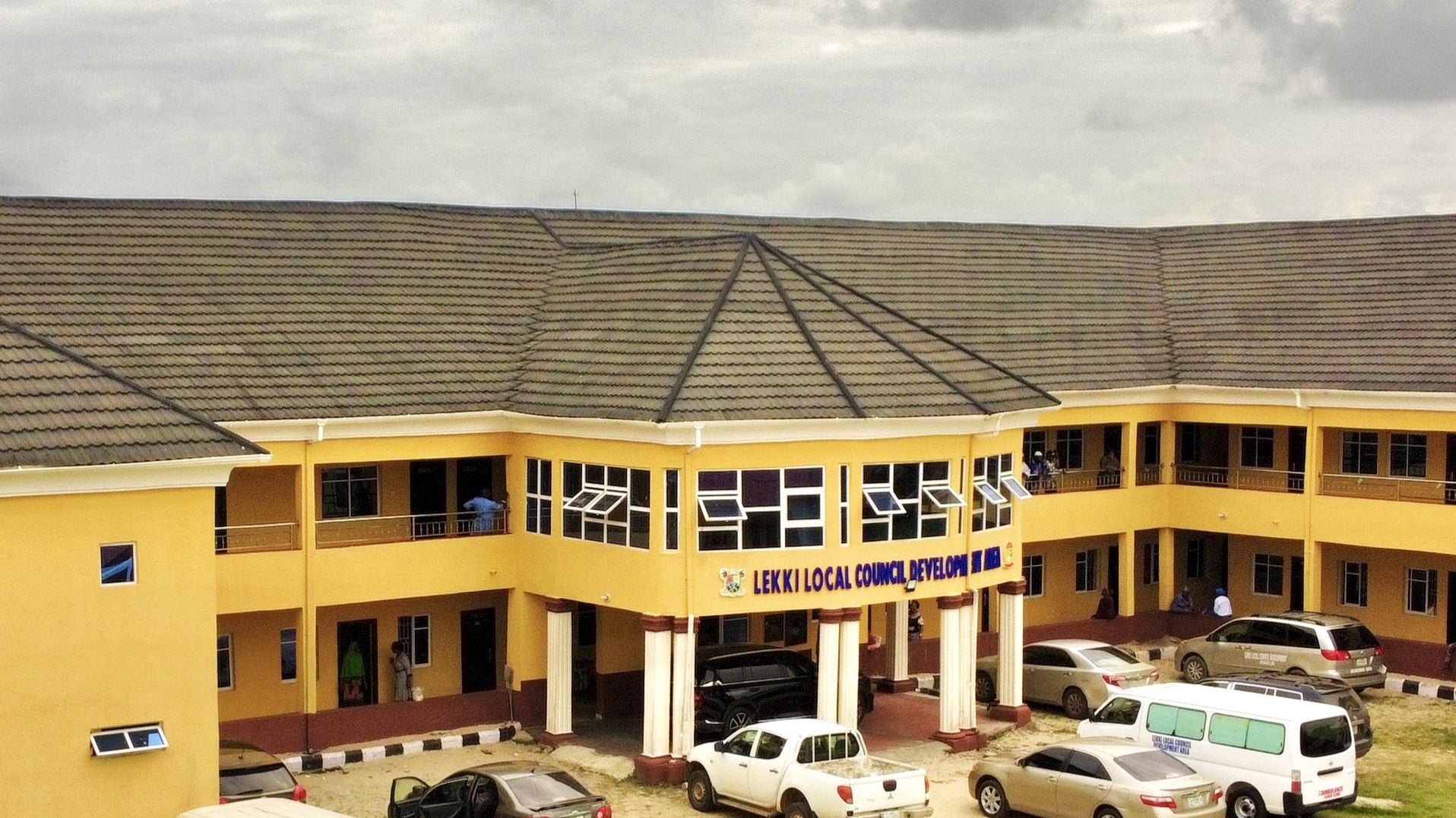
A modern primary health facility can expand access to essential services while providing residents with a more suitable environment for receiving care.
For Kasali, healthcare development is closely connected to the wellbeing and productivity of the people.
His administration has therefore continued to place emphasis on initiatives that can improve both access to healthcare services and the facilities through which they are delivered.
The chairman’s interventions also highlight the importance of combining immediate medical support with long-term infrastructure development.
While surgery sponsorships and health missions respond to immediate needs, facility improvements and new health centres provide a foundation for sustained healthcare delivery.
This balanced approach has positioned healthcare as an important component of the administration’s grassroots development efforts.
Residents in different communities stand to benefit from initiatives aimed at making healthcare services more accessible and responsive.
The health missions also provide an opportunity for communities to receive medical attention without necessarily travelling far from their homes.
Such interventions can be particularly valuable for residents who may experience financial or logistical challenges in accessing healthcare.
Kasali’s administration has also recognised the importance of maintaining existing healthcare facilities while developing new infrastructure.
Improving health centres can create better conditions for healthcare professionals and enhance the experience of residents who visit the facilities.
The ongoing healthcare efforts demonstrate a focus on both people and infrastructure.

Rather than viewing healthcare solely as a government responsibility, the administration has continued to encourage interventions that respond directly to community needs.
The sponsorship of surgeries for 59 residents is one example of this people-focused approach.
It shows how targeted assistance can make a meaningful difference in the lives of residents requiring specialised medical attention.
The various medical interventions across Lekki LCDA further reinforce the administration’s commitment to taking healthcare services closer to the people.
For many communities, accessible primary healthcare remains essential to maintaining healthy families and productive residents.
Kasali’s healthcare agenda is therefore built around the understanding that development must include the wellbeing of the people.
The construction of the Type C Modern Primary Health Centre is expected to further strengthen the council’s healthcare capacity when completed.
The project also demonstrates the administration’s willingness to invest in infrastructure that can serve residents beyond the immediate period.
With continued improvements, the council aims to create a healthcare system that is more accessible, dignified and responsive.
Kasali’s leadership has placed emphasis on ensuring that residents are not left without support when confronted with important healthcare needs.
The administration’s interventions also reflect the importance of community-based healthcare in improving the quality of life at the grassroots.
Healthcare remains an area where sustained investment is necessary, and the council’s ongoing programmes provide a platform for continued improvement.
The combination of medical assistance, health missions, facility upgrades and new construction demonstrates a comprehensive approach to healthcare development.
For the people of Lekki LCDA, such interventions can provide greater confidence in the availability of healthcare support within their communities.
The chairman’s commitment has also reinforced the importance of making healthcare part of the broader development conversation.
A healthy population is better positioned to pursue education, employment, entrepreneurship and other opportunities that contribute to community development.
Kasali’s focus on healthcare therefore extends beyond medical services to the wider wellbeing of residents.
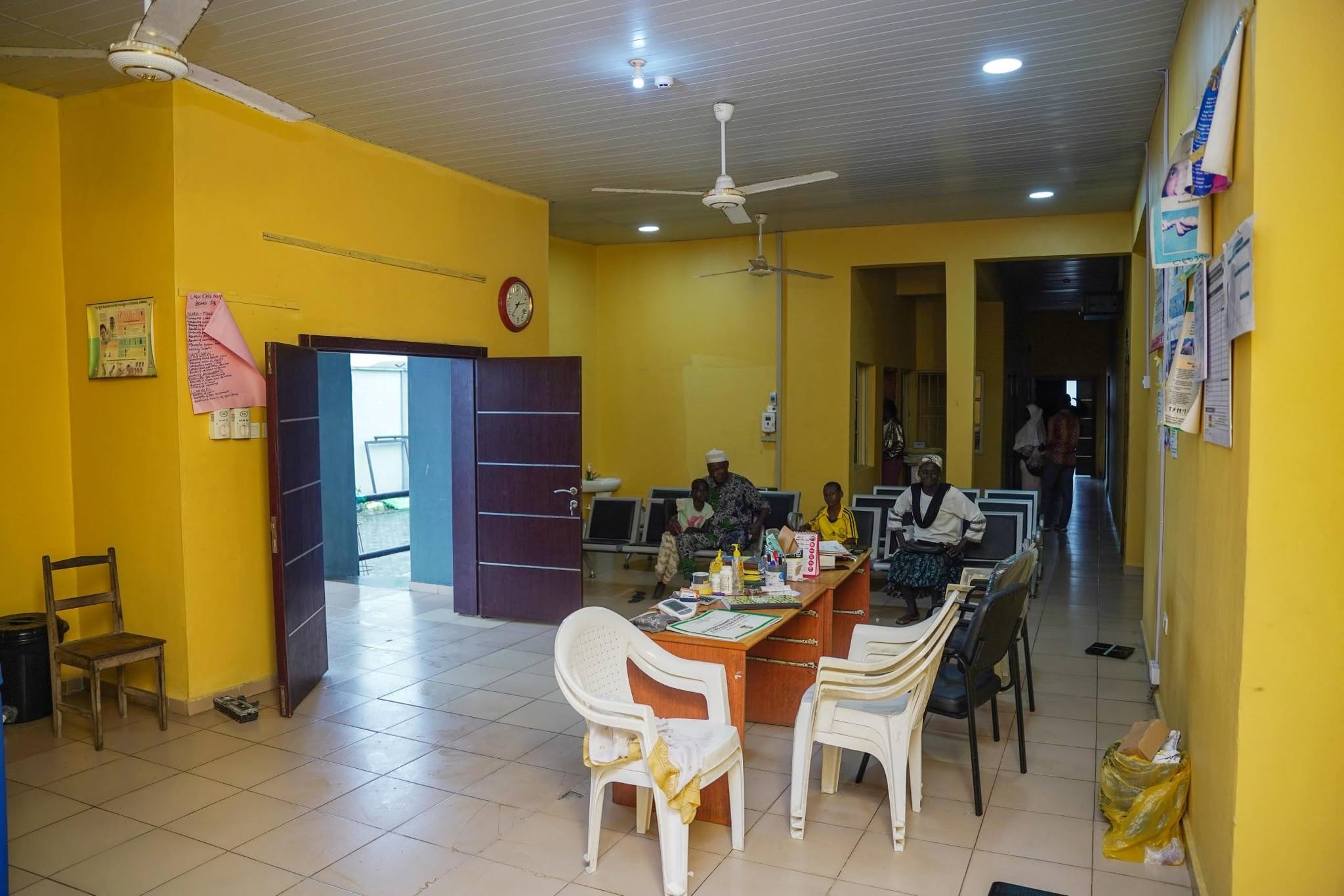
As the administration continues its programmes, sustained attention to primary healthcare infrastructure and community medical interventions will remain important.
The ongoing construction of the Type C Modern Primary Health Centre is expected to add further capacity to the council’s healthcare network.
The 59 sponsored surgeries and various health missions also provide evidence of direct interventions aimed at supporting residents.
Together, these initiatives demonstrate an administration seeking to address healthcare from both the infrastructure and human needs perspectives.
Kasali has continued to emphasise that healthcare should be accessible, affordable and responsive to the people.
His administration’s ongoing interventions provide a practical reflection of that commitment.
As Lekki LCDA continues to develop, sustained investment in healthcare will remain essential to ensuring that residents benefit from the council’s growth.
The Kasali administration’s healthcare drive therefore represents an important component of its broader commitment to improving the quality of life across Lekki LCDA.