The Department of Adult and Special Education, College of Specialized and Professional Education, Lagos State University of Education (LASUED), has launched a literacy advocacy campaign across Epe Division as part of activities marking the 2026 World Literacy Day.
Epe Insights reports that the campaign is aimed at promoting literacy, expanding access to education and encouraging residents to take advantage of available opportunities to improve their reading, writing and learning skills.
The initiative forms part of LASUED’s efforts to take literacy advocacy beyond academic institutions and closer to communities where many people may have limited access to formal education.
Speaking on the campaign, the Head of Department, Adult and Special Education, LASUED, Dr. Temitope Rasheedat Aromolate, said the department remains committed to promoting teaching and learning for different categories of people.
She explained that the department’s focus covers adults who are not literate as well as children with special educational needs.
According to her, education should remain accessible to people across different backgrounds and circumstances, particularly those who may not have had the opportunity to receive formal education.
Aromolate stressed that literacy should not be viewed only as the ability to read and write. She described it as an important tool for personal development, participation and improved quality of life.
She noted that individuals with literacy skills are better positioned to understand information, communicate effectively and participate meaningfully in their communities.
The LASUED lecturer further emphasised the importance of creating opportunities that allow people to continue learning regardless of their age or previous educational experience.
She said the department would continue to support initiatives that promote inclusive education and provide learning opportunities for people who have been left outside the conventional education system.
The campaign also highlighted the importance of adult learning centres established across Epe Division.
Associate Professor Adejoke Ajayi, who also spoke on the initiative, provided insight into the department’s literacy advocacy efforts and identified some of the adult learning centres operating across the division.

She encouraged residents who did not have the opportunity to acquire formal education to make use of the available centres.
Ajayi urged members of the public to see adult education as an opportunity for personal improvement rather than as a limitation based on age or previous circumstances.
She explained that acquiring literacy skills can open new opportunities for individuals and strengthen their ability to contribute to their families and communities.
The advocacy campaign therefore seeks to create greater awareness about the learning opportunities available to adults within Epe Division.
It also provides an opportunity for residents to understand the role of literacy in building more informed and productive communities.
The involvement of LASUED’s Department of Adult and Special Education underscores the importance of connecting higher education institutions with grassroots communities.
Through such engagement, academic expertise can be directed towards addressing educational needs within local communities.
The campaign also draws attention to the need for sustained investment in adult education and special education.
For residents who missed out on formal schooling, accessible learning centres can provide an avenue to acquire basic literacy skills and continue their educational journey.
The initiative is particularly relevant to adults who may require flexible learning opportunities that fit around their daily responsibilities.
By encouraging residents to enrol in available centres, LASUED is seeking to strengthen participation in literacy programmes across Epe Division.
The department’s message also reflects the wider significance of World Literacy Day, which provides an opportunity to promote awareness about the value of education and lifelong learning.
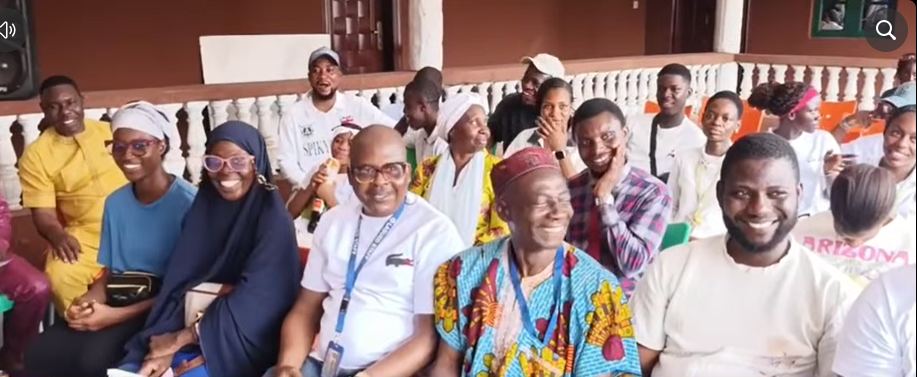
For Epe Division, the campaign offers an opportunity to deepen community awareness and encourage more residents to embrace available educational resources.
Aromolate and Ajayi both encouraged residents to take advantage of the opportunities provided through adult learning centres.
Their message is that literacy remains essential to individual empowerment, community participation and sustainable development.
The advocacy campaign is expected to further encourage conversations around inclusive education while drawing attention to the needs of adults and children requiring specialised learning support.
LASUED’s engagement with communities across Epe Division also demonstrates the potential of collaboration between educational institutions and local residents in addressing grassroots educational needs.
As the 2026 World Literacy Day activities continue, the department is encouraging residents who need literacy support to identify and utilise the learning centres available within their communities.
The campaign ultimately seeks to promote a culture of learning in which every individual has an opportunity to acquire knowledge, develop useful skills and participate more effectively in society.