

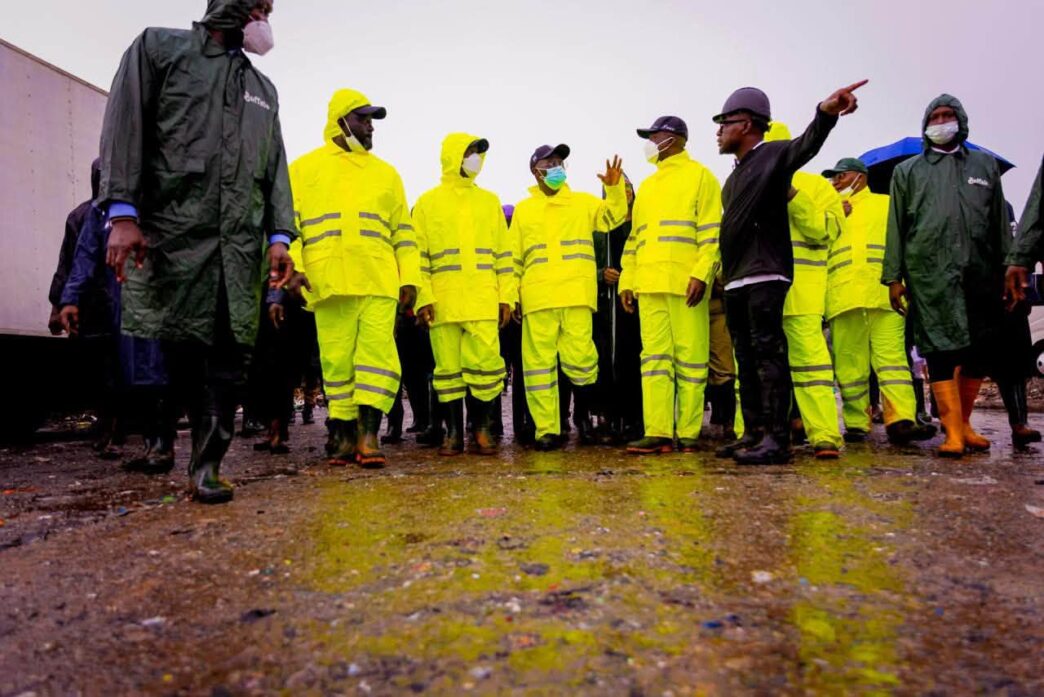
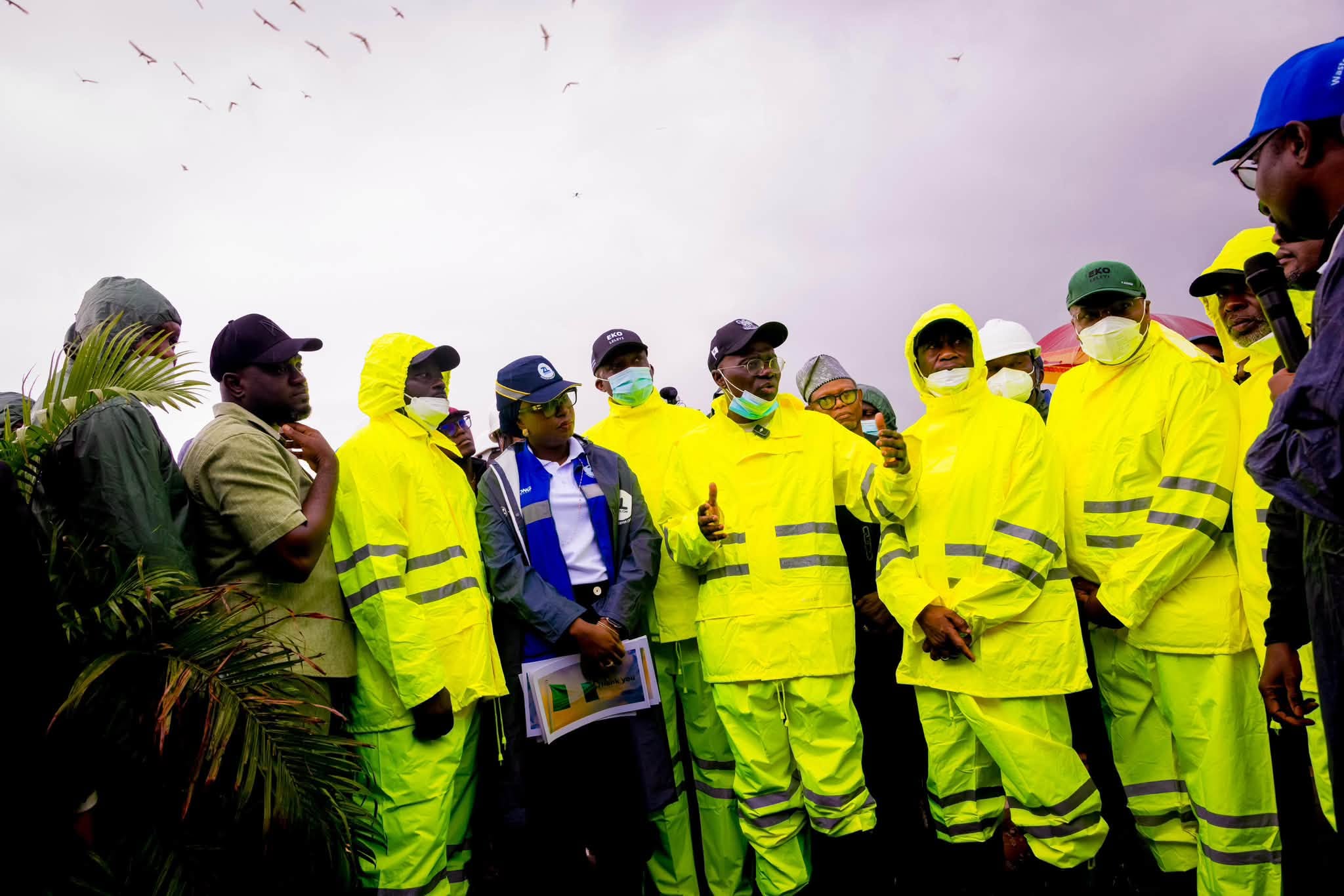
Lagos State Deputy Governor, Dr. Obafemi Hamzat, has joined Governor Babajide Sanwo-Olu on an inspection tour of the Olusosun dumpsite to assess waste management operations and identify key challenges requiring attention.
Epe Insights reports that Hamzat said the inspection provided an opportunity for the state leadership to see the challenges on the ground firsthand and identify the core issues requiring attention.
According to Hamzat, the administration is focused on addressing the fundamental problems within the waste management system rather than relying only on temporary solutions.
He said the government is committed to developing a waste management system that works effectively for residents and contributes to cleaner neighbourhoods across Lagos.
The inspection at the Olusosun dumpsite forms part of efforts by the state government to assess waste management operations and improve the overall handling of refuse.
Hamzat emphasised the need for practical solutions that can deliver lasting improvements to waste management across the state.
He noted that addressing the core challenges is necessary to ensure that waste collection and disposal systems can function more effectively.
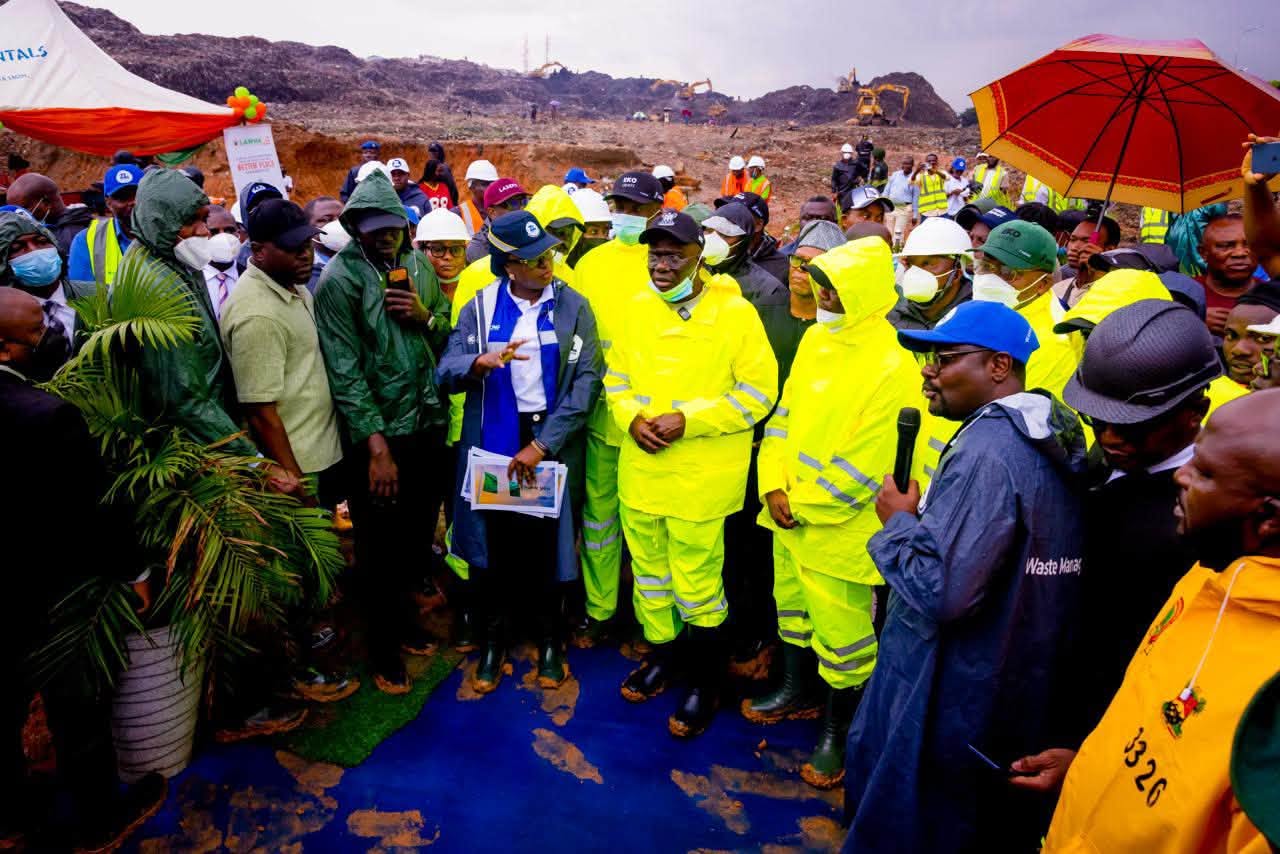
The Deputy Governor also stressed the importance of residents’ cooperation in achieving the government’s cleanliness objectives.
He appealed to Lagos residents to play their part by disposing of their waste responsibly and using appropriate channels for waste disposal.
According to him, government efforts can achieve better results when residents also demonstrate responsibility in the way they handle and dispose of waste.
The appeal highlights the shared responsibility between government agencies and residents in maintaining clean and healthy communities.
Hamzat said the administration remains fully committed to building a system capable of keeping neighbourhoods cleaner and improving the environment for residents.
The government’s approach, as outlined by Hamzat, is centred on identifying operational challenges and implementing solutions that address their underlying causes.
Rather than focusing solely on quick fixes, the administration intends to tackle the problems affecting the effectiveness of waste management operations.
The Olusosun dumpsite remains an important part of Lagos’ waste management infrastructure, making regular assessment of its operations significant to the wider environmental management system.
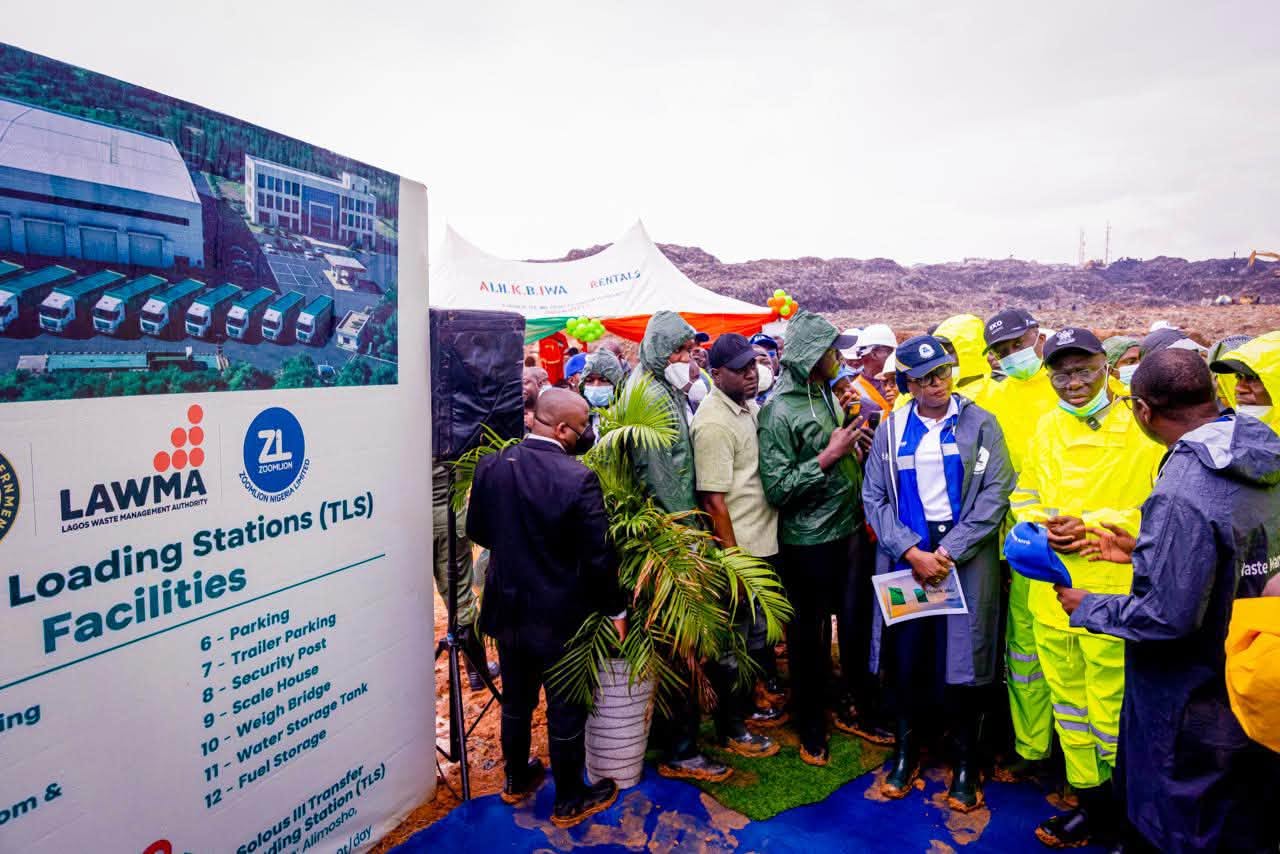
The inspection also provided an opportunity for the state leadership to observe conditions at the facility and consider areas requiring improvement.
Hamzat’s remarks indicate that the administration recognises the need for sustained attention to waste management as Lagos continues to grow.
Effective waste management is essential to maintaining orderly communities and protecting the quality of the urban environment.
For residents, improved waste management can contribute to cleaner streets, neighbourhoods and public spaces.
However, the Deputy Governor made clear that government intervention must be supported by responsible behaviour from members of the public.
Proper disposal of waste remains an important part of maintaining the cleanliness of communities.
Residents therefore have a role to play in ensuring that waste is handled appropriately and disposed of through recognised channels.
The government’s commitment to addressing core waste management challenges is also expected to strengthen efforts towards creating a more functional and sustainable system.
Hamzat said the administration is not interested in simply applying temporary patches to existing challenges.
Instead, the focus is on finding solutions that can improve the system and deliver meaningful results for Lagos residents.
The inspection of the Olusosun dumpsite reflects the importance attached to understanding operational realities before implementing corrective measures.
It also demonstrates the need for continued monitoring and evaluation of waste management activities across the state.
As the administration works to improve the system, public cooperation remains essential to achieving its cleanliness objectives.
Residents can support the effort by disposing of their waste responsibly and avoiding practices that undermine waste management operations.
The state government’s message is therefore twofold: authorities must address the structural challenges within the system, while residents must take responsibility for their waste.
Hamzat reaffirmed the administration’s determination to build a waste management system that serves Lagos residents more effectively.
The commitment, he said, is aimed at ensuring cleaner neighbourhoods and creating a system that works for the people.
The Olusosun inspection has consequently brought renewed attention to the need for practical, sustainable solutions to Lagos’ waste management challenges.
With government action and responsible public participation, the administration hopes to achieve cleaner and better-managed communities across Lagos State.


