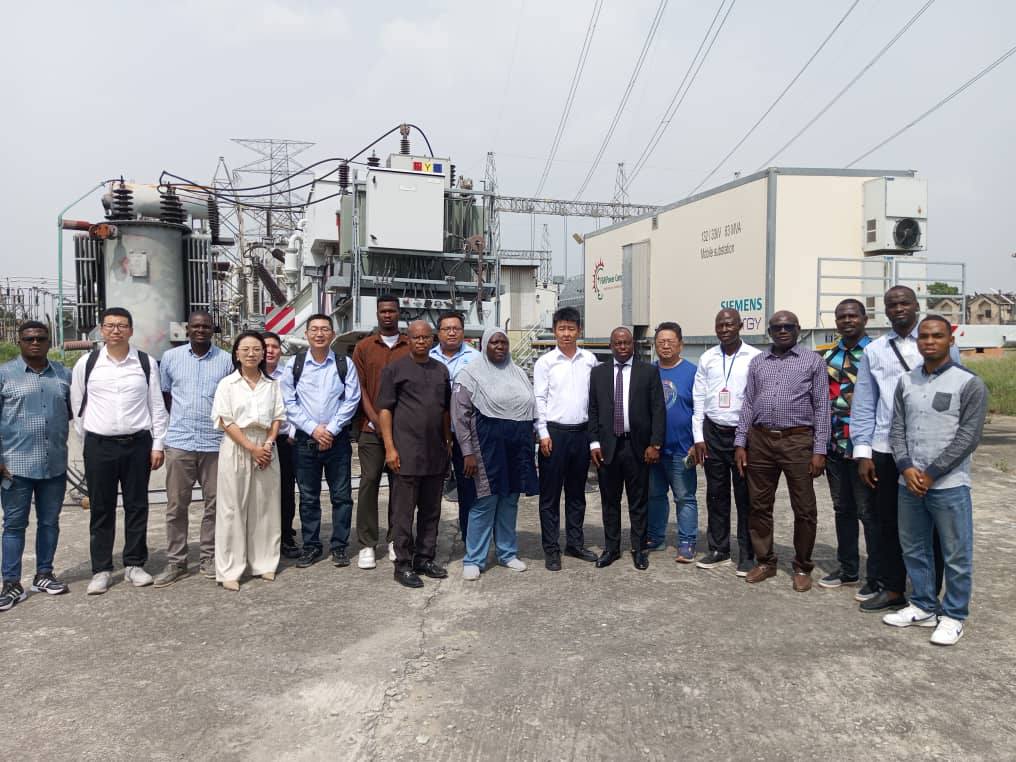
The Lagos State Government, through the Ministry of Energy and Mineral Resources, has issued a public notice announcing the commencement of activities for the Ajah–Ibeju-Lekki (Eleko) Junction Community Electrification Project. The initiative is aimed at addressing long-standing electricity challenges affecting communities along the Lekki-Ibeju corridor.
Epe Insights reports that the project is being implemented in collaboration with the Federal Government of Nigeria Power Company as part of the state’s sustainable development agenda. The intervention aligns with the State Urban and Regional Planning and Development Law, 2019 (as amended), and focuses on strengthening power infrastructure across the axis.
According to the notice, residents and businesses within Lekki and Ibeju-Lekki have experienced persistent power shortages for over 15 to 20 years. The government stated that the electrification project represents a decisive effort to provide a permanent and sustainable solution to unreliable electricity supply in the affected communities.
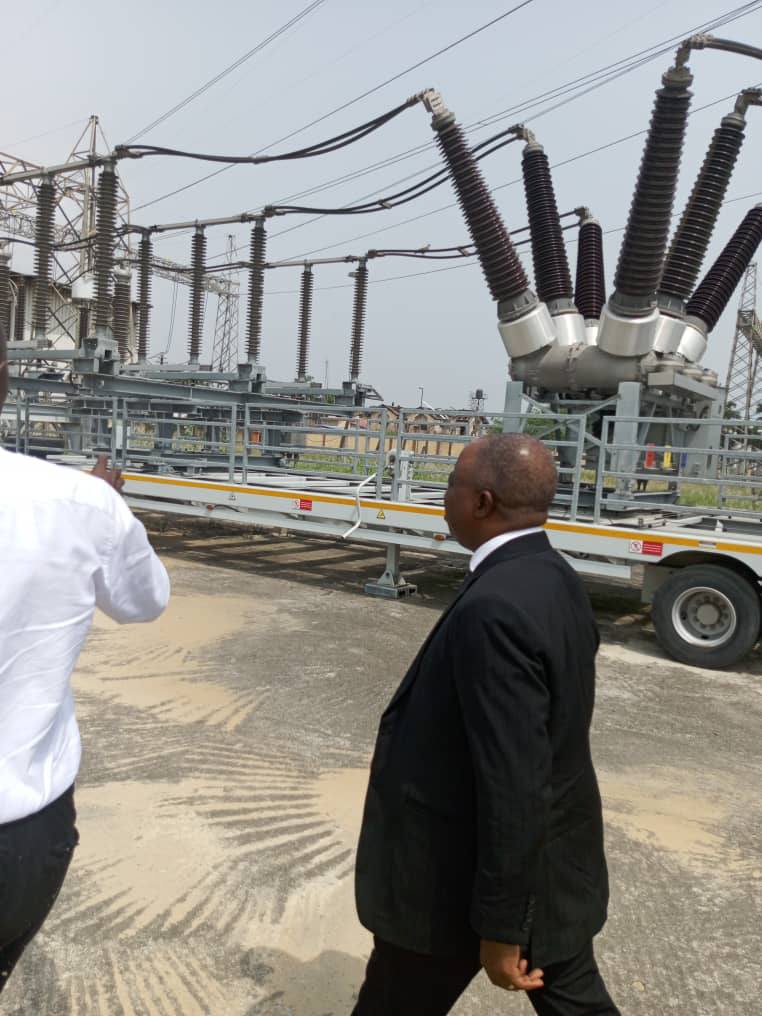
As part of the project, the state will facilitate the Right of Way (RoW) for the installation of a 132kV bulk power transmission line extending from the Ajah Transmission Substation to Eleko Junction. The transmission line will cover approximately 38 kilometres with an adjusted RoW width of 104 metres to accommodate critical infrastructure requirements.
In addition, a 132kV injection substation will be constructed at Eleko Junction to improve power distribution efficiency and enhance grid reliability across the corridor. The intervention is expected to significantly improve electricity access for residents, businesses, and essential infrastructure within the Lekki-Ibeju axis.

The Lagos State Government noted that the project will contribute to economic growth, improved quality of life, and sustainable development in the rapidly expanding corridor. Authorities emphasized that reliable power supply remains central to attracting investment and supporting ongoing urban expansion.
The government also appealed to affected communities, landowners, and stakeholders to cooperate with project officials to ensure smooth execution. It assured the public that all activities will be conducted in compliance with relevant laws, with due consideration for safety and community interests.