Residents and stakeholders in Epe have called for stronger grassroots interventions in the proposed 2027 Lagos State budget, with emphasis on children living with disabilities, youth vocational training and support for vulnerable groups.
Epe Insights reports that the calls were made during the Lagos State Government’s five-day Y2027 Budget Consultative Forum, which concluded with engagements in Ikorodu and Epe after consultations across the state’s five divisions.
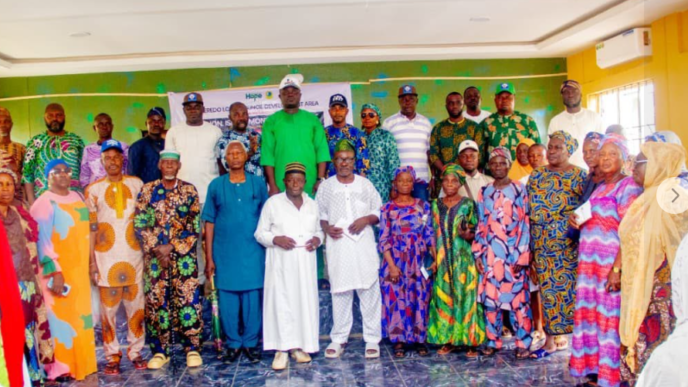
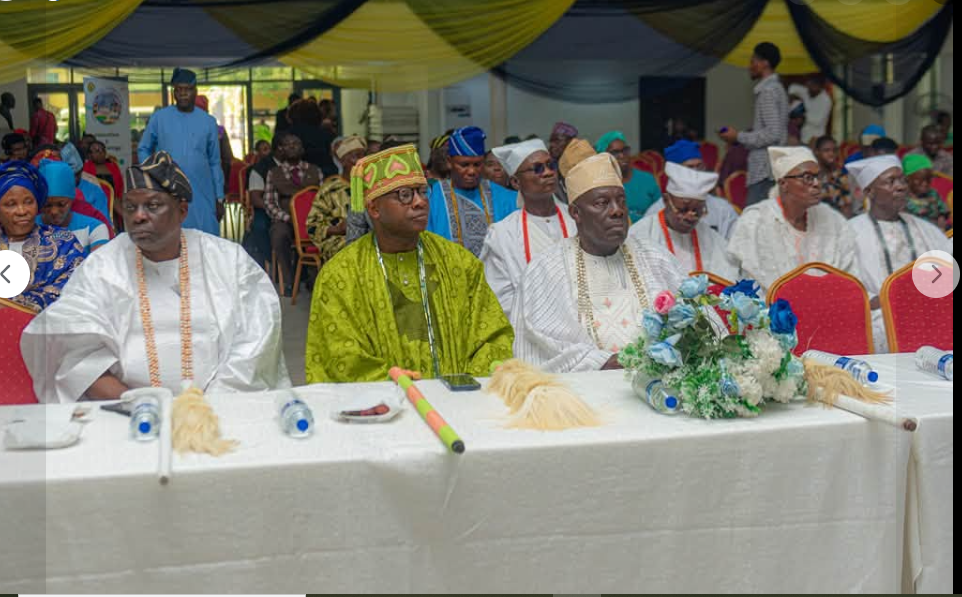
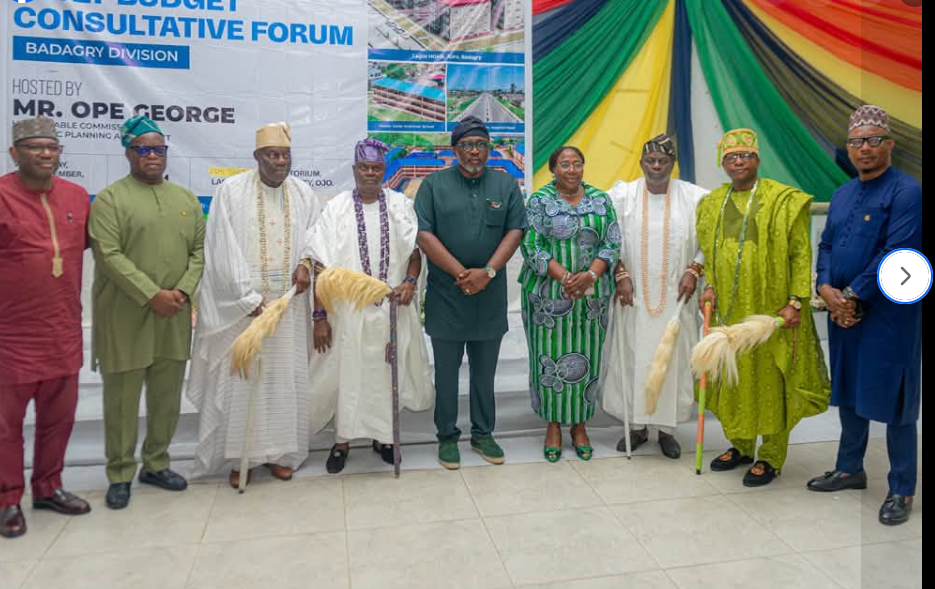
The Epe session was held at the Jubilee Chalet, where traditional rulers presented their development proposals to representatives of the state government.
The consultation also provided residents and stakeholder groups with an opportunity to highlight specific challenges affecting families, young people and children.
Mrs. Bolanle Mustapha, a mother of a child with a spinal cord condition, appealed for increased government support for children living with disabilities.
Mustapha called for greater assistance in education, learning materials and vocational development for children and young people with disabilities.
She explained that some children with disabilities face difficulties accessing schools and obtaining the materials required for their education.
According to her, her own child had completed secondary education and was undergoing vocational training but needed tools to continue learning the trade.
She appealed for government assistance to help families meet such needs and enable young people with disabilities to develop productive skills.
Mustapha, who identified herself as a member of the Spinal Cord Injuries Association of Nigeria, also highlighted the financial pressures associated with caring for people living with disabilities.
She urged the government to include stronger support measures for children and families affected by disability in the 2027 budget.
Youth representatives also used the consultation to seek broader opportunities for young people across different educational and employment backgrounds.
Victor Kolade Adobajale, Public Relations Officer of the National Youth Council of Nigeria, Lagos State Chapter, called for youth programmes that cater to both graduates and young people without tertiary education.
Adobajale said vocational training should receive greater attention as part of efforts to equip young people with practical skills.
He also proposed the integration of vocational training into the secondary-school curriculum.
According to him, young people should have opportunities to acquire practical skills that could support their transition into employment, entrepreneurship and other productive activities.
The concerns raised at the forum also drew attention from development stakeholders involved in child and social policy.
Mr. Mohammed Okorie, Social Policy Manager, UNICEF Nigeria, Lagos Office, stressed the importance of citizen participation in budget planning.
Okorie said direct engagement with residents allows government to better understand community priorities and identify areas requiring attention in public spending.
He also noted that consultations provide an opportunity for government to report back on how requests raised during previous budget cycles have been addressed.
The UNICEF representative placed particular emphasis on ensuring that children’s interests are reflected in the budget process.
He identified child health, nutrition, water, sanitation and hygiene, education, immunisation and malnutrition among areas requiring attention.
The Permanent Secretary, Ministry of Economic Planning and Budget, Mrs. Olayinka Ojo, described the consultation process as an avenue for feedback, accountability and evidence-based engagement.
Ojo said requests from stakeholders would be documented, reviewed and prioritised before being considered for possible inclusion as government interventions.
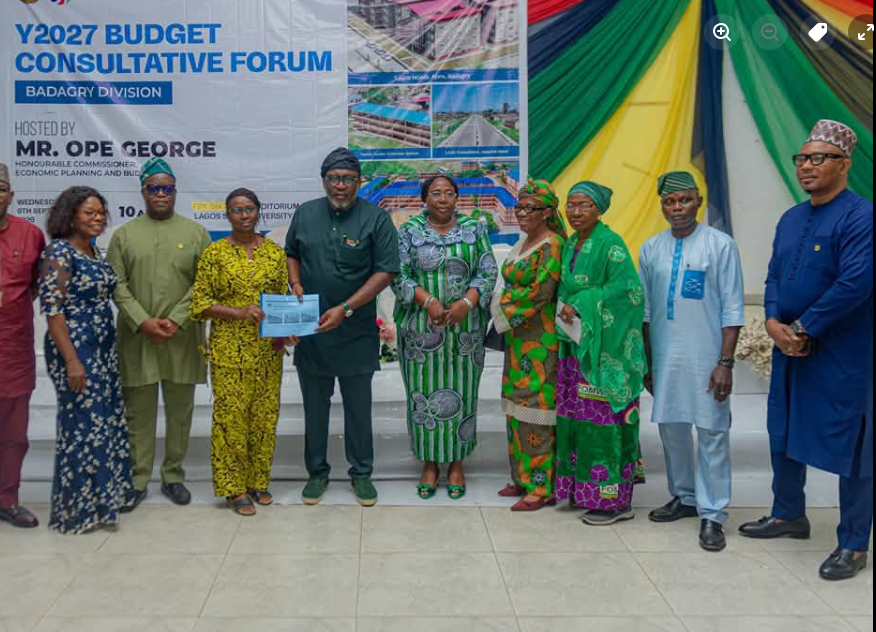
The Commissioner for Economic Planning and Budget, Mr. Ope George, had earlier explained that the divisional consultations form part of the process of preparing the 2027 Lagos State budget.
According to George, the engagements allow government to receive fresh priorities from residents while also reviewing requests and projects arising from previous consultations.
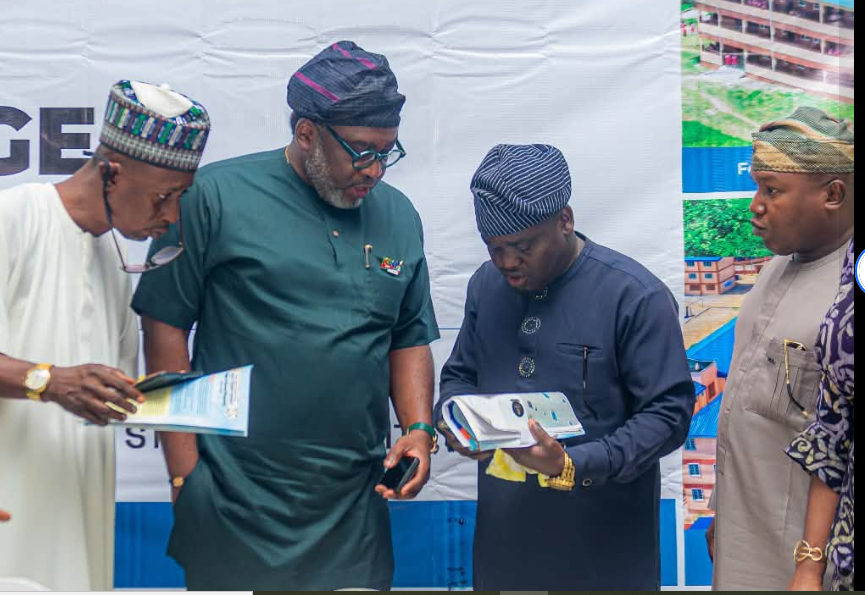
The Epe and Ikorodu sessions also featured updates on infrastructure projects being implemented within the two divisions.
In Epe, highlighted projects included road interventions and other infrastructure initiatives aligned with the Lagos State Development Plan 2052.
Developments around the approved new Lekki Airport were also referenced during the engagement.
Other projects highlighted included Mogaji Street in Erepoto, Hon. Sanni Road in Iraye, Epe, and Kayode Adesanya Street.
The ongoing Omu Creek Link Road and Bridge, Phase 1, in Ibeju-Lekki was also listed among the infrastructure projects highlighted during the consultations.
The forum ultimately provided a platform for residents, traditional institutions, youth representatives and development stakeholders to present priorities for consideration in the 2027 budget.
The issues raised ranged from disability support and vocational development to child welfare, education, healthcare, nutrition, water and infrastructure.
As the budget preparation process continues, the proposals presented during the consultations are expected to undergo government review and prioritisation.
The engagement reinforces the role of public consultation in identifying community needs and informing the state’s budget planning process.