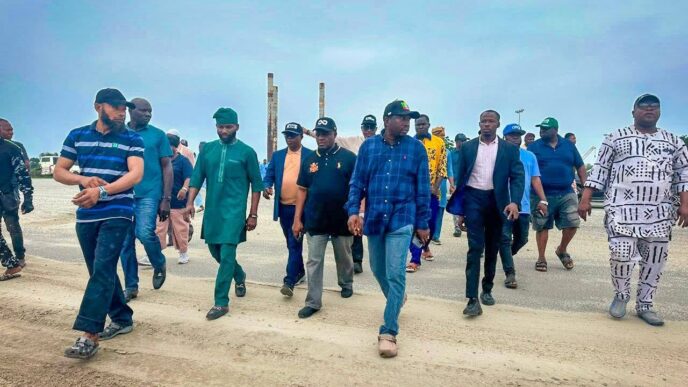
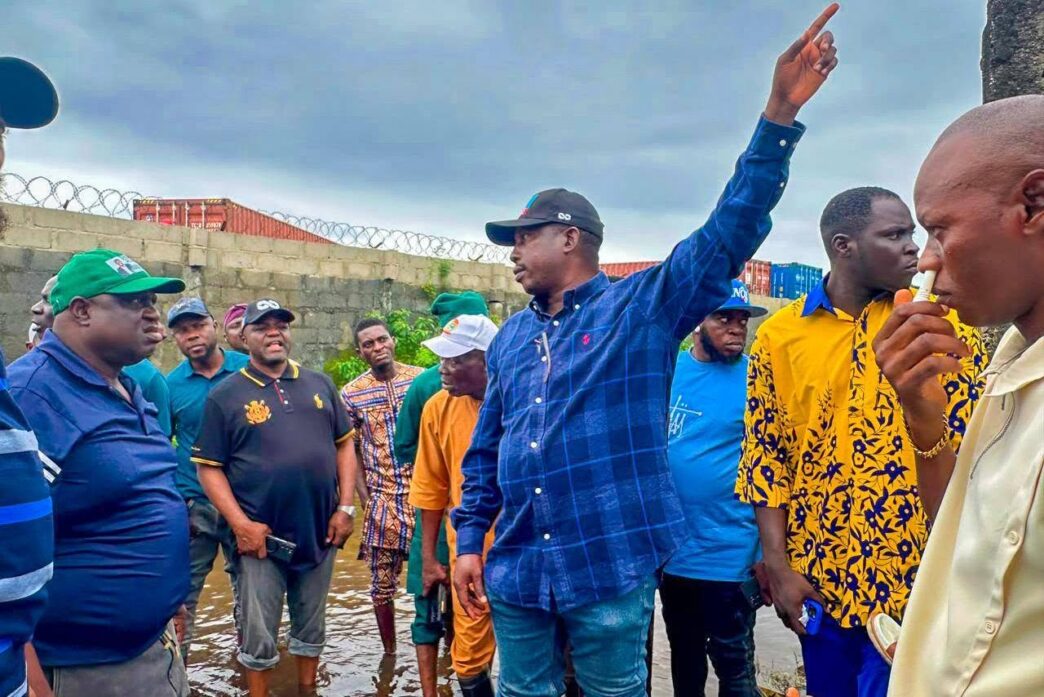
The Executive Chairman of Lekki Local Council Development Area (LCDA), Engr. Rasaki Bamidele Kasali (MNSE, MNATE), has led a high-powered delegation on an assessment tour of flood-affected communities to evaluate the impact of recent flooding and identify practical solutions.
Epe Insights reports that the assessment exercise brought together key government officials, lawmakers and community stakeholders to inspect affected areas, engage residents and develop coordinated strategies to address flooding challenges across Lekki LCDA.
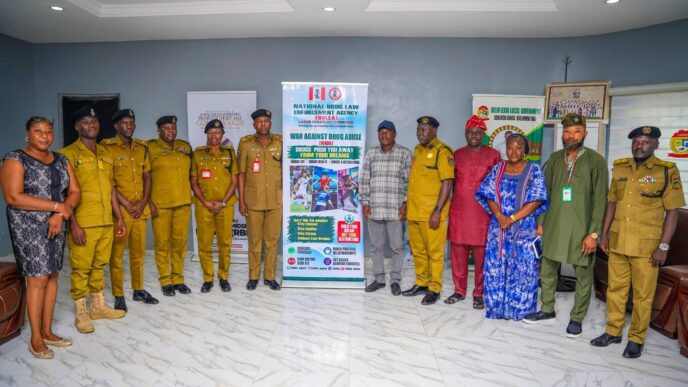
The inspection team included the Member representing Ibeju-Lekki Federal Constituency, Prince Bayo Balogun, and the Member representing Ibeju-Lekki Constituency II in the Lagos State House of Assembly, Hon. Oladele Ajayi.
Also on the tour were the Executive Chairman of Ibeju-Lekki Local Government, Hon. Abdullahi Sesan Olowa, the Special Adviser to the Governor on Taxation, Hon. Abdulkabir Ogungbo, and the Secretary to the Local Government, Dr. Bukola Lawal.
Council Supervisors, Community Development Association leaders and other critical stakeholders also joined the assessment to evaluate the situation and interact with residents.
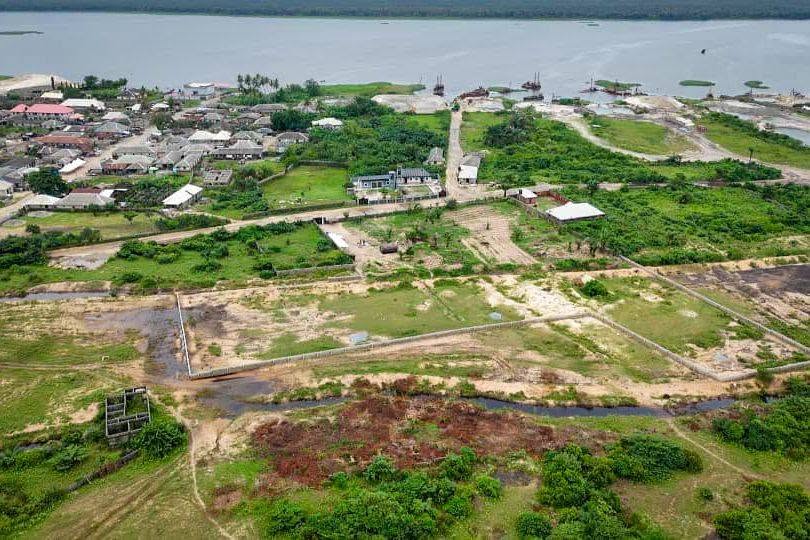
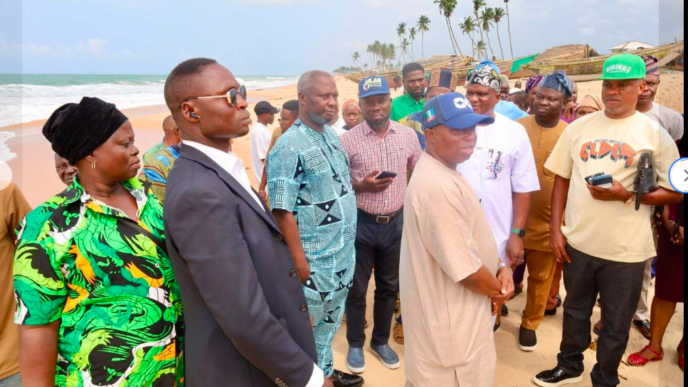
The delegation visited several flood-affected communities and strategic locations, including the Naval Forward Operating Base (FOB), Lekki, Ebute Lekki, Magbon Segun and adjoining areas.
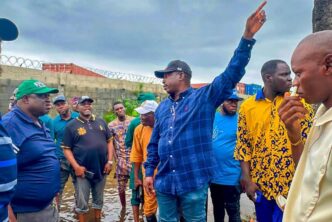
During the visits, members of the delegation assessed the extent of the flooding and observed its impact on roads, homes, businesses and public infrastructure.
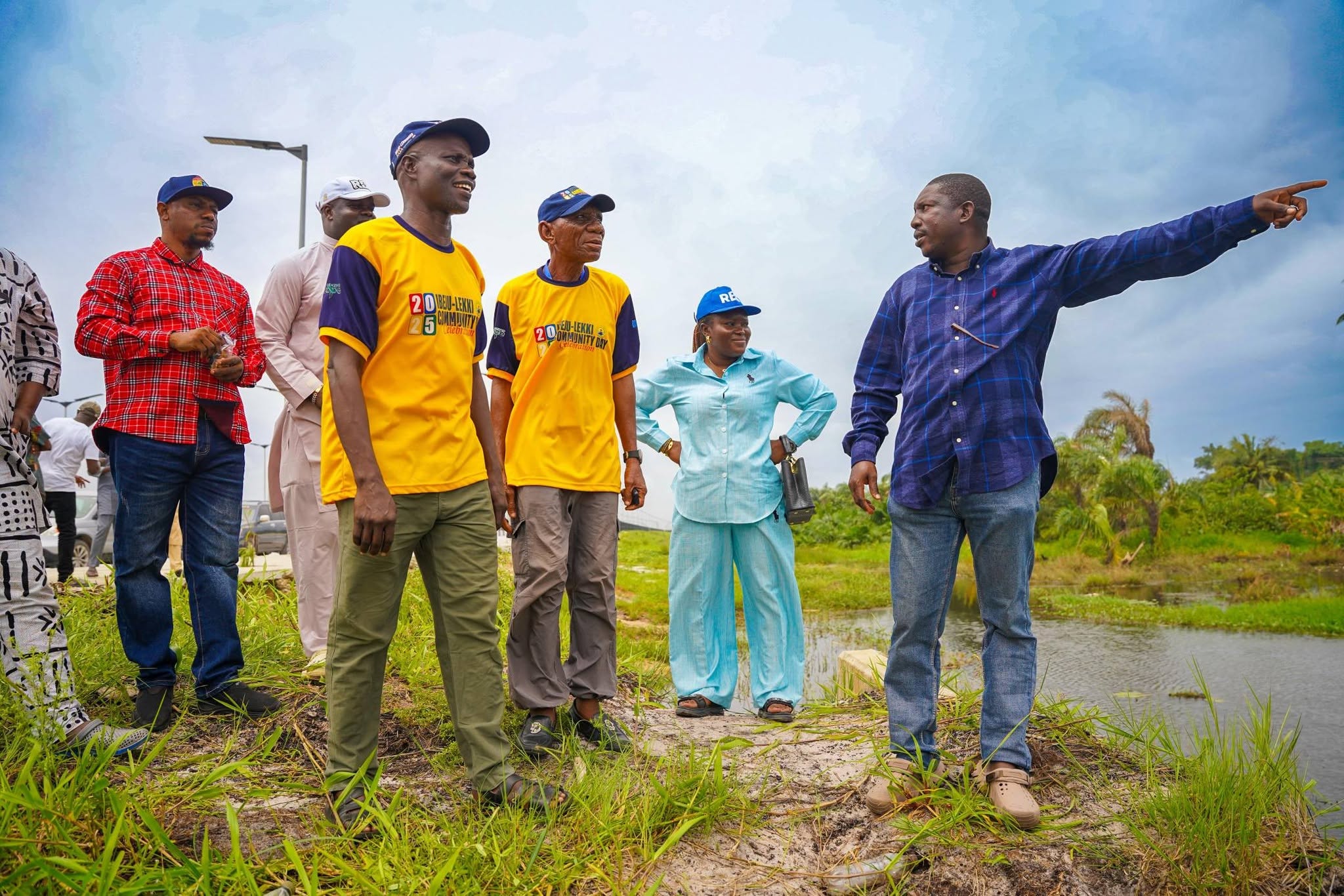
The officials also engaged directly with residents, providing an opportunity for community members to share their experiences and highlight the challenges created by the flooding.
Speaking during the assessment, Engr. Kasali assured residents that his administration remains committed to finding lasting solutions to flooding across the council area.
He said the welfare and safety of residents remain top priorities, stressing that the council will continue to work proactively to reduce the impact of environmental challenges.
According to the chairman, addressing flooding requires collaboration among all stakeholders, including government agencies, traditional institutions, community leaders and technical experts.
He noted that sustainable flood management depends on effective planning, improved infrastructure and responsible environmental practices.
Kasali explained that the assessment exercise would help identify communities requiring urgent intervention while supporting the development of long-term flood control measures.
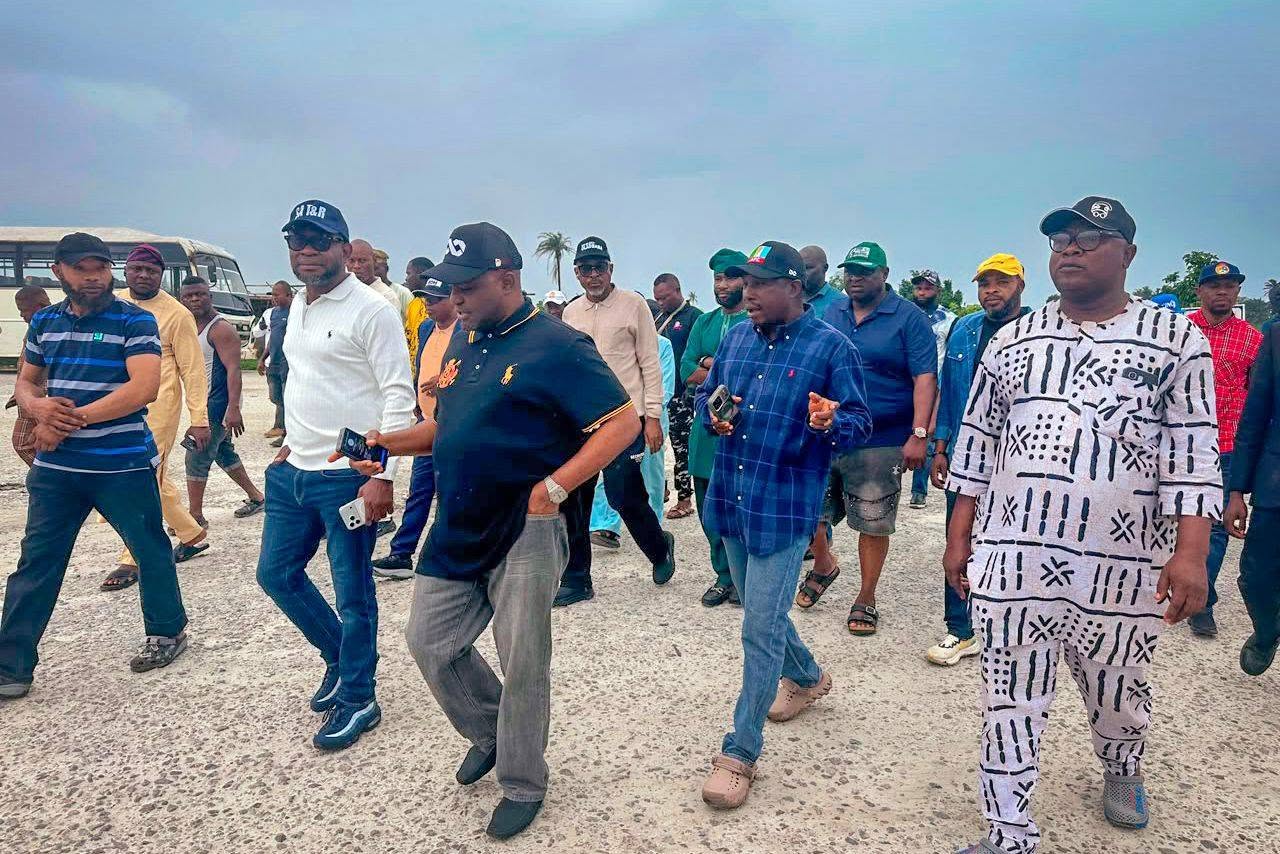
He added that the findings from the inspection would guide future decisions aimed at improving drainage infrastructure and strengthening environmental resilience.
The chairman emphasized that the council is committed to implementing practical flood mitigation initiatives that protect lives, property and economic activities.
He further stated that collaboration with relevant state agencies will remain essential in delivering sustainable environmental solutions.
According to him, regular engagement with residents allows government to better understand local challenges and develop policies that respond to the needs of affected communities.
Kasali encouraged residents to continue supporting environmental sanitation initiatives and maintain proper waste disposal practices to reduce the blockage of drainage channels.
He also appealed for continued cooperation from community leaders in promoting environmental awareness and protecting public infrastructure.
The chairman noted that preventing flooding requires a shared responsibility between government and residents.
Members of the delegation reaffirmed their commitment to working together in addressing environmental concerns affecting communities within Lekki LCDA.
They expressed confidence that stronger collaboration between federal, state and local government institutions would accelerate the implementation of effective flood management projects.
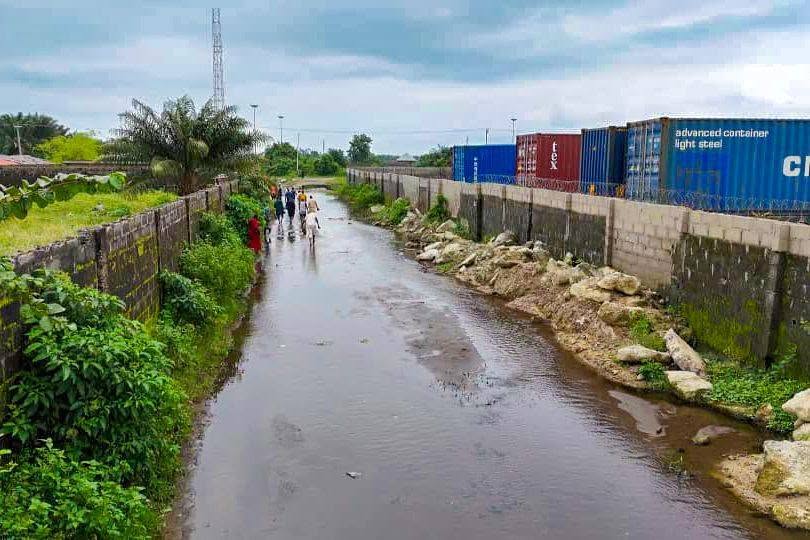
Community leaders welcomed the visit, describing it as an important opportunity to present their concerns directly to government officials.
Residents appreciated the engagement and expressed optimism that the assessment would result in timely interventions and lasting solutions.
The inspection also enabled officials to identify priority areas requiring immediate attention while gathering information needed for future planning.
Stakeholders agreed that coordinated action remains essential to reducing flood risks and improving resilience across vulnerable communities.
The assessment further reinforced the importance of investing in modern drainage systems, environmental management and sustainable urban planning to support the area’s rapid growth.
As Lekki continues to experience significant residential and commercial expansion, the council reaffirmed its commitment to working with all relevant stakeholders to implement practical solutions that safeguard lives, protect infrastructure and build more resilient communities for the future.