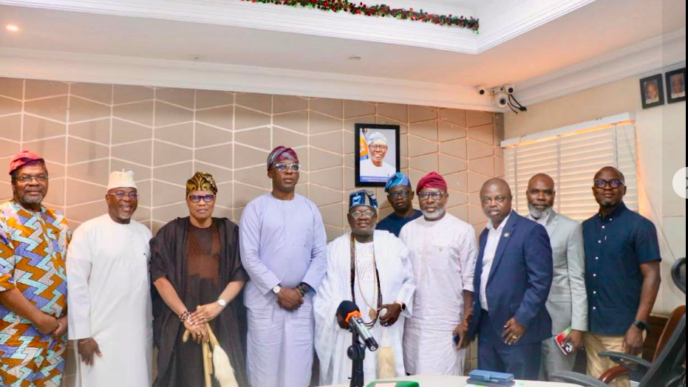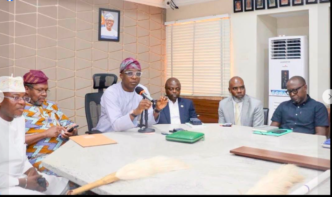
The Lagos State Government has secured the support of traditional rulers and community leaders in Owu Ikosi and Agbowa Ikosi for the commencement of work on a proposed Material Recovery Facility (MRF) in Agbowa, Epe Division.
Epe Insights reports that the agreement followed an engagement between the state government and stakeholders from the two communities to address concerns and build broad-based acceptance for the project.
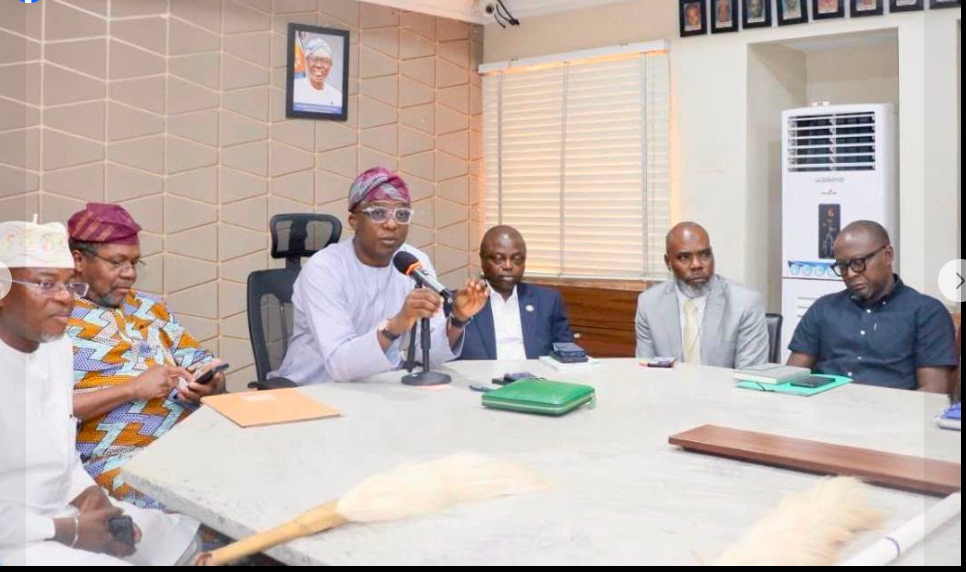
The meeting was led by the Commissioner for the Environment and Water Resources, Mr. Tokunbo Wahab, who stressed the importance of community ownership.
Wahab said the government was committed to ensuring that the communities understand the project and are adequately involved before construction begins.
He described the proposed MRF as a major development initiative rather than simply a waste recovery facility.
According to him, the state government has been deliberate in distributing critical infrastructure and development projects across Lagos.
The commissioner explained that the engagement was organised to resolve outstanding issues and ensure that all stakeholders were carried along.
He noted that sustainable waste management infrastructure could only achieve its full potential when host communities understand and support such projects.
Wahab urged the traditional institutions and community representatives to work with the government to create a mutually beneficial arrangement.
He assured stakeholders that neither community would be favoured at the expense of the other.
The commissioner said the objective was to promote development while respecting the interests of both Owu Ikosi and Agbowa Ikosi communities.
The traditional rulers also expressed their willingness to support the immediate commencement of work on the project.
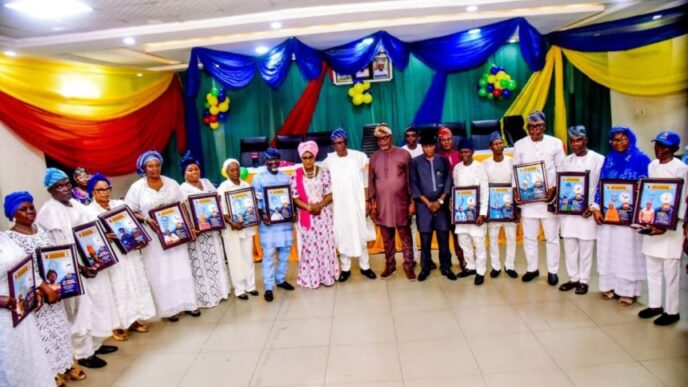
The Abowa of Agbowa Ikosi and the Olowu of Owu Ikosi gave their commitment on behalf of their respective communities.
Their position was seen as an important step toward resolving previous concerns surrounding the proposed facility.
Wahab commended the traditional rulers for prioritising the broader development interests of the area.
He acknowledged their role in helping to address the concerns raised by the communities.
The commissioner said the willingness of the traditional institutions to consider the bigger picture would contribute to the successful implementation of the project.
He further assured stakeholders that concerns raised during the engagement would receive proper consideration.
Wahab stressed that the state government would not seek to impose the project without carrying affected communities along.
He said the agreed positions from the meeting would be formally documented and communicated to all relevant stakeholders.
This, he explained, would provide a clear framework for subsequent actions and responsibilities.
The commissioner also highlighted the need for continuous cooperation among government agencies, traditional institutions and community representatives.
He said relevant government bodies would continue to collaborate throughout the implementation process.
Among the agencies involved are the Ministry of the Environment and Water Resources, the Lagos State Waste Management Authority (LAWMA), the Ministry of Physical Planning and Urban Development and the Lands Bureau.
Consultants and other relevant stakeholders are also expected to contribute to the successful delivery of the facility.
The Permanent Secretary, Lands Bureau, Mr. Kamar Olowoshago, commended the traditional rulers, chiefs and community leaders for their constructive participation.
Olowoshago expressed satisfaction that the engagement had cleared the way for work to commence at the Agbowa location.
He noted that construction had already commenced at another Material Recovery Facility location in Erekiti, Badagry.
According to him, the progress at Agbowa would complement the state’s broader environmental infrastructure programme.
The Permanent Secretary, Office of Environmental Services, Dr. Gaji Omobolaji, explained the environmental importance of the proposed facility.
He said the MRF would strengthen waste recovery, recycling and resource utilisation across Lagos.
Omobolaji noted that the facility would also support efforts to reduce the amount of waste eventually transported to landfills.
The proposed infrastructure is therefore expected to contribute to more sustainable waste management within the state.
The facility could also improve the recovery of materials that would otherwise be discarded as waste.
The state government said the project forms part of its broader efforts to develop sustainable environmental solutions.
Governor Babajide Olusola Sanwo-Olu’s administration, according to the officials, remains committed to improving waste management infrastructure across Lagos.
The government also emphasised that communities hosting major environmental projects should remain active partners in their implementation.
The engagement at Agbowa demonstrated the importance of consultation between government and traditional institutions before major infrastructure projects are undertaken.
By securing community support, the state government is seeking to create a smoother path for the commencement of construction.
The agreement also provides an opportunity for the two communities to participate in discussions surrounding the development.
Wahab reiterated that the government would continue to engage stakeholders as the project progresses.
He said the success of the Material Recovery Facility would depend on cooperation among all parties involved.
The commissioner maintained that the project should ultimately contribute to environmental improvement and wider development in the area.
With the concerns raised by stakeholders receiving attention, the government now has a clearer framework for moving forward.
The commitment from the traditional institutions has also strengthened the prospects of commencing work at the Agbowa site.
The development is expected to further expand Lagos State’s capacity for waste recovery and recycling.
It also reinforces the government’s focus on reducing pressure on existing landfill facilities.
For residents of Agbowa and Owu Ikosi, the project represents another major infrastructure development within Epe Division.
The state government said it would continue to balance environmental objectives with the interests of host communities.
Stakeholders are now expected to work together to ensure that the proposed Material Recovery Facility is successfully delivered.
The Agbowa project is consequently positioned as part of Lagos State’s broader strategy for sustainable waste management and grassroots development.