Lagos State Deputy Governor, Dr. Kadri Obafemi Hamzat, has announced plans by the state government to deploy 220 newly acquired compactor trucks to strengthen waste evacuation and improve environmental cleanliness across Lagos.
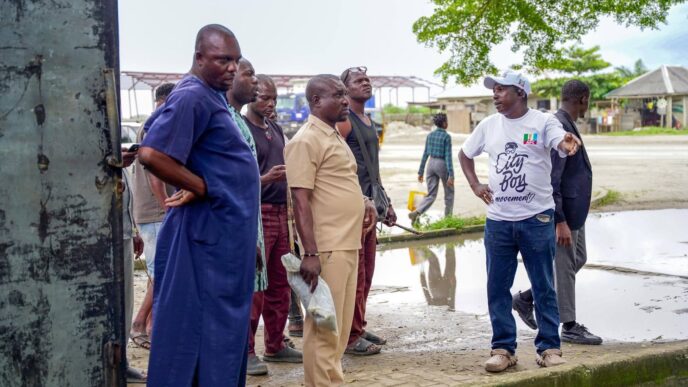
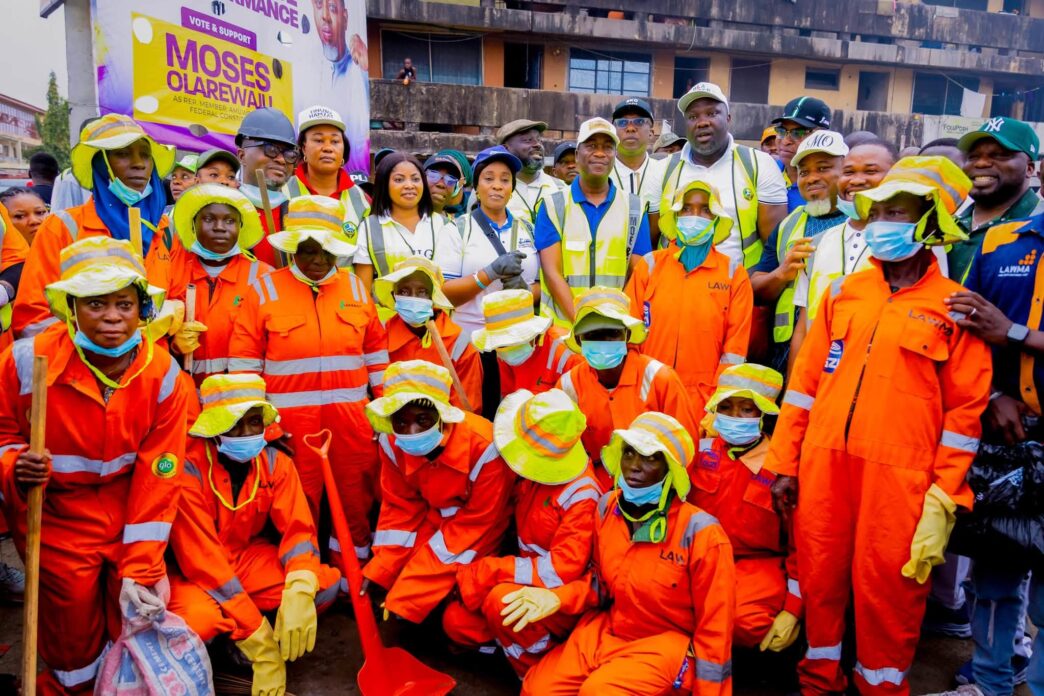
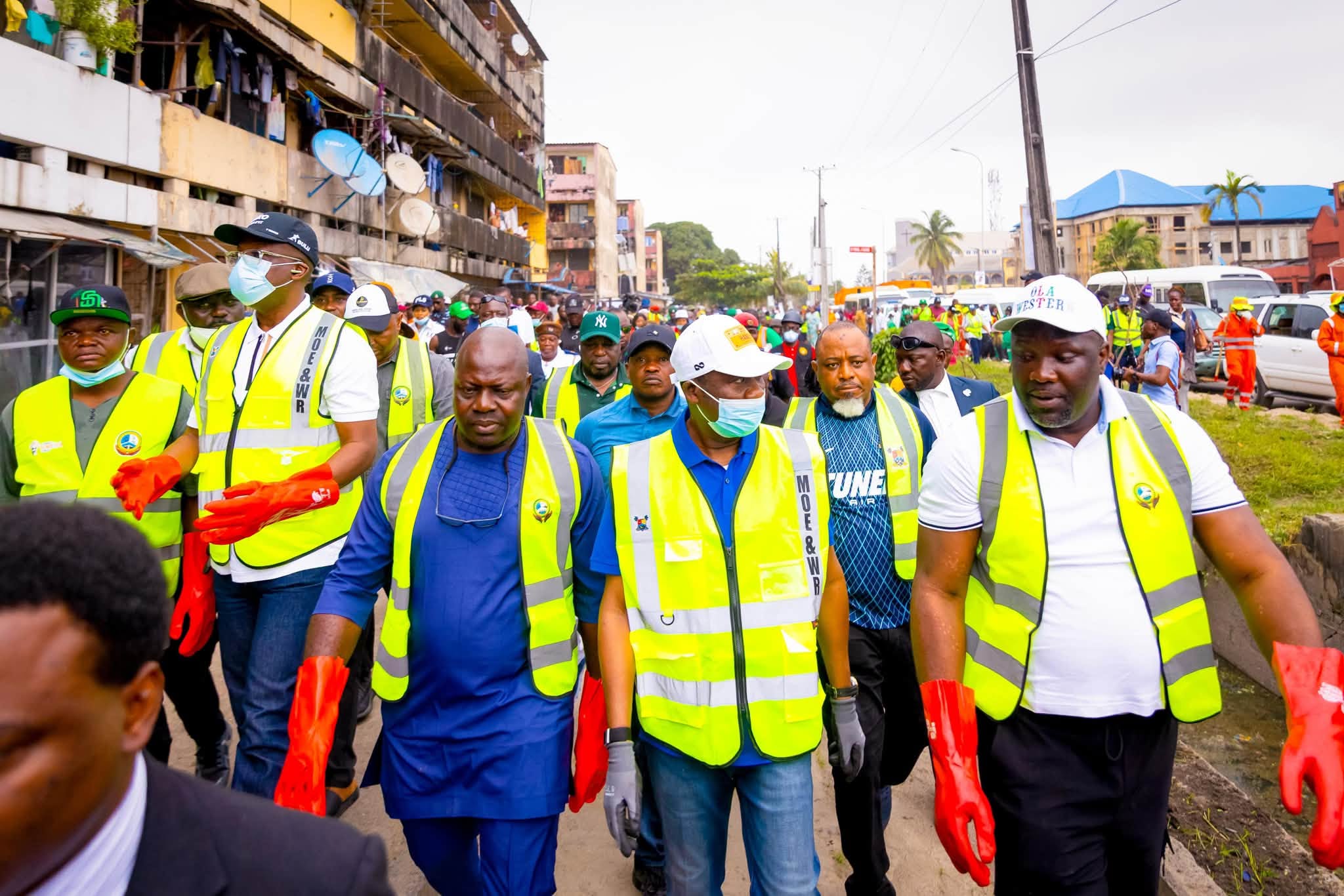
Epe Insights reports that Hamzat made the announcement during the monthly environmental sanitation exercise in Festac, Amuwo-Odofin, on Saturday, where he addressed the growing volume of waste generated across the state.
The deputy governor attributed part of the increase in daily waste generation to the continuous influx of people into Lagos.
According to him, the growing population has increased the amount of waste produced in different communities, creating additional pressure on the state’s waste management system.
Hamzat said the additional trucks would complement the existing operations of Private Sector Participation (PSP) operators.
“The state government will be bringing in another 220 trucks to make sure that we supplement our PSP,” he said.
The new vehicles are expected to improve the capacity of the state to evacuate waste from communities where existing arrangements may not be sufficient to meet demand.
Hamzat said the government was responding to the changing waste management needs of Lagos by increasing the number of vehicles available for refuse evacuation.
He explained that the additional trucks would help strengthen the overall waste collection and evacuation network.
The deputy governor also urged Lagos residents to patronise accredited PSP operators for the disposal of household waste.
He specifically advised residents against patronising unregulated cart pushers.
According to Hamzat, cart pushers may operate outside the state’s regulated waste management system, making it difficult to determine where collected waste is eventually disposed of.

“What we need our people to also do is to make sure that they patronise their PSP, not the cart pushers,” he said.
He stressed that proper waste disposal is important to preventing refuse from ending up in unauthorised locations.
For residents across Lagos, the call reinforces the need to use recognised waste collection channels when disposing of household and commercial refuse.
Hamzat also reminded residents that environmental cleanliness should not be treated as an activity reserved for monthly sanitation days.
He urged Lagosians to make cleanliness a regular responsibility within their homes, businesses and communities.
The deputy governor said maintaining a healthy environment was essential to the sustainability and development of any city.
“We cannot be a people without a healthy environment,” Hamzat said.
He emphasised that a clean environment contributes to the overall quality of life and helps create a more sustainable city.
The sanitation exercise in Festac provided an opportunity for government officials and residents to focus attention on environmental cleanliness.
The exercise also reinforced the importance of cooperation between government authorities, waste operators, property owners and residents.
Hamzat noted that different government agencies and institutions have specific responsibilities in managing public spaces and residential areas.
He particularly acknowledged the responsibilities of the Federal Housing Authority in Festac.

However, he stressed that residents and property managers within the area must also comply with Lagos State environmental regulations.
According to him, being located within an area with federal oversight does not remove the responsibility of residents and property managers to maintain acceptable environmental standards.
The deputy governor’s remarks highlight the need for coordinated action among different levels of government.
Such cooperation is important in areas where federal, state and local responsibilities intersect.
The planned deployment of 220 compactor trucks is expected to provide additional support to the state’s existing waste management infrastructure.
The intervention is also expected to help improve the frequency and efficiency of refuse evacuation in communities experiencing increased waste generation.
For communities such as Epe, where population growth and expanding residential activities continue to create greater demand for public services, improved waste management capacity remains important.
Effective waste collection can help communities maintain cleaner streets, markets, residential areas and public spaces.
However, the government’s position is that additional trucks must be complemented by responsible behaviour from residents.
Proper waste disposal, timely payment for recognised waste collection services and avoidance of indiscriminate dumping remain important parts of the process.
Hamzat therefore called for greater public cooperation as the state works to strengthen its environmental management system.
He said residents must understand that government efforts can only succeed when communities participate actively.
The deputy governor also encouraged property managers to ensure that their premises comply with applicable environmental regulations.
He noted that maintaining cleanliness should be considered a shared responsibility involving government and the people.
The planned introduction of additional waste trucks represents another step in the state’s efforts to address the environmental challenges associated with its growing population.
As more people move into Lagos, the demand for effective waste collection and evacuation is expected to remain high.
The state government said it would continue to explore measures capable of improving its capacity to respond to these demands.
Hamzat’s message ultimately combined government intervention with a call for greater public responsibility.
He urged Lagos residents to support accredited waste operators and maintain clean surroundings beyond monthly sanitation exercises.
The deputy governor maintained that a healthy and clean environment remains essential to building a sustainable Lagos.
The planned deployment of 220 compactor trucks is expected to strengthen the state’s waste evacuation efforts while complementing existing PSP operations.