

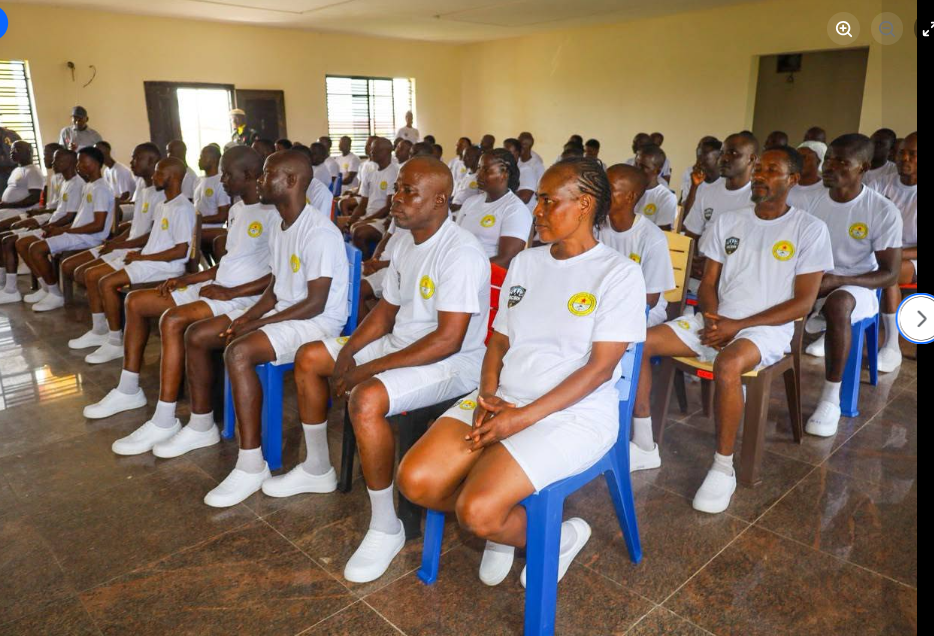
The Ibeju-Lekki Local Government has continued its two-week Security and Intelligence Training Camp, with more than 100 recruits receiving specialised training to strengthen community policing across the council area.
Epe Insights reports that the training camp, which began on August 10 and is scheduled to end on August 24, 2026, is being held at the Ibeju-Lekki Local Government Secretariat, Igando-Oloja.
The recruits were drawn from all seven wards of Ibeju-Lekki Local Government as part of efforts to establish a stronger community-driven security network.
The initiative is being implemented under the administration’s Shield Agenda, with the objective of improving security coordination at the grassroots.
The training is focused on preparing participants to support security efforts within their respective communities.
The local government administration said the programme is intended to provide a stronger foundation for community-based security across Ibeju-Lekki.
Speaking on the initiative, the Executive Chairman, Hon. Abdullahi Sesan Olowa, said his administration was committed to creating a safer and more secure environment for residents.
Olowa assured participants that the local government would provide the necessary support and logistics to ensure the sustainability of the programme.
He described the training as an important step towards strengthening security structures within the seven wards.
The chairman also emphasised the importance of discipline and accountability among the recruits.
According to him, participants would be expected to demonstrate commitment and responsibility when deployed to their respective communities.
Olowa stressed that participation in the programme would come with clear responsibilities.
He also stated that the administration would maintain a performance-based approach to the engagement of the recruits.
The chairman said the recruits would be deployed to their various wards after completing the training.
Their deployment is expected to strengthen community-level engagement and improve communication between residents and relevant security authorities.
The training sessions have included physical drills, marching exercises and classroom lectures.
Participants have also been exposed to obstacle training as part of the activities at the camp.
The exercises are designed to build discipline, coordination, alertness and teamwork among the recruits.
Senior police officers and other security officials have been present at the training camp to supervise and facilitate various sessions.
Their involvement provides participants with practical guidance and professional perspectives on community security.
The ongoing programme also brings together recruits from different communities within Ibeju-Lekki.
The broad representation is expected to help create a security network that reflects the needs of residents across the local government area.
The administration believes that local participation can contribute to improved communication and faster identification of security concerns.
The initiative also highlights the importance of cooperation between residents, community structures and professional security agencies.
Olowa has maintained that effective community policing requires the participation of stakeholders at the grassroots.
The training is therefore aimed at preparing recruits to understand their responsibilities within the communities where they will be deployed.
The local government also expects participants to uphold discipline and accountability throughout their engagement.
The ongoing camp forms part of broader efforts by the administration to improve security and community safety.
With more than 100 recruits participating, the programme represents a significant investment in grassroots security coordination.
The seven wards are expected to benefit from the deployment of trained personnel after the completion of the programme.
The initiative is also expected to strengthen community confidence by creating a more organised structure for local security engagement.
As the training continues, participants are undergoing further drills, lectures and practical exercises.
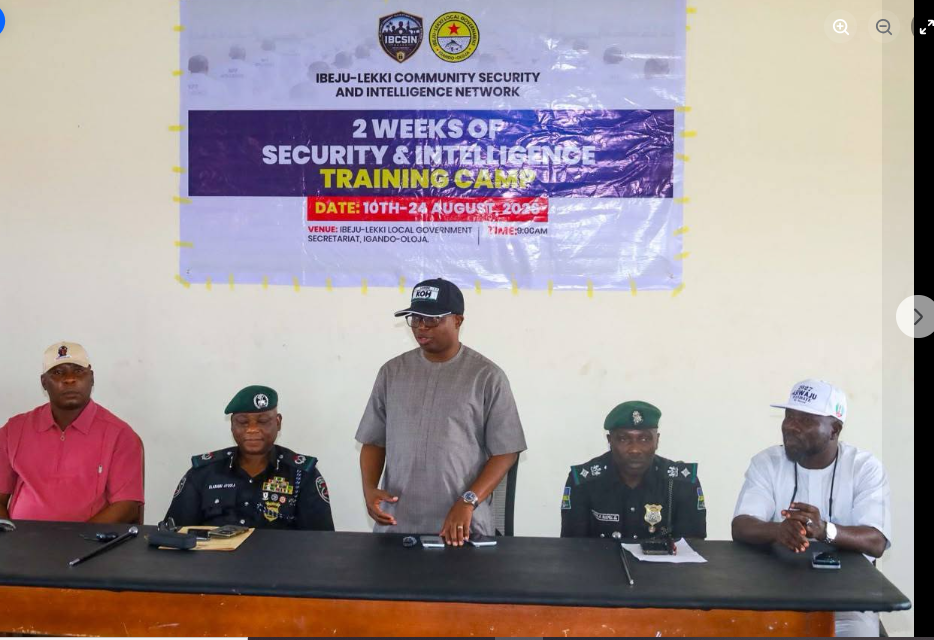
The programme is scheduled to conclude on August 24, after which deployment arrangements are expected to commence.
The administration has reiterated that the success of the initiative will depend on discipline, commitment and cooperation among the participants.
Olowa also stressed that the programme would be supported with the necessary logistics to make it sustainable.
The Shield Agenda continues to place emphasis on community participation as part of efforts to improve security across Ibeju-Lekki.
The ongoing training has therefore become a major component of the local government’s current community security strategy.
Residents across the seven wards are expected to benefit from the strengthened community policing structure when the recruits begin their assignments.
The initiative also provides an opportunity for closer collaboration between trained community personnel and existing security agencies.
As the two-week programme progresses, attention remains focused on preparing the recruits for effective service within their respective communities.
The Ibeju-Lekki Local Government has reaffirmed its commitment to supporting initiatives that promote safety, accountability and community development.