The Executive Chairman of Ibeju-Lekki Local Government, Hon. Abdullahi Sesan Olowa, has commended the Federal Government for advancing major infrastructure projects along the Lagos–Calabar Coastal Highway and other critical transportation corridors in Lagos State.
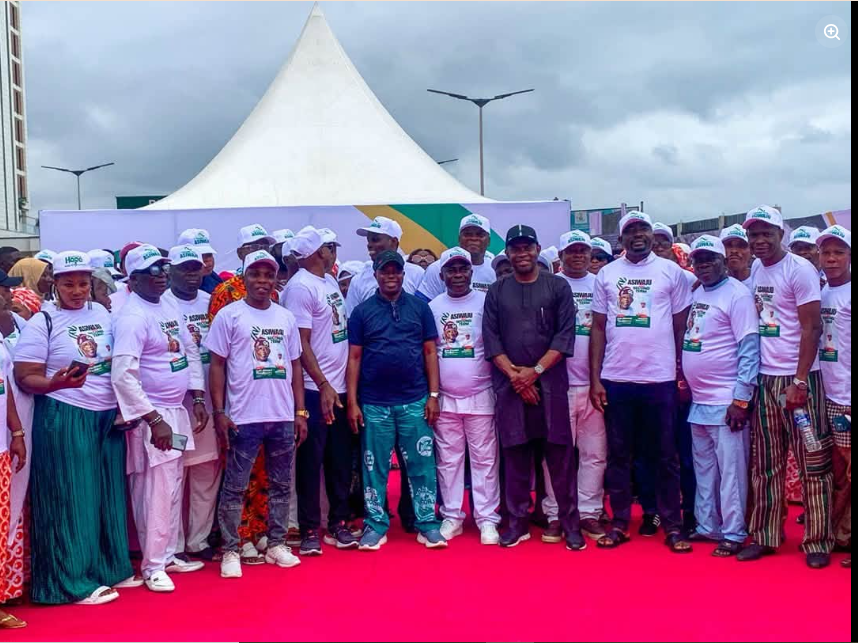
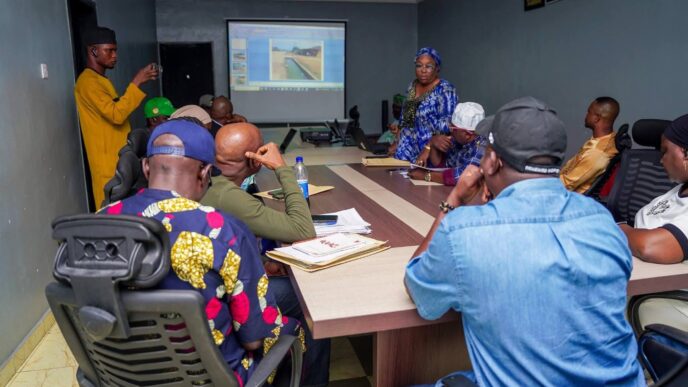
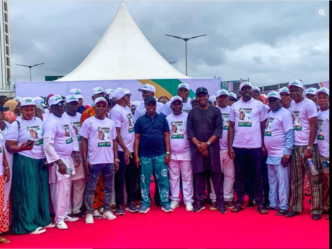
Epe Insights reports that Olowa joined key federal and state stakeholders at an engagement on Section 1, also known as Chainage Zero, of the Lagos–Calabar Coastal Highway, where ongoing and planned infrastructure interventions across the state were highlighted.
The engagement focused on major projects designed to improve transportation, strengthen connectivity and address infrastructure challenges affecting commuters, businesses and communities across Lagos.
Among the interventions highlighted was the commencement of service lanes and secondary drainage systems along the Lagos–Calabar Coastal Highway.
The additional infrastructure is expected to complement the main highway and improve movement within communities located along the coastal corridor.
Olowa also noted the inauguration of Coastal Road Guards as part of measures to support safety and effective management along the strategic highway corridor.
The initiative is expected to contribute to safer road usage while supporting better coordination around one of the country’s most important emerging transportation routes.
Another major intervention highlighted at the engagement was the rehabilitation of the Eko Bridge and Marine Bridge.
The two bridges remain important transportation links within Lagos, carrying significant traffic and supporting daily commercial and economic activities across the metropolis.
The Federal Government also highlighted immediate interventions on flooded sections of the Lagos–Ibadan Expressway.
The intervention is expected to address areas affected by flooding and improve traffic flow along the major interstate highway, particularly during periods of heavy rainfall.
Olowa commended President Bola Ahmed Tinubu for what he described as continued attention to critical infrastructure across Lagos and Nigeria.
According to him, sustained investment in transportation infrastructure is essential to improving connectivity, easing movement and creating an environment capable of supporting economic growth.
The Ibeju-Lekki chairman also expressed appreciation to the Federal Ministry of Works for prioritising major transportation corridors that have significant economic and social importance.
He acknowledged the Lagos State Government for its collaboration with the Federal Government in advancing infrastructure development across the state.
Olowa stressed that effective collaboration between federal, state and local authorities remains important to ensuring that major infrastructure projects deliver meaningful benefits to residents.
For Ibeju-Lekki, the developments surrounding the Lagos–Calabar Coastal Highway are particularly significant.
The local government occupies a strategic position along the coastal highway corridor, which connects communities and areas with growing residential, industrial, commercial and investment activities.
The highway is expected to further strengthen the area’s connection to other parts of Lagos and neighbouring regions when completed.
Ibeju-Lekki has witnessed increasing economic activities in recent years, driven by major investments, expanding businesses and large-scale infrastructure developments.
Improved transportation infrastructure could therefore enhance access to communities, reduce travel difficulties and create better conditions for businesses operating within the local government.
The coastal route also has the potential to support movement between key economic centres while opening up additional opportunities for communities located along its alignment.
Olowa said the ongoing developments hold significant value for Ibeju-Lekki communities, businesses and the wider Lagos economy.
He noted that better roads and transportation networks would support economic activities and improve the overall quality of movement for residents.
The chairman’s comments come as federal and state authorities continue efforts to improve Lagos’ transportation infrastructure amid the state’s growing population and expanding economic activities.
For residents and businesses in Ibeju-Lekki, sustained attention to the Lagos–Calabar Coastal Highway could provide a major boost to connectivity and accessibility.
The development of service lanes, drainage systems and other supporting infrastructure is also expected to improve the resilience of the corridor and address some challenges associated with movement and flooding.
The Lagos–Calabar Coastal Highway remains one of the Federal Government’s major transportation infrastructure projects, with its Lagos section particularly important to the economic future of coastal communities.
With Ibeju-Lekki positioned along the corridor, stakeholders in the local government are expected to continue monitoring developments and advocating for infrastructure that delivers direct benefits to residents.
Olowa’s participation in the stakeholder engagement further highlights the importance of local government involvement in major infrastructure initiatives affecting communities within Ibeju-Lekki.
The chairman reaffirmed his appreciation for the ongoing efforts of the Federal Government, the Federal Ministry of Works and the Lagos State Government.
He expressed optimism that continued collaboration would translate into improved transportation networks, stronger economic opportunities and better living conditions for residents.
The infrastructure interventions, particularly along the Lagos–Calabar Coastal Highway, are expected to remain important to Lagos’ long-term transportation and economic development plans.