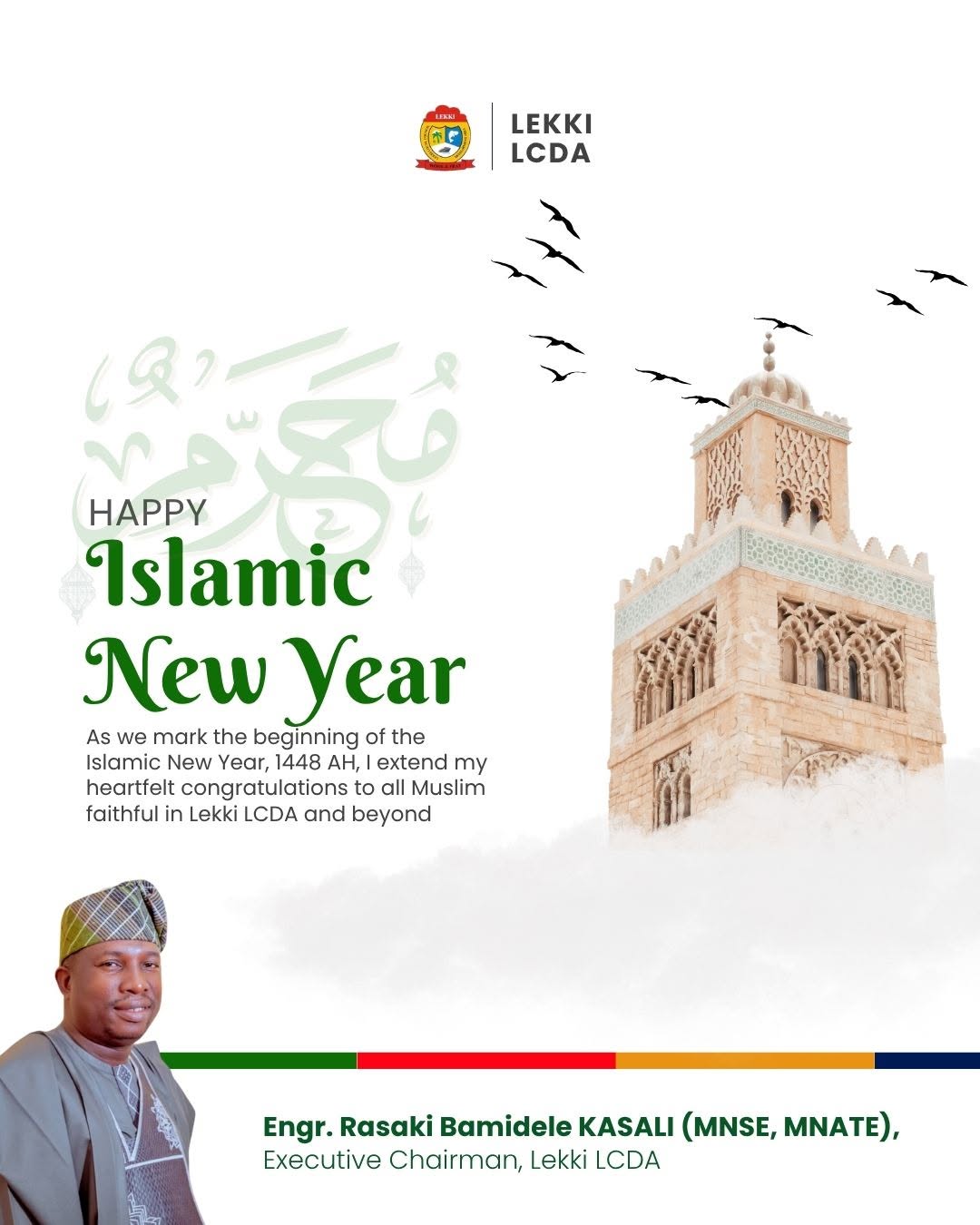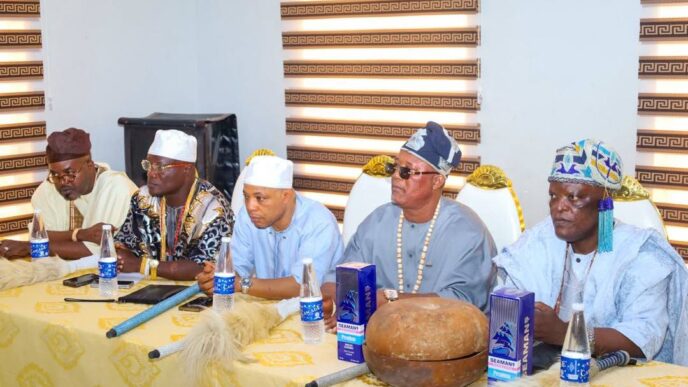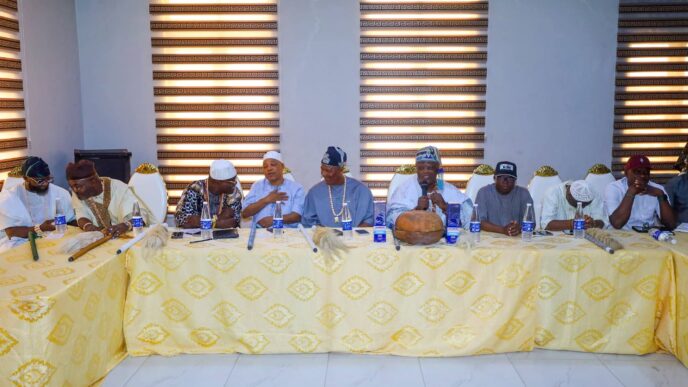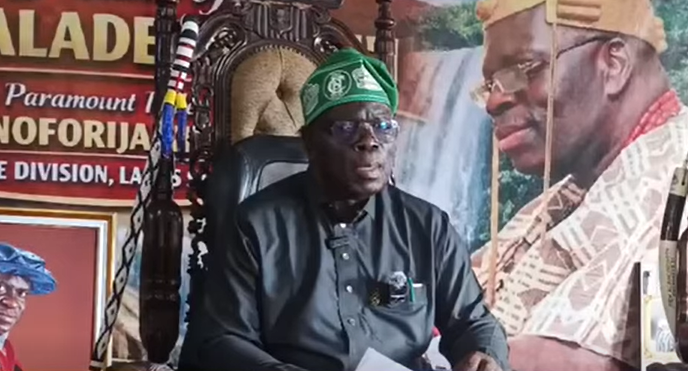
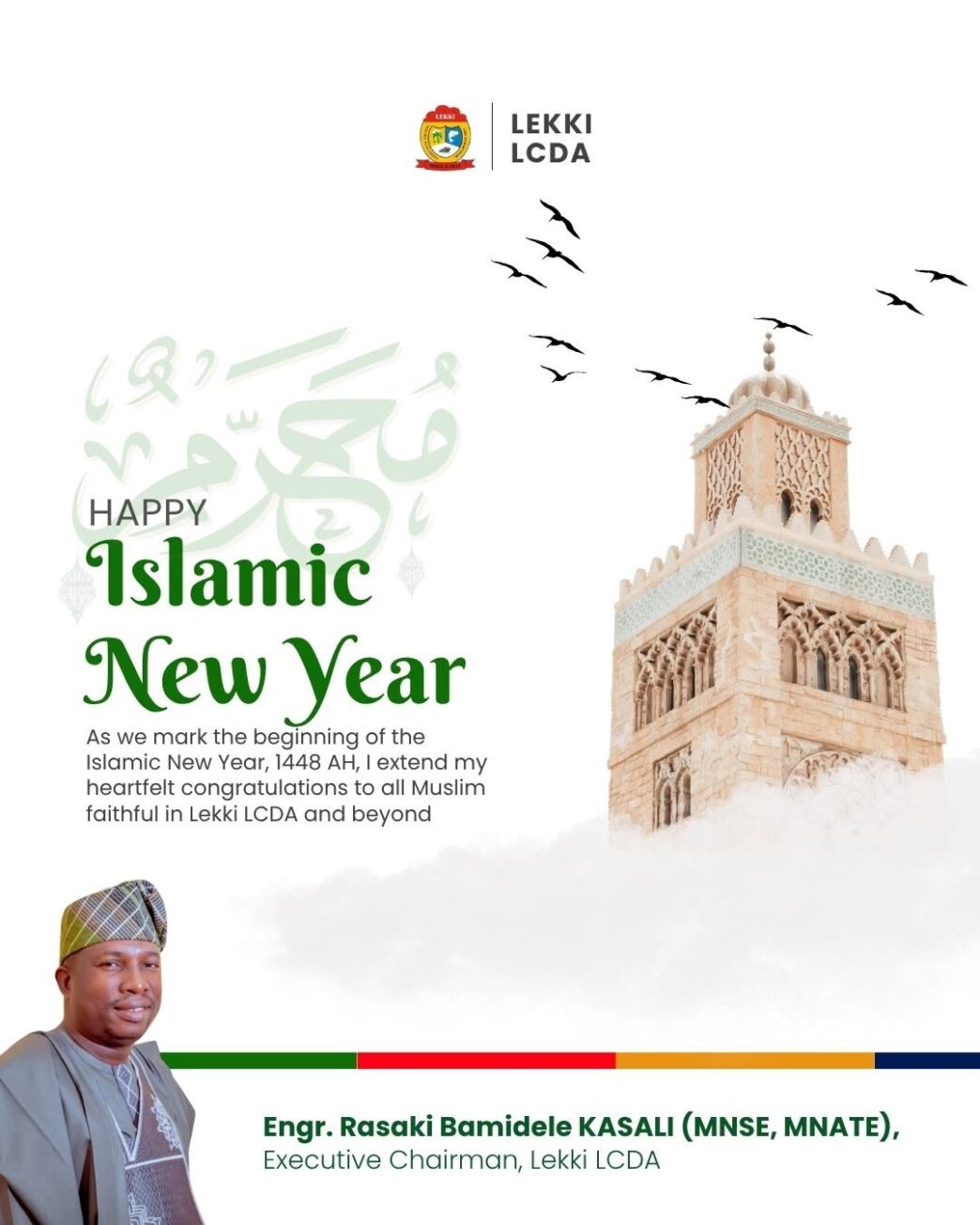
The Executive Chairman of Lekki Local Council Development Area, Engr. Rasaki Bamidele Kasali, has extended heartfelt congratulations to Muslim faithful within the LCDA and beyond as they celebrate the commencement of the Islamic New Year, 1448 AH.
Epe Insights reports that the Chairman described the Islamic New Year as a significant moment of reflection, renewal, and spiritual recommitment rooted in the values of the Hijrah.
He noted that the season offers an opportunity for believers to reflect on faith, sacrifice, perseverance, and devotion in their daily lives.
According to him, the Islamic New Year also reinforces the importance of peace, compassion, and service to humanity across communities.
Engr. Kasali prayed for divine blessings, good health, wisdom, and prosperity for all Muslim faithful in the new year.
He also sought Allah’s guidance in strengthening unity and harmony within communities across Lekki LCDA.
The Chairman expressed hope that the new Islamic year would usher in greater peace, progress, and sustainable development for residents.
He conveyed his goodwill message on behalf of his family and the government of Lekki LCDA to all Muslim brothers and sisters.
Epe Insights notes that the message reflects the administration’s continued commitment to religious harmony and inclusive governance within the council area.
The Chairman encouraged residents to use the period to renew their dedication to positive values that promote peaceful coexistence.
He emphasized that unity among diverse groups remains essential for community growth and stability.
Engr. Kasali further urged residents to remain steadfast in faith while contributing to the collective development of society.
He reaffirmed his administration’s dedication to supporting initiatives that foster peace, progress, and social wellbeing.
The message concluded with prayers for a peaceful and rewarding Islamic New Year for all Muslim faithful.
Lekki LCDA extended warm wishes to residents as they join the global Muslim community in marking the beginning of 1448 AH.