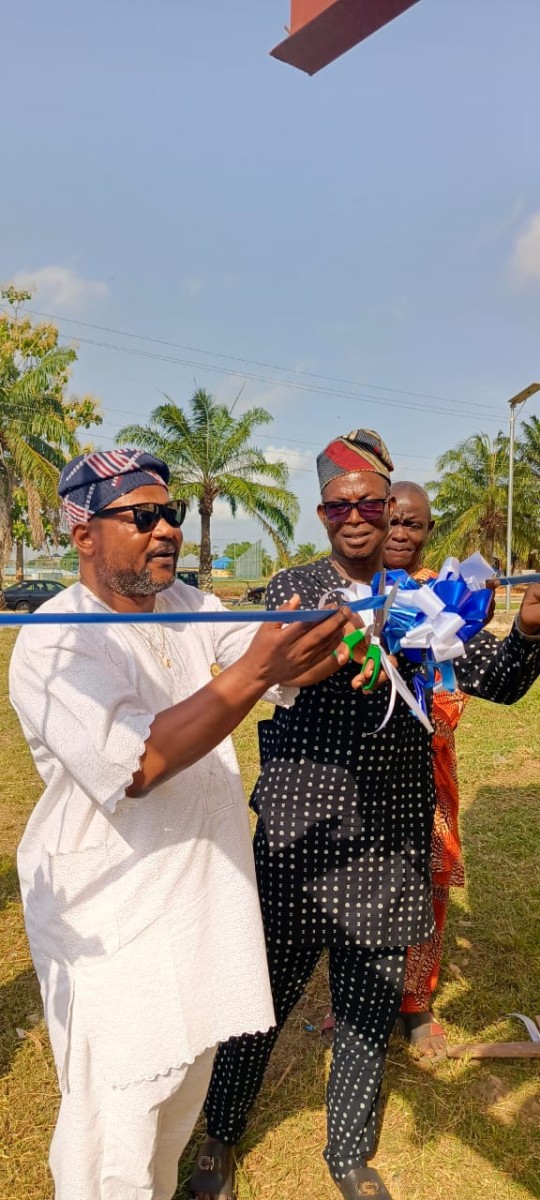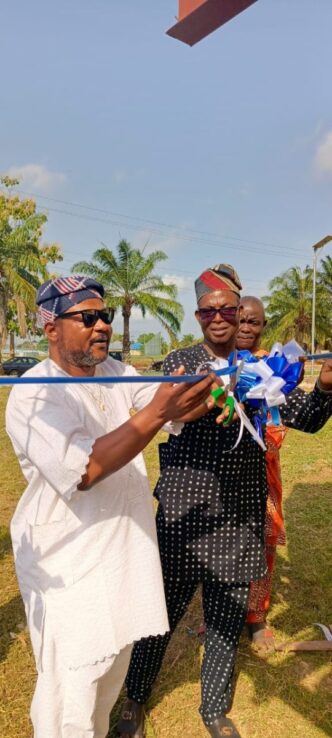
Clean water borehole systems have been commissioned in five boarding public secondary schools across Epe Division and Ajah to improve hygiene, sanitation, and student welfare.
Epe Insights reports that the intervention was carried out by the Tutor-General/Permanent Secretary, District III, Olusegun Osinaike. It formed part of activities marking his retirement from public service and his 60th birthday.
The project reflects a legacy-focused initiative aimed at giving back to the education sector. It also highlights efforts to address long-standing infrastructure needs in public schools.
Beneficiary schools include Epe Junior Grammar School, Epe, and Lagos State Junior Model College, Igbonla-Epe. Others are Lagos State Junior Model College, Badore-Ajah, Lagos State Senior Model College, Agbowa-Epe, and Government Senior College, Ketu-Epe.
All the schools operate boarding facilities that accommodate a large number of students. The new borehole systems are expected to significantly improve access to clean water.
The intervention targets key daily needs such as drinking, cooking, and sanitation. It is also expected to enhance overall student health and living conditions.
Before the project, some of the schools experienced challenges with water supply. This made the new installations a timely and impactful solution.
Speaking at the commissioning, Osinaike emphasized the importance of essential infrastructure in schools. He noted that access to clean water directly affects student health and academic performance.
Stakeholders at the event commended the initiative. They described it as a meaningful contribution to educational development in the region.
The project was also seen as part of Osinaike’s lasting legacy in the education sector. Many praised his commitment to student welfare and institutional improvement.
School representatives expressed appreciation for the intervention. They noted that it would ease daily operations and improve living conditions for students.
The initiative underscores the importance of sustainable investments in education infrastructure. It also highlights the role of leadership in addressing community needs