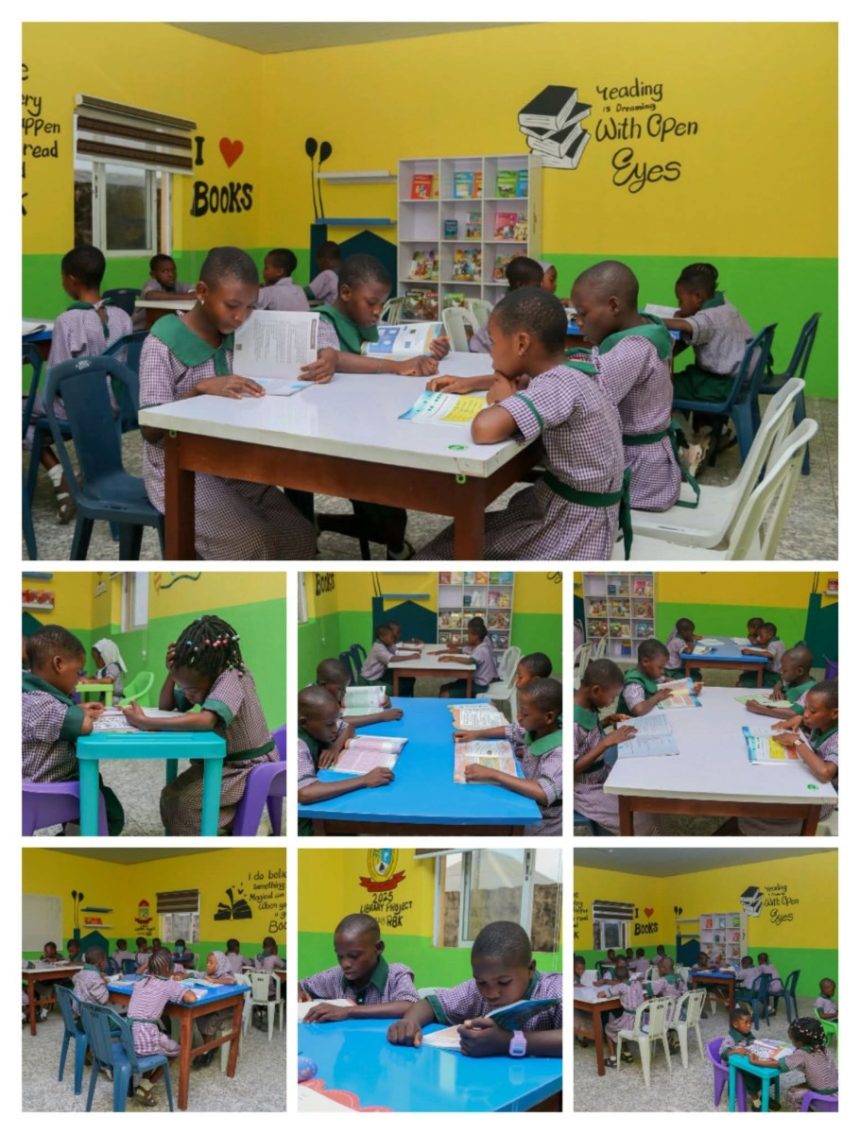
The Lekki Local Council Development Area (LCDA) has approved the establishment of new functional libraries in eight public primary schools as part of renewed efforts to strengthen basic education and promote a strong reading culture among pupils.
Epe Insightsreports that the approval was granted by the Executive Chairman of Lekki LCDA, Engr. Rasaki Bamidele Kasali (MNSE, MNATE) is in line with his administration’s commitment to improving learning infrastructure at the foundational level.
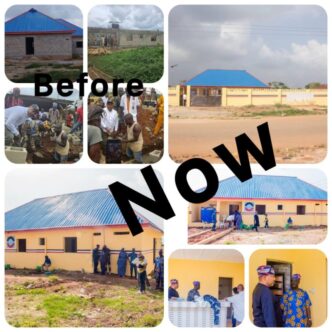
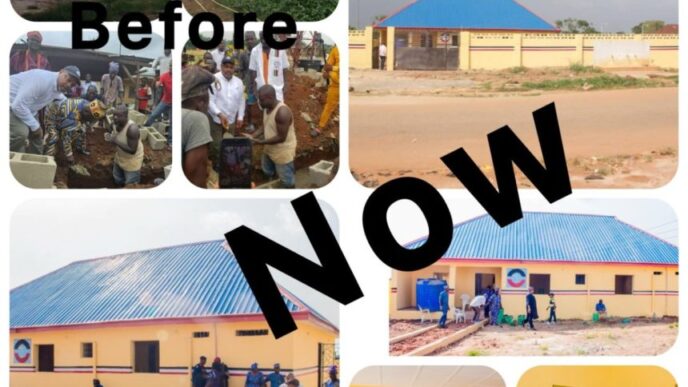
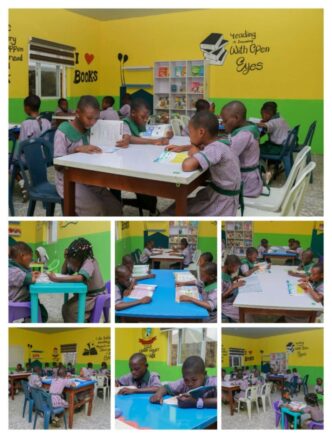
One of the beneficiary schools, LG Primary School, Ilege, has already taken delivery of a fully equipped library space stocked with age-appropriate books and relevant learning materials designed to enhance literacy and creativity among pupils.
The initiative is targeted at improving reading habits, academic performance, and early intellectual development, ensuring that pupils are exposed to quality learning resources from a young age.
With the introduction of the eight new libraries, the number of public primary schools with functional library facilities in Lekki LCDA has increased from four to twelve, representing a significant boost to education infrastructure within the council area.
Speaking on the development, Engr. Kasali stated that the library initiative is part of a broader education support programme aimed at creating an enabling learning environment for children across Lekki LCDA.
He explained that each library is designed to meet the specific learning needs of pupils in the respective schools, with emphasis on usability, relevance, and sustainability.
According to the Chairman, access to books and learning materials remains a critical factor in shaping the academic future of children and equipping them with the skills required for lifelong learning.
He reaffirmed that his administration will continue to prioritise education as a core pillar of development, noting that investments in early education yield long-term social and economic benefits.
Other beneficiary schools under the programme are expected to be unveiled in subsequent phases as the library project continues to expand across the LCDA.