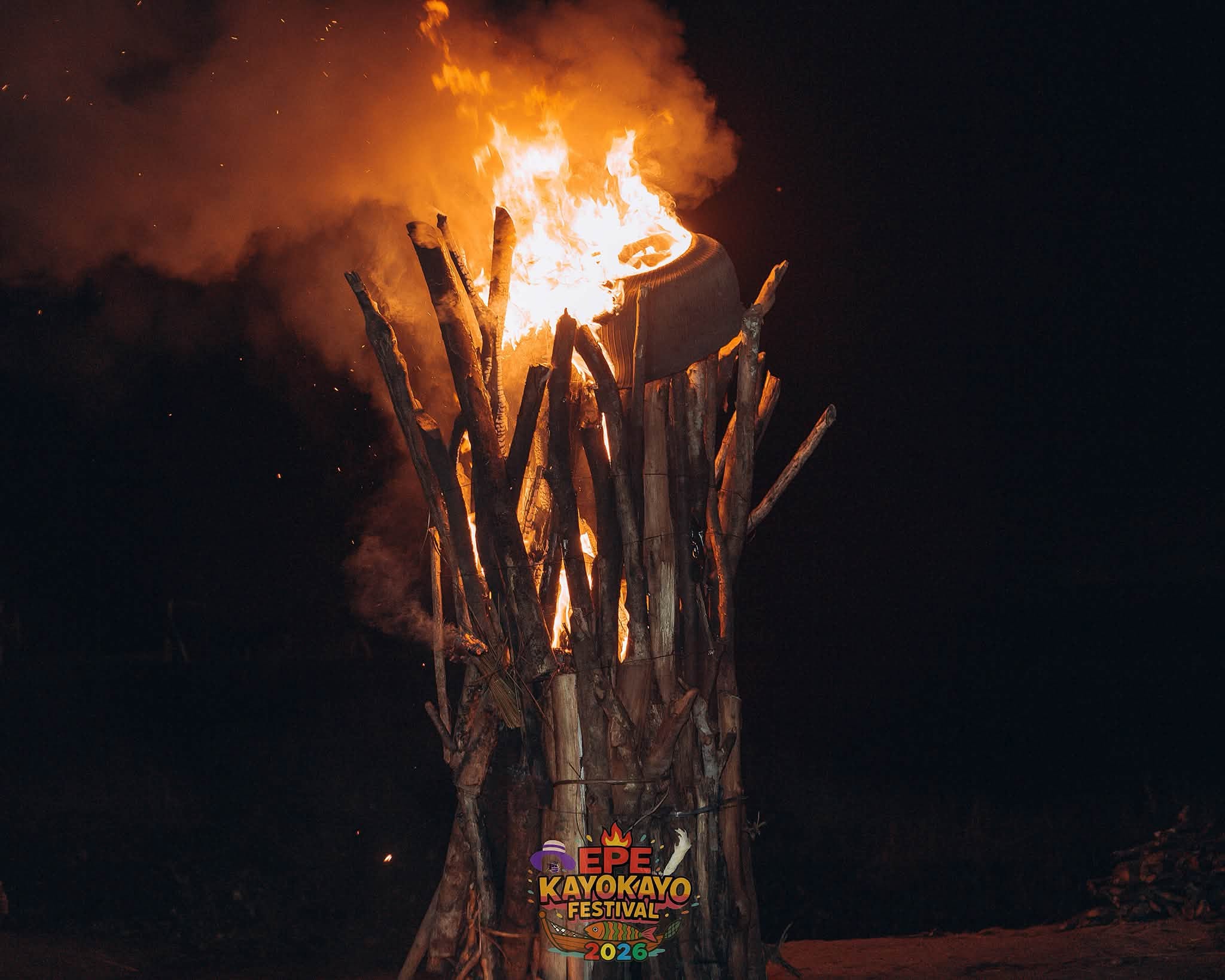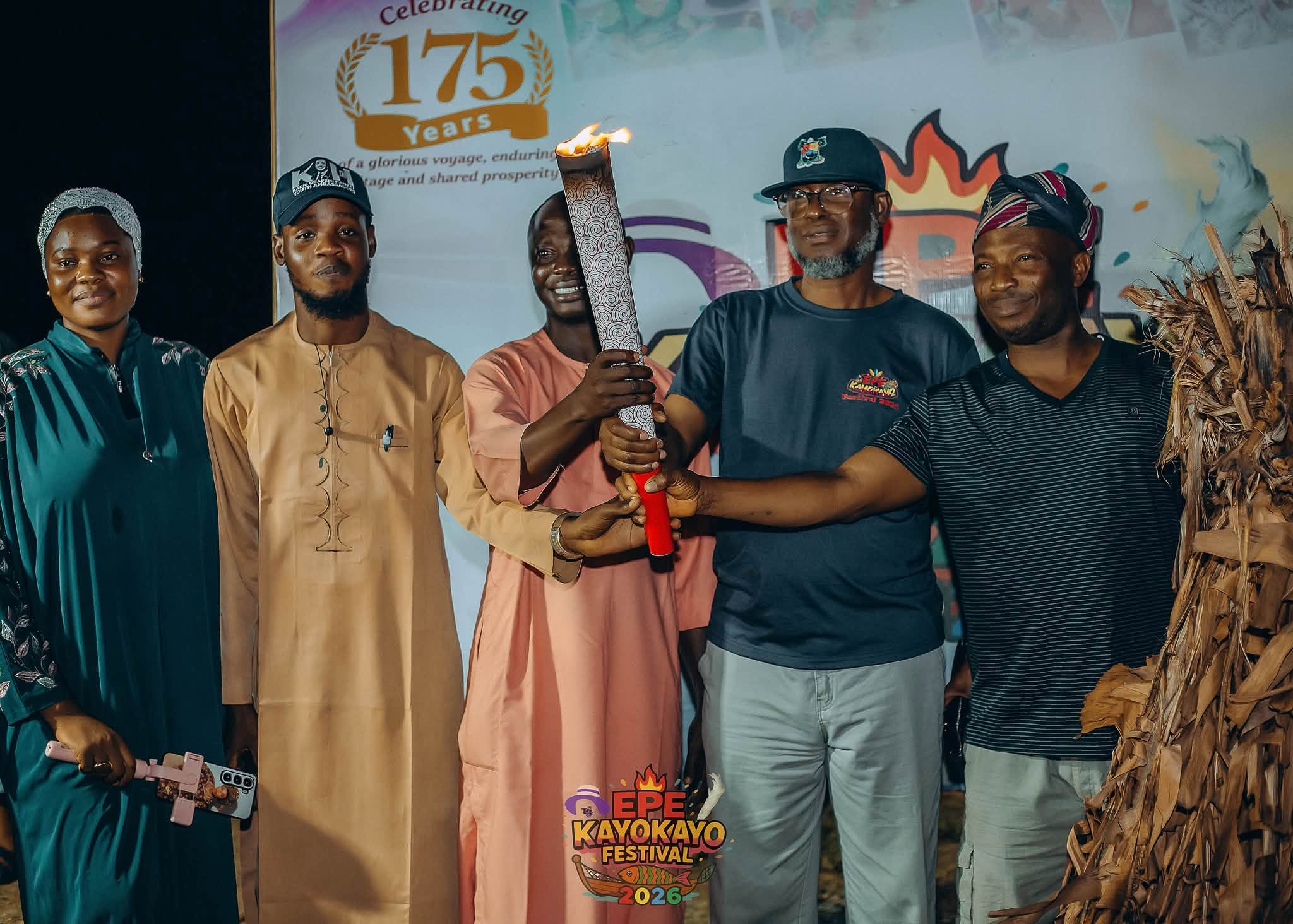

The symbolic Etufu torch has once again lit up the ancient town of Epe, officially heralding the commencement of the 2026 Epe Kayokayo Festival and celebrating a tradition that has endured for more than 175 years.
Epe Insights reports that the historic torch procession remains one of the most anticipated highlights of the annual Kayokayo Festival, drawing residents, visitors, cultural enthusiasts, and descendants of Epe together in a colourful display of history and heritage.
The Etufu torch is deeply connected to the legacy of King Kosoko in Epe in 1851 , whose arrival in Epe more than 175 years ago marked a defining moment in the town’s history. The symbolic flame is believed to have illuminated the path of the monarch and his fearless war generals as they journeyed into the ancient settlement.
Today, the torch continues to serve as a powerful symbol of unity, resilience, and cultural identity. Its annual procession reminds residents of the sacrifices, courage, and leadership that shaped the history of Epe.
As the torch made its way through major streets, residents gathered to witness the centuries-old tradition. Young and old alike lined the procession route, celebrating a cultural practice that has continued to unite generations.
The Etufu procession also offered younger residents an opportunity to learn about the origins of the Kayokayo Festival. Community elders shared stories of King Kosoko’s historic migration and the significance of the torch in preserving the memory of that journey.

The Kayokayo Festival remains one of Lagos State’s most important cultural celebrations. Every year, it attracts indigenes, tourists, traditional leaders, and cultural enthusiasts who return to Epe to honour the town’s rich heritage.
Beyond its historical significance, the festival promotes cultural education and community unity. It provides a platform for showcasing Epe’s traditions while encouraging younger generations to appreciate their ancestry.
The Etufu torch symbolises more than light. It represents hope, continuity, and the enduring connection between the past and the present. For many residents, its journey through the streets signals the beginning of a season of celebration and reflection.
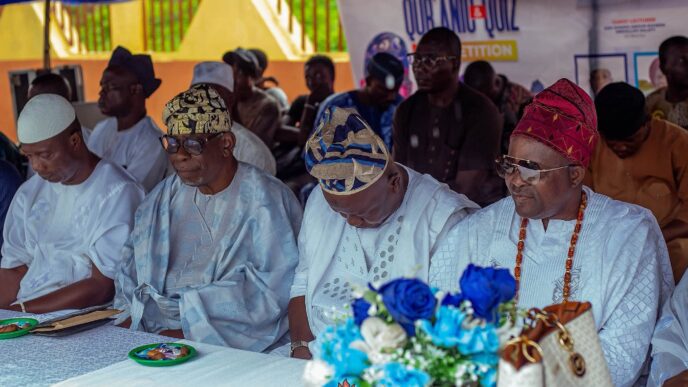
Traditional leaders have consistently described the procession as an essential aspect of preserving Epe’s identity. They believe the ceremony keeps alive the values of courage, honour, and communal harmony passed down through generations.
The annual event also strengthens community participation, as families, cultural groups, and visitors come together to witness one of the oldest surviving traditions in the town.
Observers noted that the procession reflects the resilience of Epe’s cultural heritage despite changing times. The continued observance of the tradition demonstrates the community’s commitment to protecting its history for future generations.
The Kayokayo Festival has evolved into more than a cultural event. It now combines history, religion, education, tourism, and community development, making it one of the most significant annual festivals in Lagos State.
Residents expressed pride in seeing the Etufu torch continue its historic journey through Epe. Many described the procession as a reminder of the values that have sustained the community for generations.
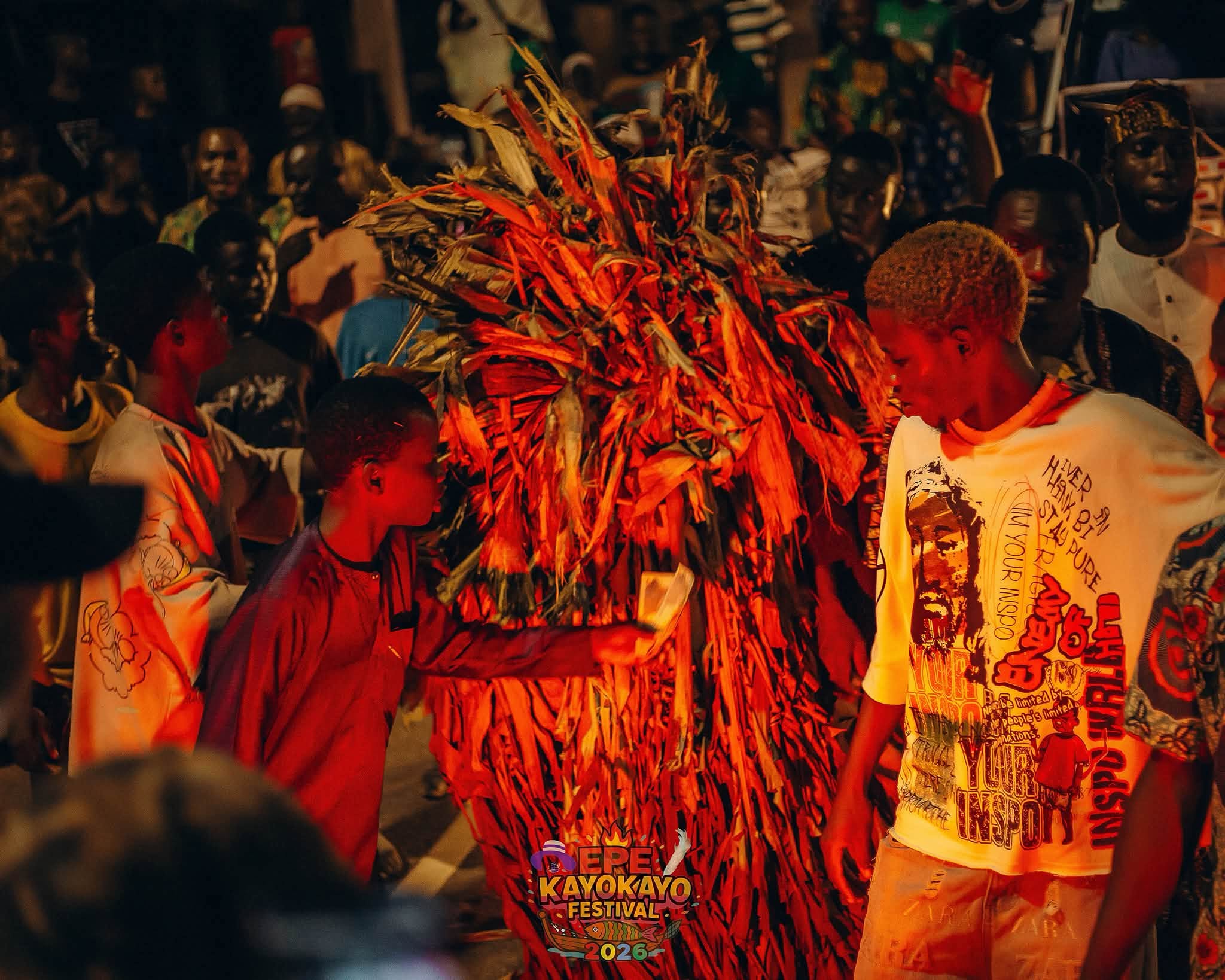
Cultural enthusiasts also commended the organisers for preserving the authenticity of the ceremony while ensuring that younger generations remain actively involved in the celebrations.
As activities for the 2026 Epe Kayokayo Festival continue, the Etufu torch remains a defining symbol of the event. Its timeless flame continues to inspire unity, celebrate heritage, and honour the remarkable legacy of King Kosoko.
For the people of Epe, the procession represents more than a ceremonial tradition. It is a living connection to history and a reminder that the town’s rich cultural identity continues to thrive through the dedication of its people.
The enduring light of the Etufu torch continues to guide the heritage of Epe, preserving the memory of the past while illuminating the future for generations yet to come.