The House of Representatives of Nigeria has ordered an investigation into claims that locally fabricated grinding machines used in food preparation may be contaminating food with heavy metals.
Epe Insights reports that the directive followed a motion moved during plenary by the lawmaker representing Epe Federal Constituency, Wale Raji, who described the issue as urgent and of national importance.
Raji raised the motion under Order 8 Rule 5 of the House rules, urging lawmakers to urgently examine the potential health implications associated with the machines widely used in homes and food processing centres across Nigeria.
According to the lawmaker, the concern stems from findings attributed to the Director-General of the Federal Institute of Industrial Research Oshodi.
The institute’s leadership reportedly warned during a recent workshop that locally fabricated grinding machines may introduce heavy metals into food during processing.
Experts cited in the report linked the contamination to the rising cases of organ failure and cardiovascular diseases recorded in different parts of the country.
Raji noted that the machines are commonly used for grinding food items such as pepper, grains, and other ingredients in households and local markets.
He warned that if the claims are verified, the widespread use of such machines could pose a serious public health risk to millions of Nigerians.
The lawmaker also acknowledged that many political leaders had previously distributed similar grinding machines to constituents as empowerment tools.
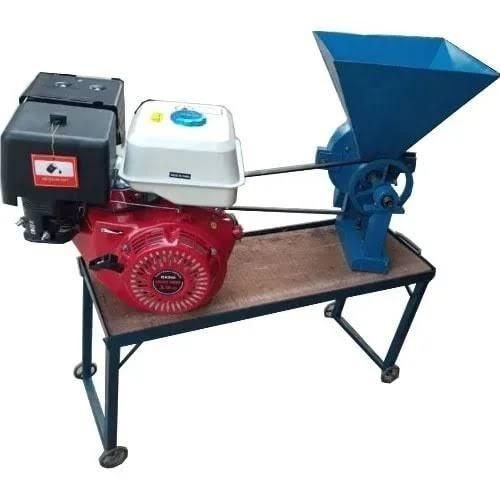
According to him, this reality makes it even more necessary for lawmakers to thoroughly investigate the issue and ensure public safety.
Raji therefore called for a comprehensive inquiry into the design, materials, and manufacturing processes used in producing the machines.
He stressed that such an investigation would help determine whether the machines indeed release harmful metals during food processing.
The motion received support from other lawmakers during the plenary session.
It was seconded by Ibrahim Ayokunle Isiaka and Idem Unyime.
Both lawmakers expressed concern over the potential health implications if the allegations are confirmed.
After deliberations, the motion was put to a voice vote and received overwhelming support from members of the House.
The session was presided over by the Deputy Speaker, Benjamin Kalu.
Kalu declared that the majority of lawmakers supported the motion and directed that the investigation proceed.
Following the resolution, the House mandated four committees to jointly investigate the claims and present their findings.
The committees are expected to examine the safety standards of locally fabricated grinding machines used in food processing.

They are also expected to consult with experts in food safety, engineering, and public health to determine the validity of the claims.
The investigation will also review manufacturing practices and regulatory oversight relating to the production of such machines.
Lawmakers said the probe is necessary to protect public health and ensure that food processing equipment used by Nigerians meets safety standards.
Stakeholders believe the inquiry could lead to improved regulations and better safety guidelines for locally manufactured equipment.
The committees have been given a period of six weeks to conduct the investigation and report their findings to the House.
Their report is expected to include recommendations that could guide government action and policy decisions on the issue.
Observers say the investigation reflects growing concern about food safety and consumer protection in Nigeria.
If confirmed, the findings could trigger reforms in the manufacturing and distribution of locally fabricated food processing machines across the country.